
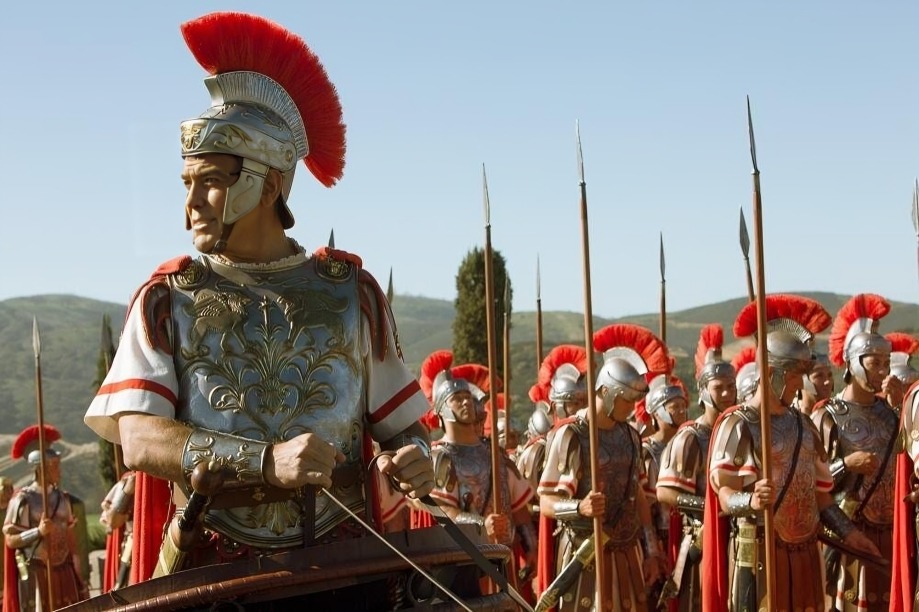
In the vast, disciplined machine that was the Roman military, few units stood out as uniquely loyal, elite, and respected as Julius Caesar’s 10th Legion—the Legio X Equestris. Among all the legions he commanded, it was the 10th that Caesar trusted the most. But why?
What made this particular legion so special, and how did it earn the unwavering confidence of one of history’s most ambitious and strategic minds?
Let’s explore the story of Caesar and the 10th Legion—a relationship built on loyalty, courage, and mutual respect.
The 10th Legion Was Caesar’s First
Julius Caesar founded the 10th Legion around 61 BCE, during his early military campaigns. It was the first legion he ever personally commanded. This made it more than just another military unit—it was his own creation, trained and shaped according to his leadership style and ideals.
From its formation, the 10th was closely tied to Caesar’s rise in power. As he gained fame and victories, so did the legion. Their destinies were linked.
Proven Loyalty Through Brutal Campaigns
The 10th Legion wasn’t just Caesar’s first—it was also his most battle-hardened and reliable. From the Gallic Wars to the Civil War against Pompey, the 10th fought alongside Caesar in some of his most decisive and dangerous battles.
These included:
- The Battle of the Sabis (57 BCE) against the Nervii
- The Siege of Alesia (52 BCE), where they helped defeat Vercingetorix
- The Battle of Pharsalus (48 BCE) during Caesar’s civil war
Time after time, the 10th stood their ground, even when other legions faltered or hesitated. They earned a reputation for unshakable discipline and courage.
A Unique Cavalry Role and Caesar’s Personal Trust
In a famous moment, Caesar had the 10th fight as cavalry—even though they were infantrymen. During his campaign in Gaul, he lacked enough cavalry to scout and maneuver effectively. Instead of recruiting locals, he turned to the 10th.
This act wasn’t just unusual—it was unheard of. Caesar’s decision showed his extreme confidence in the legion’s flexibility, skill, and bravery.
The nickname “Equestris” (meaning “mounted”) was a reward, and a badge of honor that separated them from every other Roman legion.
Mutual Respect and Shared Glory
Unlike many Roman generals who kept a distance from their troops, Caesar was known for marching, fighting, and even suffering alongside his men. This built deep loyalty, especially with the 10th, who had been with him from the start.
Caesar often praised the 10th in his writings, and in return, they idolized him. To them, Caesar was not just a commander—he was a symbol of shared struggle and earned leadership.
The 10th Was the Backbone of His Power
In the later years of Caesar’s career, as tensions rose in Rome, the 10th became more than just a military force—they were his political support. During the Civil War, when he crossed the Rubicon in 49 BCE, he did so with the backing of the 10th. They were the first to follow him into what was essentially treason against the Republic.
That act wasn’t just military loyalty—it was personal allegiance.
Conclusion
Caesar trusted the 10th Legion more than any other because they weren’t just soldiers—they were his first, his fiercest, and his most faithful. Through every victory, setback, and moment of crisis, they had proven their worth. They didn’t just follow orders—they believed in Caesar as much as he believed in them.
In return, Caesar gave them honor, land, praise, and above all, his trust.
The 10th Legion was more than a military unit—it was the embodiment of Caesar’s ambition, power, and legacy.
Would you like this adapted for a classroom setting, turned into a visual timeline, or written in a dramatic narrative style? I’d be happy to help!
