
The rise of Ancient Rome from a small city-state to a dominant superpower is one of history’s most remarkable stories. Rome’s success wasn’t accidental—it was the result of strategic decisions, social organization, military strength, and cultural adaptability. In this article, we explore the key reasons behind Ancient Rome’s transformation into one of the greatest empires the world has ever seen.
Military Strength and Discipline
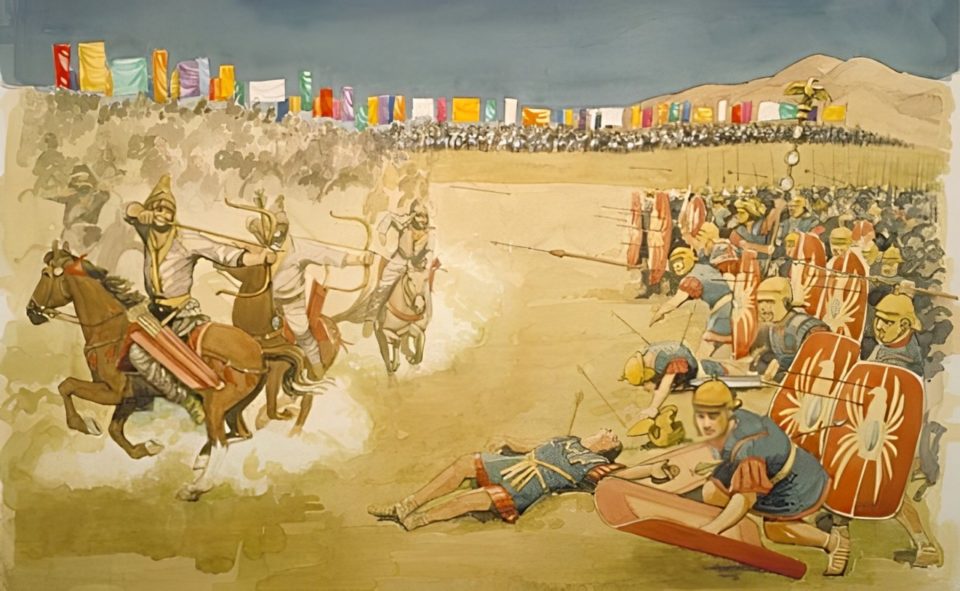
The strength and discipline of the Roman military formed the foundation of the empire’s dominance. Soldiers were trained rigorously, and their strict discipline gave Rome an advantage over less-organized armies. The development of advanced strategies, such as the use of legions, allowed them to outmaneuver and overpower enemies.
Rome’s army wasn’t just strong on the battlefield—it was adaptable, learning from its defeats. Each victory brought new territories, resources, and captives, further boosting the empire’s strength.
Political Organization and Governance
Rome’s government evolved over time to suit the needs of its expanding population. Initially a monarchy, Rome later became a republic before transforming into an empire. The republic’s system of checks and balances, including the Senate and elected magistrates, gave Rome political stability in its early years.
When it transitioned to an empire, Rome’s centralized authority under emperors ensured swift decision-making and control over vast regions. The ability to adapt its political system for changing circumstances allowed Rome to govern efficiently over centuries.
Strategic Alliances and Diplomacy
Rome knew when to use diplomacy instead of force. It often formed alliances with neighboring tribes and offered conquered peoples Roman citizenship or partial rights, which made them loyal subjects. By integrating new groups into their system, the Romans expanded without facing constant rebellion.
Additionally, they made use of divide-and-conquer tactics—playing rival states against each other to weaken them and secure Roman dominance.
Engineering and Infrastructure
One of Rome’s most impressive achievements was its infrastructure. Roads connected the far reaches of the empire, allowing soldiers to move quickly and goods to flow efficiently. Aqueducts supplied cities with fresh water, improving public health and making urban life more sustainable.
These engineering marvels not only symbolized Roman power but also reinforced it, creating a sense of unity across the empire. Citizens and subjects alike benefited from these developments, fostering loyalty to Roman rule.
Cultural Assimilation and Flexibility
Rome absorbed elements of the cultures it conquered, blending them into its own society. Greek philosophy, architecture, and religion were adopted and modified to fit Roman values. This cultural adaptability allowed Rome to unify diverse groups under a shared identity without forcing them to abandon their traditions entirely.
The spread of the Latin language further solidified this cultural unity. Latin became the language of law, governance, and literature, influencing the development of languages in Europe for centuries.
Economic Wealth and Trade
The Roman Empire controlled key trade routes that connected Europe, Africa, and Asia. This control allowed Rome to accumulate immense wealth through trade, taxation, and tribute from conquered territories. With access to resources such as grain from Egypt, metals from Spain, and spices from the East, Rome could support its massive population and army.
Rome’s wealth fueled public works projects and funded its military campaigns, ensuring that the empire continued to expand and maintain control over its territories.
Legal and Social Structures
Rome’s legal system was another pillar of its success. Roman law promote fairness and stability, with principles such as equality before the law becoming a foundation for modern legal systems. These laws ensured that both citizens and non-citizens could expect consistent treatment, fostering loyalty across the empire.
Social structures, including the patron-client system, also contributed to Rome’s cohesion. Wealthy patrons supported lower-class clients in exchange for loyalty, creating a network of mutual dependence that helped maintain social order.
Resilience in Times of Crisis
Rome was not without its challenges—facing invasions, internal revolts, and economic crises. However, its ability to learn from setbacks and adapt to changing circumstances allowed it to persevere. The Romans viewed failure as an opportunity to regroup, rebuild, and return stronger.
This resilience was evident during the Punic Wars against Carthage, where Rome suffered severe losses but ultimately emerged victorious, solidifying its position as a Mediterranean superpower.
Conclusion
Rome’s transformation into a superpower was the result of military prowess, effective governance, cultural integration, and strategic adaptability. Its ability to build alliances, manage resources, and implement advanced infrastructure gave it lasting influence over much of the known world.
Even after the fall of the Western Roman Empire, its legacy continued to shape politics, law, language, and culture for centuries. Rome’s rise to power offers timeless lessons on leadership, adaptability, and the importance of unity—principles that still resonate in modern society.
