
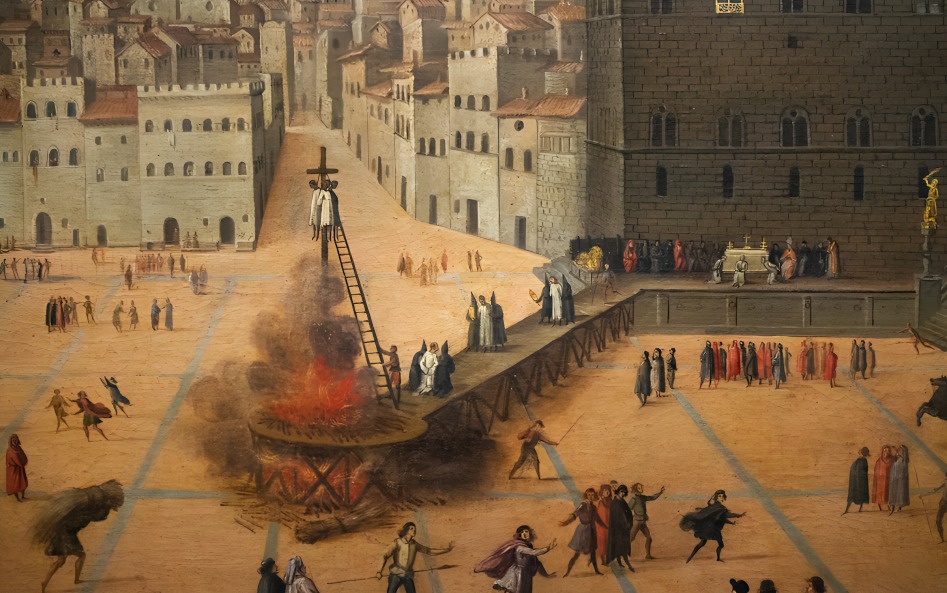
Throughout history, the power of rulers and emperors has often been defined by their ability to control and manipulate their populations. In ancient times, the methods of control were brutal, terrifying, and often involved cruelty, fear, and even divine claims to justify oppression. While we may think of oppression as a modern problem, ancient rulers employed terrifying tactics to keep their subjects in line. Here are seven chilling ways they did it.
The Divine Right of Kings
One of the most terrifying ways ancient rulers maintained control was by claiming divine approval or godly sanction for their rule. Monarchs and emperors often told their people that their authority came directly from the gods, making any form of rebellion not just treasonous, but blasphemous. For example, in Ancient Egypt, Pharaohs were considered gods on Earth. To question a Pharaoh’s rule was not only a political act but also a religious violation, which could lead to severe punishment or even death. The divine right gave rulers an unassailable position of power, with no earthly authority able to challenge their decisions.
Mass Executions as a Tool of Fear
Many ancient rulers wielded the power of death with shocking efficiency to maintain order and suppress dissent. The Roman Empire, under emperors like Nero and Caligula, was infamous for its use of public executions to deter rebellion or unrest. These executions weren’t just isolated events—they were public spectacles, often staged in arenas where the emperor or his officers could watch the suffering. The brutal nature of these executions instilled fear across the empire, making the people too terrified to challenge their rulers. The very thought of a gruesome death kept many from resisting or even questioning authority.
Torture and Psychological Terror
Physical torture was used as a method of breaking those who were seen as threats to the ruler’s power. In ancient Assyria, rulers like Ashurbanipal employed elaborate torture methods to instill terror among their enemies and subjects. The famous Assyrian bas-reliefs depict prisoners being impaled, flayed, or mutilated. These extreme forms of punishment were often done publicly to send a clear message: to defy the king meant suffering unimaginable pain and humiliation. The psychological impact of these torturous acts was just as significant as the physical pain they inflicted, as it created an atmosphere where people feared not just for their lives, but for the fate of their families and communities.
The Creation of Propaganda
In ancient times, rulers understood the power of information—or the lack thereof. Control over information and the spread of propaganda was a key method of keeping populations subdued. In Ancient Rome, emperors like Augustus used monuments, statues, and coins to glorify their reign and create a public image of invincibility. Such propaganda made the emperor appear larger than life, divinely sanctioned, and infallible, further consolidating their power. In many instances, the true state of affairs in the empire was hidden or manipulated to prevent the public from realizing their suffering, allowing rulers to maintain an image of prosperity and benevolence even when their rule was marked by cruelty.
Slavery and Forced Labor
The use of forced labor and slavery was another terrifying method employed by rulers to control their populations. In Ancient Egypt, for instance, the construction of the pyramids relied heavily on a vast workforce of slaves and conscripted laborers. These laborers were subjected to brutal conditions, often working in extreme heat with little food, and they had little to no rights. Rulers justified this exploitation by presenting it as a necessary sacrifice for the glory of the empire or the gods. The fear of being captured and forced into slavery was pervasive, as it represented the worst possible fate for most of the population.
Surveillance and Spying Networks
Rulers in ancient empires understood the importance of keeping their subjects under constant surveillance. The Persian Empire, for example, had an extensive network of spies known as the “King’s Eyes and Ears.” These spies were tasked with monitoring the actions of both commoners and nobles, ensuring that any dissent or rebellion was immediately reported. The fear of being watched by an unseen force created an atmosphere of paranoia and submission. The idea that someone could be listening or watching at any time made the population less likely to express dissatisfaction with the ruler.
Use of Religion to Control Minds and Bodies
Religion played a pivotal role in how ancient rulers maintain power. In Ancient China, for example, the belief in the “Mandate of Heaven” held that the emperor was the divine ruler appointed by the heavens. If an emperor ruled unjustly or poorly, it was believed that the heavens would withdraw their support, and natural disasters would occur. This concept allowed rulers to frame their authority as an essential, cosmic law. By tying their power to religion, rulers ensured that any resistance could be seen not only as a political act of rebellion but as a spiritual transgression, a serious offense that could bring about divine retribution.
Conclusion
The methods used by ancient rulers to control and oppress their people are as chilling as they are effective. From divine claims to brutal executions, the tactics of fear, manipulation, and punishment created systems where any form of rebellion was not only difficult but almost unthinkable. Today, these ancient practices stand as a reminder of the dark side of power and the lengths rulers will go to maintain control. While many of these methods are no longer in use, the stories of these oppressive regimes serve as important lessons in understanding the balance between power and the people.
