
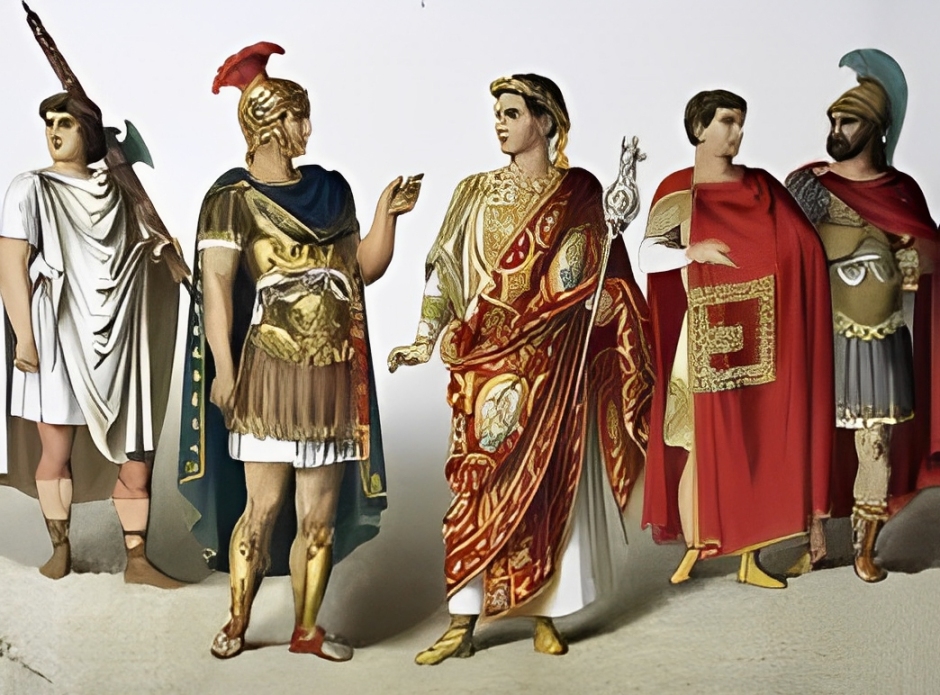
Clothing is such an essential part of modern human life that it’s hard to imagine a time when people lived without it. Yet, for a significant portion of human history, our ancestors roamed the earth completely unclothed, relying only on their natural body hair for protection. So, when did ancient humans start wearing clothes? And more importantly, why did they feel the need to cover their bodies?
The evolution of clothing is a fascinating journey tied to climate change, survival, social evolution, and cultural identity. This article explores the origins of clothing, how early humans created garments, and the deeper reasons behind their transition from naked beings to the fashion-conscious species we are today.
When Did Humans Start Wearing Clothes?
Determining the exact moment when ancient humans began wearing clothes is challenging since fabric and animal hides decompose over time, leaving little direct evidence behind. However, scientists have found an unexpected way to trace the history of clothing: lice.
The Lice Timeline: An Unexpected Clue
Research suggests that body lice—parasites that live in clothing rather than on the skin—evolved from head lice around 170,000 to 200,000 years ago. This indicates that early humans must have started wearing clothes around that time, providing a scientific estimate for the invention of clothing.
Other Evidence Supporting Early Clothing Use
Archaeological Finds: The earliest sewing needles, made from bone, date back to 40,000 years ago, suggesting humans were crafting fitted garments by then.
Cave Art and Figurines: Some prehistoric drawings depict humans wearing animal skins, possibly indicating early clothing use.
Neanderthals and Homo sapiens: Evidence suggests that Neanderthals, who lived in colder climates, wore animal hides as clothing. Early Homo sapiens migrating from Africa to colder regions also needed protection from the cold.
While early clothing likely started around 200,000 years ago, it became more advanced and widespread as humans moved to new environments and developed new technologies.
Why Did Ancient Humans Start Wearing Clothes?
The reasons for adopting clothing were not just about modesty or fashion—those came much later. The primary drivers of early clothing were climate, survival, and practicality.
Protection from Harsh Environments
One of the most obvious reasons for wearing clothes was climate adaptation. As humans migrated from warm African regions to colder areas in Europe and Asia, they needed additional layers to stay warm.
Animal hides and fur provide insulation against freezing temperatures.
Simple woven plant fibers helped protect the skin from the sun and harsh winds.
Foot coverings made from animal skins helped early humans traverse rough terrain.
Defense Against Injuries and Insects
In addition to temperature control, clothing helped protect early humans from insect bites, thorns, and rough landscapes. This was particularly important for hunters and gatherers who spent time in dense forests or near water, where insects could spread diseases.
The Evolution of Modesty and Social Identity
While early clothing was purely practical, over time, it took on social and cultural significance.
In many early societies, clothing began to distinguish different groups based on age, gender, or status.
Modesty likely developed as a secondary function of clothing, especially as human societies formed structured communities with cultural norms.
Decorations such as dyes, beads, and animal teeth were added to garments, marking the beginning of fashion and personal expression.
Symbolism and Religious Beliefs
Clothing eventually became more than just protection—it played a role in rituals and religious practices. Many ancient cultures viewed clothing as a symbol of morality, spirituality, or power.
For example:
Shamans and spiritual leaders wore specific garments to signify their roles.
Some ancient societies associated nakedness with vulnerability and clothing with civilization.
Clothing could convey wealth or divine favor, especially in hierarchical societies.
As civilizations advanced, clothing evolved from a simple necessity into a tool for self-expression, status, and cultural identity.
How Did Ancient People Make Clothes?
The process of making clothes evolved over thousands of years, beginning with animal skins and progressing to woven fabrics.
Early Materials Used for Clothing
Animal Hides and Fur: The first humans likely wrapped themselves in raw animal skins for warmth. Later, they learned to tan and soften the leather, making it more comfortable.
Plant-Based Fibers: Early humans wove grasses, bark, and flax into simple clothing. This was common in warmer regions where fur was unnecessary.
Wool and Linen: Around 10,000 years ago, humans began domesticating animals like sheep, leading to the use of wool for clothing. Linen, made from flax plants, was also one of the earliest fabrics.
The Invention of Sewing and Weaving
40,000 years ago: The first sewing needles appeared, allowing humans to stitch clothing together.
30,000 years ago: Early weaving techniques developed, leading to the creation of more structured garments.
5,000 years ago: Advanced civilizations, such as the Egyptians and Mesopotamians, developed textile production, including silk, linen, and wool clothing.
Over time, clothing evolved from crude animal skins to sophisticated textiles, shaping the diverse clothing traditions we see across cultures today.
Conclusion
The journey from naked beings to clothed societies is a story of adaptation, innovation, and culture. What began as a survival necessity eventually became a powerful tool for identity, status, and self-expression.
Key takeaways from the history of clothing:
Early humans began wearing clothes around 170,000–200,000 years ago, primarily for protection from harsh environments.
Clothing evolved from animal hides to woven textiles, leading to more complex garments.
Over time, clothing became a symbol of status, modesty, and cultural identity, shaping human civilization in profound ways.
Today, fashion has transformed into a multi-billion-dollar industry, but at its core, clothing remains one of the most fundamental aspects of human life—a reminder of our journey from primal existence to modern civilization.
