
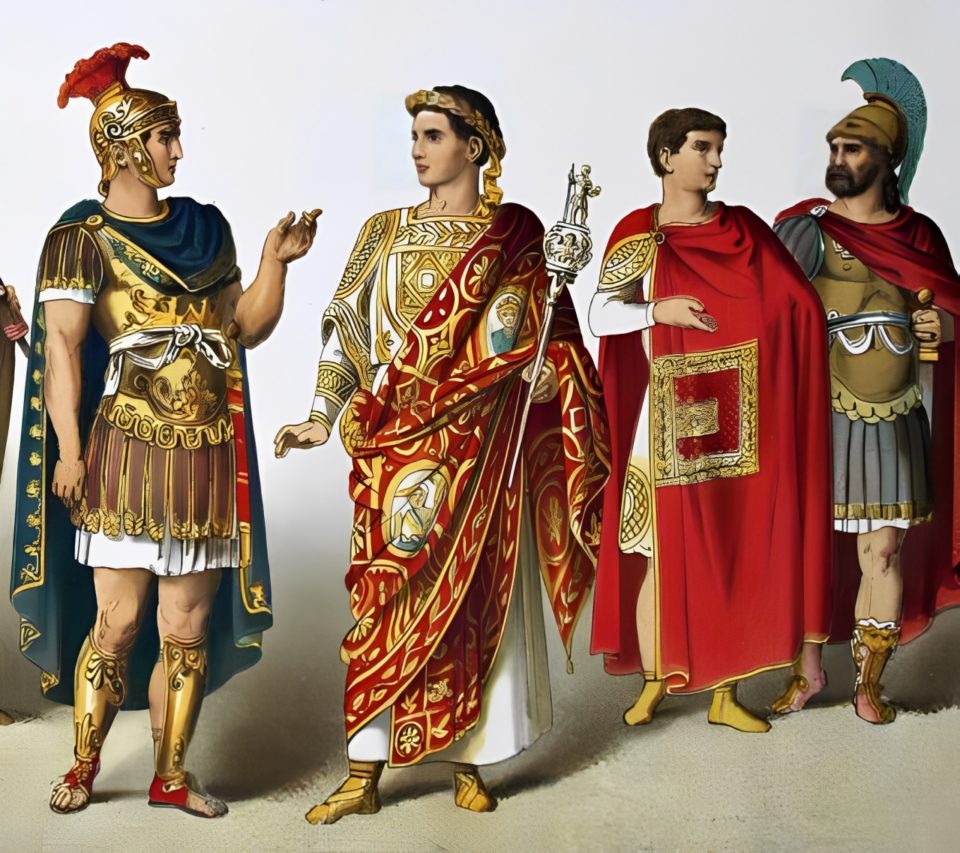
The Roman Empire, known for its vast territories, advanced infrastructure, and cultural achievements, was also a society deeply stratified by economic class. At the heart of its economy was the subsistence level—the minimal amount of resources required for survival. This level varied depending on location, social status, and economic conditions, but for the average Roman, especially the lower classes, daily existence was dictated by the availability and cost of basic necessities. Understanding the Roman subsistence level and how it was spent provides insight into the economic realities of everyday life in ancient Rome.
Defining the Roman Subsistence Level
The subsistence level refers to the minimum income or resources required to sustain life, covering basic needs such as food, shelter, and clothing. In ancient Rome, this was largely dependent on the cost of staple foods, rent, and essential goods. The most detailed estimates of the Roman subsistence level come from economic historians who analyze wages, food prices, and records from sources such as census data, inscriptions, and legal texts.
For the average Roman laborer, the subsistence level was defined by a few key components:
Grain (primarily wheat or barley) – The staple of the Roman diet.
Olive oil – A primary source of fat and a key cooking ingredient.
Wine – A common drink, often diluted with water.
Protein sources – Limited amounts of meat, fish, cheese, and legumes.
Housing – Rent for a small apartment or insulae (multi-story tenements).
Clothing and footwear – Basic tunics and sandals.
Taxes and dues – Obligatory payments to the state or local authorities.
The Cost of Living in Ancient Rome
The Roman economy functioned on a combination of wages, trade, and a sophisticated taxation system. Prices varied depending on region and time period, but some general estimates provide a picture of the cost of living for a typical Roman citizen or laborer.
Food Expenses
A modest daily grain allowance for a working adult (around 800-1,000 grams of wheat) could cost 4-5 asses (small bronze coins) per day.
Olive oil, essential for cooking, could cost 12 asses per liter.
A liter of cheap wine was around 8-10 asses.
Meat and fish were luxuries, with salted fish costing 16 asses per pound, making it an occasional purchase for the lower classes.
Housing Costs
Rent for a basic insula apartment in Rome could range from 200 to 400 sestertii per year, depending on location and size. Wealthier residents paid significantly more, while the poorest lived in overcrowded conditions.
Clothing and Footwear
A simple woolen tunic could cost around 15-20 denarii (a denarius being a silver coin roughly equal to a day’s wage for a laborer).
Basic sandals were around 5 denarii.
Wages and Earnings
A manual laborer or soldier earned approximately 1 denarius per day.
Skilled artisans, scribes, or merchants could earn slightly more, while slaves relied entirely on their owners for sustenance.
How Was the Subsistence Income Spent?
A Roman citizen living at the subsistence level had to budget carefully, prioritizing essential needs and, when possible, saving or spending on religious and social activities. Below is a breakdown of how income might be allocated:
Food (50-60%) – The bulk of daily wages was spent on food, particularly grain, which could be ground into flour for bread.
Rent (20-30%) – Housing was a significant expense, especially in cities where space was limited and rent was high.
Clothing and Basic Goods (10%) – Clothing was durable but occasionally needed replacement, adding to yearly costs.
Taxes and Fees (5-10%) – Citizens paid taxes, while additional costs included temple offerings and occasional public events.
Entertainment and Leisure (Optional, 5-10%) – If extra funds were available, Romans spent them on taverns, chariot races, or religious festivals.
Survival Strategies for the Poor
For those living on or below the subsistence level, life was precarious. Many relied on government grain distributions (annona), charity from wealthy patrons, or communal sharing. Others engaged in side work, theft, or reliance on family support to make ends meet. The poorest Romans often struggled with malnutrition, unsanitary living conditions, and a lack of medical care.
Conclusion
The Roman subsistence level highlights the economic challenges faced by the lower classes in one of history’s greatest civilizations. While some Romans thrived in luxury, the vast majority lived hand-to-mouth, carefully allocating their limited resources to survive. By analyzing their spending habits, we gain a clearer understanding of ancient Roman society, its economic structures, and the daily struggles of its people.
