
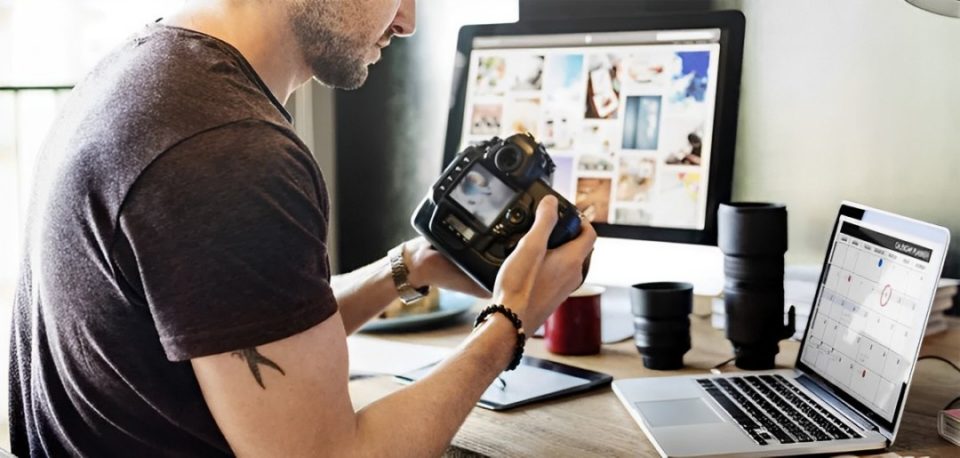
In the age of digital photography, editing tools have always been a staple for photographers and casual users alike. However, the rise of AI-powered photo editing tools has taken image manipulation to an entirely new level. These tools can transform ordinary photos into visually stunning masterpieces with just a few clicks. While the convenience is undeniable, the capabilities of these AI editors are so advanced that they raise a pressing question: Can we ever trust a photo again?
What Makes AI Photo Editors Revolutionary?
AI photo editors leverage machine learning algorithms to analyze and enhance images in ways that were once only possible through painstaking manual editing. Here’s what sets them apart:
Effortless Background Removal: AI can seamlessly remove or replace backgrounds in seconds, making it perfect for product photography or creating social media-ready images.
Portrait Perfection: Tools can retouch skin, adjust facial features, and even change expressions, creating flawless portraits that look almost unreal.
Color Grading & Enhancement: AI can detect and correct lighting, shadows, and colors automatically, bringing out details that were previously hidden.
Creative Overlays: Features like adding realistic skies, artificial lens flares, or textures can transform an image’s mood entirely.
Object Removal: Unwanted objects or people can be erased without leaving a trace, making photos appear perfectly composed.
A Double-Edged Sword
While AI photo editors are a game-changer for creativity and productivity, they also blur the line between reality and manipulation.
The Good
Time-Saving: Complex edits that used to take hours can now be done in seconds.
Accessibility: You don’t need to be a Photoshop expert to achieve professional results.
Enhanced Creativity: AI tools free users to focus on creative ideas rather than technical execution.
The Concern
Loss of Authenticity: AI-edited photos can be so perfect that they lose the natural imperfections that make images genuine.
Misinformation Risks: Realistic edits make it easier to create fake images that can spread misinformation.
Over-reliance on Technology: As AI handles more of the heavy lifting, traditional photo editing skills may fade into obscurity.
Trust Issues in the Digital Age
With AI editors creating near-perfect images, it becomes increasingly difficult to distinguish between what’s real and what’s not. This issue is especially concerning in contexts where authenticity is critical, such as news reporting or legal evidence.
Social media is another battleground where heavily edited photos contribute to unrealistic beauty standards and distorted perceptions of reality. People comparing themselves to AI-altered images often feel inadequate, fostering negative mental health impacts.
AI in Action: The Future of Photography
Despite the concerns, AI photo editors are here to stay and will likely become even more sophisticated. Future iterations may include:
Live Editing: Real-time enhancements during video calls or livestreams.
3D Reconstruction: Transforming flat photos into dynamic 3D models.
Personalized Styles: AI that learns your editing preferences and applies them automatically.
A Call for Transparency
As AI editing tools become ubiquitous, fostering transparency in digital content is crucial. Platforms could implement watermarks or metadata that indicate when an image has been edited using AI. Additionally, educating users about the capabilities and ethical implications of AI tools can promote responsible use.
Conclusion
AI photo editors are undeniably impressive, offering unparalleled convenience and creative freedom. However, their capabilities challenge the very concept of photographic truth. As these tools continue to evolve, users must navigate the delicate balance between leveraging AI for creative expression and preserving the authenticity of visual content.
In a world where a single click can transform reality, it’s up to us to question every image we see. After all, when the lines between real and artificial blur, trust becomes the most valuable lens through which we view the world.
