
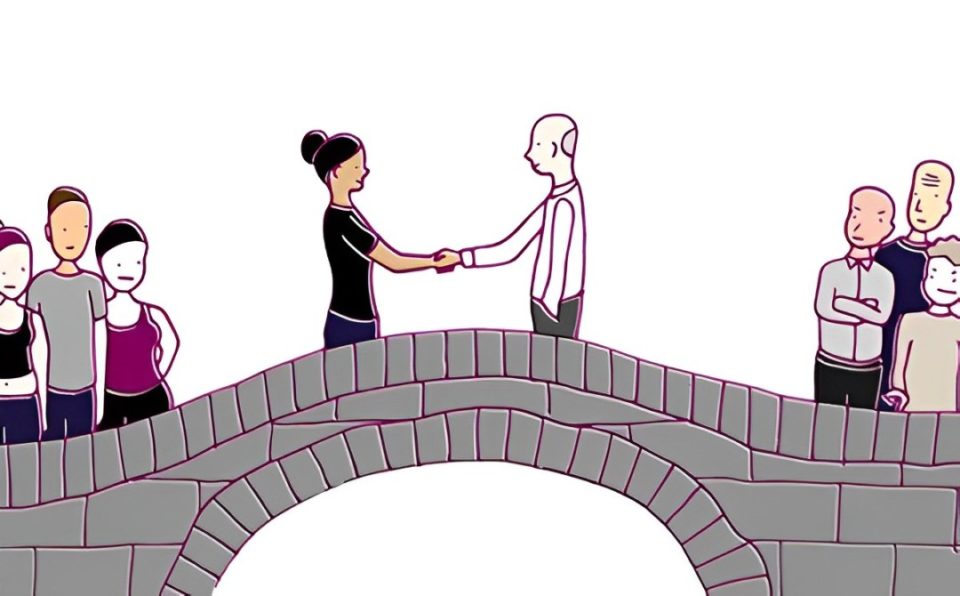
The generation gap has often been described as a chasm separating younger and older generations, defined by differing values, attitudes, and lifestyles. But is it merely a barrier, or can it transform into a bridge of love, understanding, and connection? This article explores the nuances of the generation gap and how love and empathy can help bridge this divide.
Understanding the Generation Gap
The term “generation gap” refers to the differences in opinions, behaviors, and preferences between people of different age groups. These differences are often fueled by the rapid pace of technological advancements, evolving cultural norms, and shifting societal priorities.
Technology Divide: Younger generations are digital natives, often fluent in technology, while older generations may struggle to keep pace.
Cultural Shifts: Generational differences in values—such as views on gender roles, work-life balance, or social activism—can lead to misunderstandings.
Communication Styles: Each generation has its preferred way of communicating. For example, younger people might rely on texting or social media, while older adults might prefer face-to-face conversations.
Challenges in Crossing the Divide
While the generation gap can enrich perspectives, it can also lead to tension:
Misunderstandings: Younger generations might view older individuals as out-of-touch, while the latter might see the former as impatient or entitled.
Resistance to Change: Older generations may cling to traditions, while younger ones seek innovation and change, leading to conflict.
Lack of Empathy: Both sides may struggle to see the world through the other’s eyes, perpetuating stereotypes and biases.
Building Bridges Through Love and Understanding
Despite the challenges, bridging the generation gap is not only possible but essential for fostering harmony within families, workplaces, and communities.
Communication is Key
Open, honest, and respectful communication can break down barriers. Listening without judgment and expressing oneself thoughtfully can create a safe space for dialogue.
Sharing Experiences
Spending quality time together allows generations to share their stories, traditions, and interests. Younger people can teach older ones about new technology, while older individuals can impart wisdom and life lessons.
Embracing Differences
Celebrating, rather than criticizing, generational differences can lead to mutual appreciation. Each generation has unique strengths—combining them can lead to creative solutions and deeper connections.
Finding Common Ground
Shared activities, such as cooking, gardening, or traveling, can unite generations. Collaborative efforts, like volunteering or working on a family project, foster teamwork and mutual respect.
Real-Life Love Bridges
Family Bonds: Grandparents and grandchildren often form special relationships, learning from and supporting each other despite the age gap.
Mentorships: In workplaces, older employees mentor younger ones, sharing expertise while also learning new skills.
Community Programs: Intergenerational programs, such as storytelling events or tech tutoring sessions, encourage understanding and connection.
Conclusion
The generation gap is not an insurmountable divide but an opportunity to build bridges of love and empathy. By fostering mutual respect, open communication, and shared experiences, we can transform generational differences into strengths.
As we embrace the diversity of perspectives across age groups, we create a more compassionate, inclusive world where every generation feels valued and connected. The question is no longer whether we can bridge the generation gap, but how we can build stronger, more loving connections across it.
