
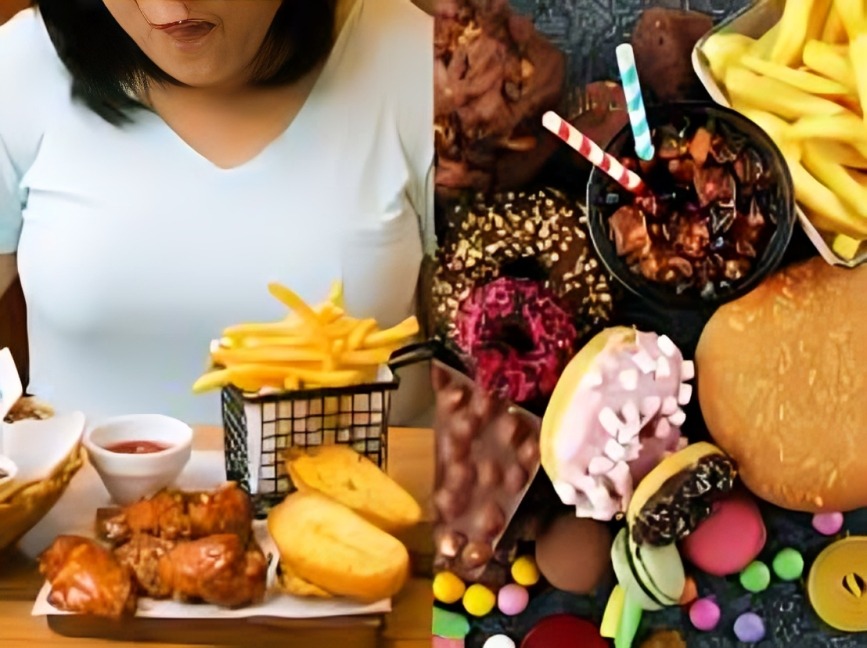
In today’s world, unhealthy food is everywhere—fast food chains on every corner, endless snacks on supermarket shelves, and digital ads tempting us with greasy burgers and sugary treats. While everyone indulges occasionally, research shows that one age group is far more addicted to unhealthy food than others: young adults, particularly those between the ages of 18 and 29.
This stage of life, often marked by independence, exploration, and busy schedules, creates the perfect storm for poor eating habits to take hold. But why are young adults so vulnerable, and what makes unhealthy food such an irresistible trap for them?
Why Young Adults Struggle the Most
1. Freedom Meets Convenience
For many, the late teens and early twenties are the first time they’re living away from parents and making their own food choices. Without the structure of home-cooked meals, young adults often turn to convenience—fast food, instant noodles, and takeout. It’s quick, cheap, and fits into their fast-paced lives.
2. Stress and Emotional Eating
This age group faces enormous pressures: building careers, managing finances, and navigating relationships. Stress and uncertainty make comfort food appealing, and high-sugar or high-fat foods trigger dopamine releases in the brain that temporarily soothe anxiety.
3. Marketing and Social Influence
Fast food brands and snack companies know exactly who their biggest consumers are. Ads are often targeted toward young adults, portraying unhealthy food as trendy, fun, and social. Combine this with peer pressure—grabbing pizza at midnight with friends or snacking during gaming sessions—and it’s easy to see how habits form.
4. Biological Drive for Energy
Young adults often juggle study, work, and social activities, leaving them sleep-deprived and constantly on the go. The body naturally craves quick energy, and high-carb, high-sugar foods provide that rapid fuel (though the crash soon follows).
The Hidden Costs of Addiction
Unhealthy food addiction in young adulthood doesn’t just affect the present—it sets the stage for future health problems. Consistent consumption of processed and fast foods is linked to:
- Increased risk of obesity
- Type 2 diabetes
- High blood pressure
- Heart disease
- Poor gut health and digestion
- Decline in energy, focus, and mental clarity
Even worse, habits formed in the 20s often carry into the 30s and 40s, making them harder to break later in life.
Signs of Food Addiction in This Age Group
Not every young adult who eats fast food is addicted. Addiction, however, shows up in specific ways:
- Craving unhealthy food even when not hungry
- Eating more than intended and feeling guilty afterward
- Struggling to stop or limit consumption despite knowing the risks
- Using junk food as a way to cope with stress or emotions
- Needing more over time to feel “satisfied”
These patterns mimic substance addiction, showing just how powerful processed food can be on the brain.
Breaking Free: What Can Help
Overcoming unhealthy food addiction isn’t easy, especially for young adults surrounded by temptation. But small, intentional steps can create big changes:
- Meal Prep and Planning: Having healthier meals ready makes it easier to resist fast food.
- Mindful Eating: Paying attention to hunger cues and eating slowly reduces overeating.
- Healthy Swaps: Choosing air-popped popcorn over chips, or dark chocolate over candy, satisfies cravings with less harm.
- Stress Management: Exercise, journaling, or meditation can replace emotional eating.
- Support Systems: Sharing healthy goals with friends or joining communities makes the journey easier.
Conclusion
While people of all ages struggle with unhealthy food, young adults are the most vulnerable to addiction. Their lifestyle, stress levels, and exposure to aggressive marketing create a cycle that is hard to escape. But awareness is the first step toward change. By recognizing the triggers and taking small actions to prioritize health, young adults can rewrite their relationship with food before it shapes their long-term future.
Unhealthy food might be addictive, but it doesn’t have to be a life sentence. This is the age to build habits that last a lifetime—and breaking free now could mean a healthier, more vibrant tomorrow.
Would you like me to make this article more research-heavy with statistics and studies for credibility, or keep it engaging and lifestyle-oriented like this?
