
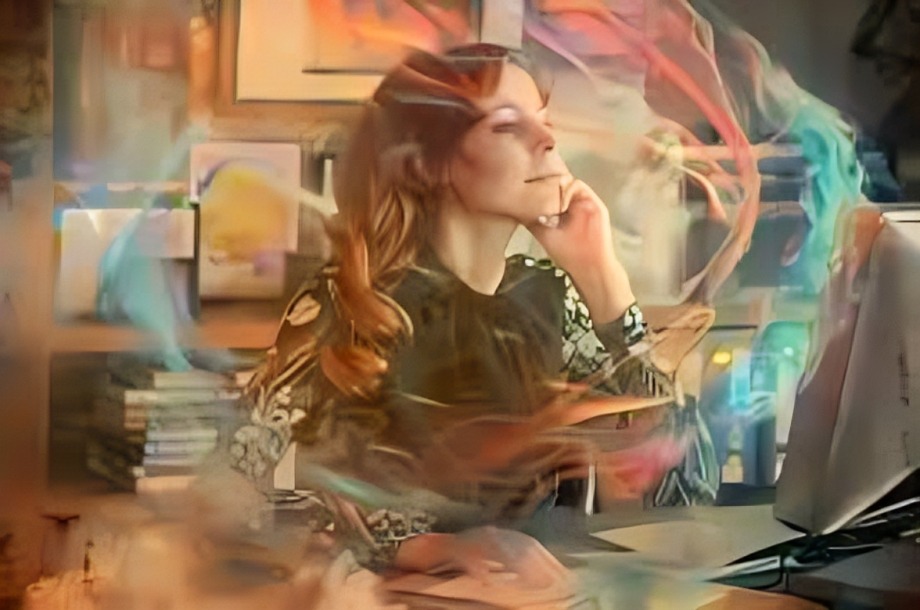
We often think of intuition as something mystical—an otherworldly whisper guiding us toward the right path. For centuries, it has been painted as an enigmatic force, reserved for sages, mystics, and dreamers who could sense what ordinary people could not. But the truth is, intuition does not live in rare, unreachable spaces. It lives in us, woven into the very fabric of our everyday experiences.
Sometimes it arrives as a tug in the chest, a sudden unease in a crowded room, or a pull toward a decision you can’t rationally explain. At other times, it is more physical, like the irresistible need to scratch an itch. These seemingly small nudges—whether on our skin, in our hearts, or in our minds—are not accidents. They are invitations. They urge us to pause, notice, and align with what’s calling us from within.
To access intuition is not to perform magic; it is to honor the sacred art of scratching what itches.
The Wisdom in Small Signals
Our bodies and minds are always in dialogue with us, though we often forget to listen. A headache might signal more than stress; it could reveal the weight of unspoken emotions. A racing heartbeat may be fear disguising itself as excitement. Even an itch—the lightest tap on our skin—teaches us something: “Pay attention.”
Scratching an itch is not just a reflex. It is an acknowledgment. It is saying: I hear you, body. I know you are speaking, and I am listening. In the same way, intuitive nudges are the mind and soul’s way of signaling us to tune in. By honoring them, we affirm that there is intelligence within us far older and wiser than our rational thoughts.
When you catch yourself sensing that something is “off” in a conversation, that’s intuition. When you know, without evidence, that a choice will either liberate or trap you, that’s intuition. These signals may be soft, but they are powerful, and like an itch, they become louder the longer they are ignored.
Intuition as a Subtle Compass
Unlike logic, which explains itself with arguments and proof, intuition doesn’t waste energy convincing us. It whispers. It nudges. It places a feeling in our chest or a spark in our imagination. Rarely does it arrive with full explanations—because its job is not to reason; its job is to guide.
Think of intuition as a compass that doesn’t bark directions but quietly points north. The sacred art lies in trusting that subtle pull, even when your rational mind demands a map, a guarantee, or a clear destination.
When you suddenly feel the urge to call a friend you haven’t spoken to in years, that’s intuition asking you to reconnect. When you hesitate before saying “yes” to something that looks good on paper but feels wrong in your bones, that’s intuition protecting you. When you feel a sudden burst of creativity at midnight and can’t rest until you write, paint, or build, that is intuition urging you to scratch what itches.
Scratching What Itches in Life
“Scratching what itches” is more than tending to the body—it’s tending to the soul.
That story idea that won’t leave your mind? Scratch it by putting words on the page. That discomfort in your career path? Scratch it by exploring what your heart longs for, not what society tells you to settle into. That quiet unrest in your relationship? Scratch it by asking the questions you’ve been avoiding, by daring to face the truth you already sense.
Ignoring life’s itches doesn’t make them disappear. They fester. They grow louder. They manifest as stress, discontent, or a life half-lived. But when you scratch—when you act on the pull, when you explore the nudge—you enter alignment with your inner wisdom.
Scratching what itches is not indulgence; it’s self-respect.
Practicing the Sacred Art
Accessing intuition is not about waiting for grand visions or dramatic revelations. It’s about creating small, everyday practices that allow us to notice and respond to life’s subtle signals.
- Pause and Notice: Before dismissing a thought, sensation, or urge, stop and ask: What is this pointing to? What part of me is speaking?
- Honor Small Nudges: Even if they feel trivial, follow through. Sometimes the smallest impulses—like taking a walk, journaling a passing idea, or shifting your daily routine—lead to surprising clarity.
- Stay Curious, Not Fearful: Intuition is often drowned by doubt. Approach it like an explorer: curious, open, willing to test where it leads.
- Scratch Responsibly: Not every itch is worth indulging recklessly. But most are worth acknowledging. Balance instinct with reflection, so you can distinguish between an impulsive craving and a deep inner truth.
- Create Quiet: Intuition thrives in stillness. Disconnecting from the noise of constant notifications, obligations, and chatter makes space for your inner compass to speak more clearly.
Conclusion
We live in a world that rewards noise—the loudest voices, the strongest logic, the clearest evidence. Yet intuition doesn’t operate in those frequencies. It isn’t loud, and it doesn’t compete. It waits quietly, like an itch you can’t ignore, reminding you that your soul already knows the way.
The sacred art of scratching what itches is about more than comfort—it is about trust. Trusting your body when it speaks. Trusting your heart when it nudges. Trusting your spirit when it whispers.
When you scratch, you relieve tension, but you also acknowledge life’s deeper invitation: to listen, to respond, and to reconnect. The more you honor these subtle signals, the more you discover that intuition is not some mystical rarity. It is a living presence within you—always whispering beneath the noise, always guiding you home.
Do you want me to expand this even further into a book-like chapter (with stories, examples, and metaphors woven in), or keep it as a long-form article like this?
