
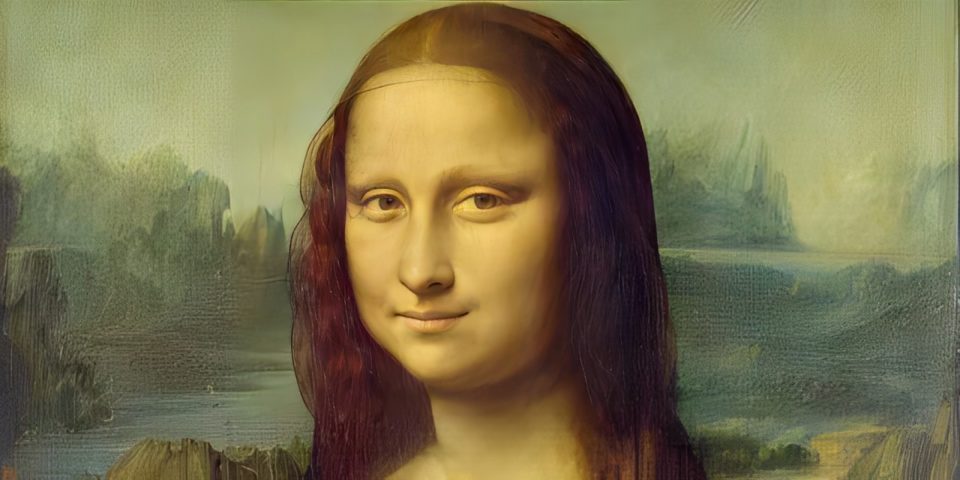
The Mona Lisa, Leonardo da Vinci’s iconic painting, has long been considered one of the greatest works of art ever created. Featuring a serene woman with an enigmatic smile, the painting has captivated millions of viewers for centuries. However, the painting’s rise to fame was not as instantaneous as many might assume. The story of how the Mona Lisa became the symbol of artistic achievement and cultural prominence is a fascinating tale of mystery, theft, and the unpredictable nature of fame.
The Painting’s Early Years
Painted by Leonardo da Vinci in the early 1500s, the Mona Lisa initially went largely unnoticed by the broader public. Da Vinci was commissioned by Florentine merchant Francesco del Giocondo to paint a portrait of his wife, Lisa Gherardini, a member of the Florentine aristocracy. The painting, then known simply as La Gioconda in Italian, was meant to be a private commission for the Giocondo family and was kept within their home for years. During this period, there was no mass art appreciation or celebrity status attached to art like we see today. The painting was simply one among many created during the Renaissance, and it was appreciated by those who saw it but remained relatively obscure in the wider art world.
The Theft that Sparked Worldwide Attention
The surprising twist in the Mona Lisa’s rise to fame occurred in 1911, when the painting was stolen from the Louvre Museum in Paris. The theft was a shocking event. Vincenzo Peruggia, an Italian handyman who had previously worked at the museum, managed to steal the Mona Lisa and hide it in his apartment for over two years. His motive was rooted in his belief that the painting should be returned to Italy, where he thought it rightfully belonged.
The theft caused an international sensation. The Louvre, which had long been a hub for art lovers, found itself in the center of a media frenzy. Newspapers across the world covered the story, and the painting, which had previously been a curiosity among art aficionados, became a household name. People from all over the world were fascinated by the mystery of the theft and the disappearance of such a beloved artwork. The media coverage, combined with the intrigue surrounding its return, propelled the painting to global fame. Its theft made it a symbol of cultural importance, even for those who had never seen it in person.
The Mona Lisa’s Return and International Stardom
In 1913, after more than two years of being lost, the Mona Lisa was recovered when Peruggia tried to sell it to an art dealer in Florence. He was caught, and the painting was returned to the Louvre, where it was welcomed back with great fanfare. By this time, the Mona Lisa had already achieved a status that far exceeded its initial fame as a portrait. When the painting was finally returned to public view, crowds flocked to the museum to see it. The Mona Lisa was no longer just a painting; it had become a symbol of international intrigue, beauty, and mystery.
Modern-Day Fame: A Cultural Icon
The media storm surrounding the theft of the Mona Lisa laid the groundwork for its status as one of the most recognized paintings in the world. In the decades that followed, the Mona Lisa’s fame was further solidified through its place in popular culture. From being the subject of parodies, such as Marcel Duchamp’s 1919 L.H.O.O.Q. (a famous alteration of the Mona Lisa with a mustache), to being featured in countless documentaries, books, and movies, the painting became ingrained in the collective consciousness.
Today, the Mona Lisa attracts millions of visitors every year at the Louvre. Its fame has transcended the art world, becoming a symbol of mystery and beauty for people of all ages and backgrounds. Its fame endures because it remains an enigma—whether through the ambiguity of the subject’s smile, the unresolved questions about its creation, or the intriguing history of its theft.
Conclusion
The Mona Lisa’s fame is a testament to the unpredictable nature of what makes something famous. It wasn’t merely Leonardo da Vinci’s genius or the quality of the painting that secured its place in history; rather, it was a combination of factors—the theft, the international media attention, and its return to the public eye—that transformed it from a private commission into one of the most iconic works of art ever created.
Today, the Mona Lisa’s fame serves as a reminder that the journey to iconic status is not always linear. Sometimes, it is the unexpected events, the mysteries, and the twists of fate that elevate something from obscurity to worldwide recognition. In the case of the Mona Lisa, this unexpected rise to fame has ensured that its legacy will continue to captivate audiences for generations to come.
