
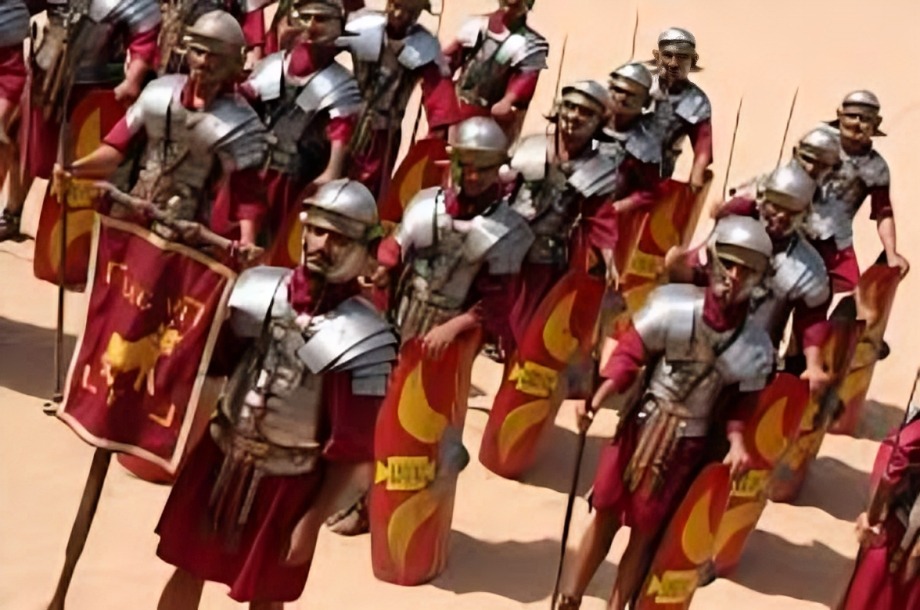
The Roman Empire did not rise to dominance by chance—it was built on discipline, strategy, and one of the most organized military systems in history. The Roman army was more than just a fighting force; it was a well-oiled machine, structured with precision to ensure victory on battlefields across Europe, Africa, and the Middle East.
Here’s a closer look at the structure of Rome’s mighty war machine and how it became the backbone of an empire that lasted for centuries.
The Legion — The Heart of the Army
The most famous unit in the Roman army was the legion, a massive force of about 5,000–6,000 soldiers. Each legion was a self-contained army with its own infantry, cavalry, engineers, and support staff. It could march, build fortifications, and fight without relying heavily on outside resources.
Legions were numbered and named, often carrying symbols such as the eagle (Aquila), which soldiers would defend to the death. Losing the eagle standard was considered the ultimate disgrace.
Cohorts — Tactical Subdivisions
Each legion was divided into 10 cohorts, with the first cohort being the most prestigious and powerful. It contained the most experienced soldiers and officers. Cohorts allowed the Romans to deploy their forces flexibly—fighting as a whole legion or breaking into smaller, more mobile units depending on the battlefield.
Centuries and Centurions — The Backbone of Command
Cohorts were further divided into centuries—units of about 80 men led by a centurion. Despite the name, a century rarely had exactly 100 soldiers.
Centurions were experienced veterans known for their leadership, discipline, and sometimes brutal enforcement of order. They were the real day-to-day leaders of the army, ensuring every man followed orders and kept formation under pressure.
Specialized Troops
The Roman army was not just heavy infantry. It included:
- Cavalry (Equites) — Used for scouting, quick attacks, and flanking maneuvers.
- Archers and Slingers — Often recruited from allied or conquered territories for ranged attacks.
- Engineers and Artillery Crews — Built siege engines like ballistae and catapults, as well as roads, bridges, and fortifications.
This combination of skills made the Roman army adaptable to any kind of warfare—open field battles, sieges, or naval conflicts.
Strict Discipline and Training
Roman soldiers (legionaries) trained relentlessly. They marched up to 20 miles a day with heavy packs, practiced weapon drills, and built camps every night—complete with walls and ditches—no matter how tired they were.
Punishments for disobedience were severe, including flogging or even execution. This strict discipline ensured that even in chaotic situations, Roman troops held their lines and executed commands with precision.
Logistics — The Silent Power
Rome’s war machine ran on more than swords and shields—it thrived on logistics. Supply lines ensured that soldiers had food, weapons, and reinforcements wherever they went. Roman roads and storage depots made it possible to move troops and resources quickly, keeping the army strong far from home.
Command Structure
At the top of the chain was the legatus, appointed by the Senate or Emperor to lead the legion. Under him were senior officers like tribunes and prefects, followed by centurions who managed the rank-and-file soldiers. This hierarchy ensured clear communication and efficient command in battle.
Conclusion
The Roman army’s structure—its disciplined ranks, specialized units, and efficient command—was the key to its unmatched success. It was more than a group of warriors; it was an organized system that could conquer, govern, and maintain order across a vast empire.
Even today, military strategists study the Roman model for lessons in leadership, organization, and adaptability—proof that the war machine of Rome was as brilliant in design as it was fearsome in battle.
If you want, I can also create a visual diagram of the Roman army’s hierarchy to make this article more engaging for readers.
