
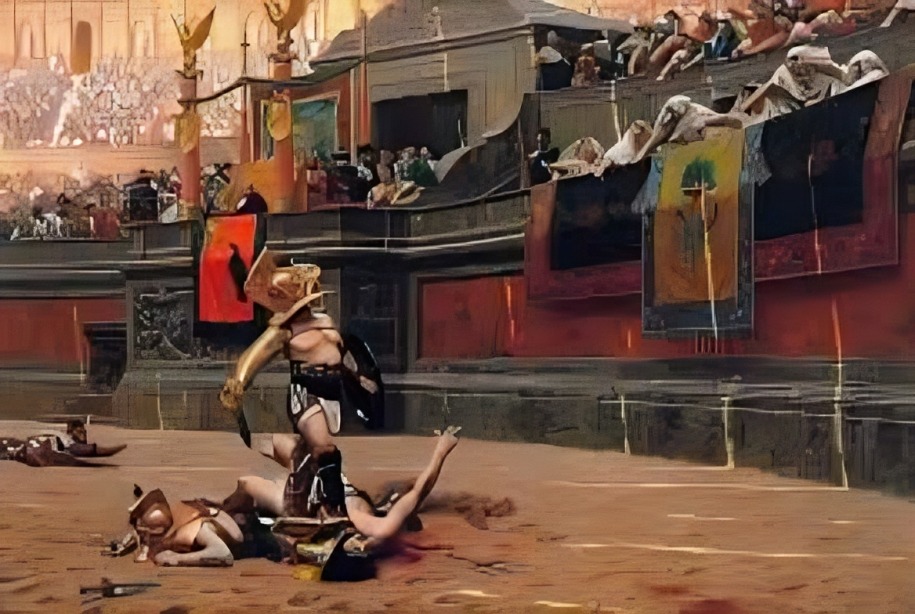
When we hear the word “gladiator,” most of us picture a blood-soaked arena, roaring crowds, and a fearless warrior fighting to the death under the burning Roman sun. Popular films, TV shows, and video games have cemented this image into our collective imagination. However, much of what we believe about gladiators is shaped more by Hollywood than by history. Let’s uncover the main misconceptions about gladiators — and the surprising truths behind them.
Gladiators Always Fought to the Death
This is perhaps the most enduring myth — and also the least accurate. While gladiatorial combat was certainly violent, it wasn’t always fatal. Gladiators were expensive investments for their owners. They were trained professionals who lived in special schools, received medical care, and required years of preparation. Killing them after every match would have been financially foolish.
Many bouts ended when one fighter was wounded or surrendered. The decision to spare or kill a gladiator often lay in the hands of the editor (sponsor of the games), and contrary to popular belief, the “thumbs up/thumbs down” gesture wasn’t as clear-cut or consistently used as movies suggest.
Gladiators Were All Slaves
While it’s true that many gladiators were slaves, criminals, or prisoners of war, not all fit this category. Some were volunteers — free men (and occasionally women) known as auctorati who chose to become gladiators. They signed contracts, received payment, and willingly entered the arena, often drawn by fame, glory, or the promise of wealth.
For some, especially in times of economic hardship, becoming a gladiator was seen as a viable — if dangerous — career move.
Gladiators Were Uneducated Brutes
The image of the brutish, dim-witted gladiator is another stereotype that doesn’t hold up to scrutiny. Many gladiators were well-trained, skilled athletes who understood tactics, psychology, and performance. Some were even educated men who had fallen into debt or disgrace.
Additionally, being a gladiator involved much more than just strength. Fighters had to master specific fighting styles, weapons, and choreographed movements. They also needed discipline, stamina, and mental resilience to survive both the fight and the pressure of public performance.
Gladiator Matches Were Chaotic Free-For-Alls
Many assume that gladiator matches were wild, disorganized bloodbaths with dozens of fighters battling at once. In reality, most matches were carefully structured one-on-one duels between fighters of different classes and fighting styles, designed to entertain through contrast and strategy rather than sheer violence.
These fights were highly ritualized, with strict rules and referees present to ensure fairness. Different types of gladiators — like the heavily armored murmillo or the agile retiarius — had distinct roles and tactics, making matches a kind of violent chess game rather than uncontrolled brawls.
Gladiators Were Social Outcasts
Surprisingly, gladiators were often admired and celebrated. They could become celebrities of their time, with fans, graffiti in their honor, and even merchandise. Some wealthy Roman women were said to have been enamored with gladiators, drawn to their bravery and physical prowess.
While they held a low legal status, gladiators could achieve a kind of fame and popularity that rivaled that of modern athletes or actors. Those who survived long enough and won enough matches could earn their freedom and retire in glory.
Conclusion
Gladiators were not mindless killers forced to fight for sport. They were complex figures — a mix of slave and superstar, athlete and performer, victim and volunteer. Their world was one of discipline, spectacle, strategy, and survival.
By peeling back the myths and looking at the historical evidence, we gain a more accurate — and more fascinating — understanding of these iconic figures from ancient Rome. Far from being just instruments of bloodshed, gladiators were symbols of strength, endurance, and the strange intersection of violence and entertainment in Roman society.
