
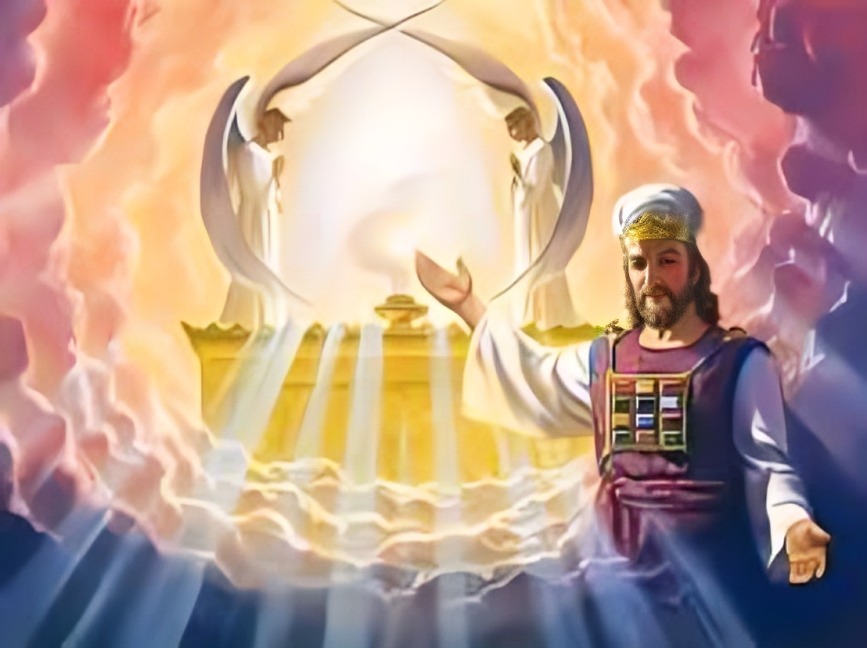
When we think of the trial and crucifixion of Jesus, the name Caiaphas stands out. As the high priest of Jerusalem during one of the most significant moments in history, Caiaphas played a leading role in the condemnation of Jesus. But what became of him after the cross was raised on Golgotha and the crowds went home?
The story of Caiaphas doesn’t end on the pages of the Bible. While Scripture is silent about his later life, history offers us a glimpse into the surprising and somewhat mysterious fall of the man who once stood at the pinnacle of religious power.
Caiaphas: The Power Behind the Sanhedrin
Joseph Caiaphas held the office of high priest from roughly AD 18 to 36. Appointed by the Roman governor Valerius Gratus (the predecessor of Pontius Pilate), Caiaphas was known for being politically shrewd and for maintaining order in Jerusalem—a city often boiling with tension under Roman rule.
His position was not just spiritual; it was political. Keeping the peace meant staying in Rome’s good graces. And Jesus of Nazareth—growing in popularity, speaking with authority, and challenging the religious elite—was a threat to that peace.
It was Caiaphas who, according to the Gospels, advised the Sanhedrin that it was “better for one man to die than for the whole nation to perish” (John 11:50). He saw Jesus as a potential spark for rebellion—one Rome would not tolerate.
After the Crucifixion: A Shift in Power
Jesus was crucified under Roman authority, but with the cooperation of the Jewish leaders led by Caiaphas. In the short term, Caiaphas may have thought he succeeded. The crowds dispersed. Jesus was gone.
But the aftermath wasn’t what he expected.
The followers of Jesus, far from disappearing, grew stronger and more determined. The resurrection, preached boldly by the apostles, gained momentum. The high priest and the Sanhedrin tried to silence them through arrests and threats, but it didn’t work.
Within a few years, the high priest’s power began to weaken. According to historical sources, including Josephus, Caiaphas was removed from his position by the Roman governor Vitellius in AD 36—just a few years after the events of the crucifixion.
No official reason was given, but it’s believed that growing unrest and dissatisfaction among the Jewish people may have contributed. His alliance with Rome, which once protected him, may have become a liability.
The Rest Is Silence
After his removal, Caiaphas fades from history. There is no record of his later life or death in the Bible or reliable historical texts. Tradition and legends have tried to fill the gap—some claiming he was haunted by guilt, others suggesting he lived out his days quietly, far from public view.
In 1990, archaeologists discovered an ossuary (bone box) in a tomb south of Jerusalem with the inscription “Joseph son of Caiaphas.” Many believe this was the high priest’s final resting place. Whether or not the remains are his, it’s a powerful symbol: a once-mighty religious figure, now reduced to a stone box in the dust of history.
Conclusion
Caiaphas thought he could silence Jesus. Instead, he became a side character in a much larger story—one that continues to inspire, challenge, and transform lives across the world.
His fall reminds us that power is temporary, but truth endures. And though his name is remembered, it is not for the legacy he hoped to leave—but for the role he played in something far greater than himself.
Let me know if you’d like this adapted for a particular audience, like youth groups, historical readers, or general inspiration.
