
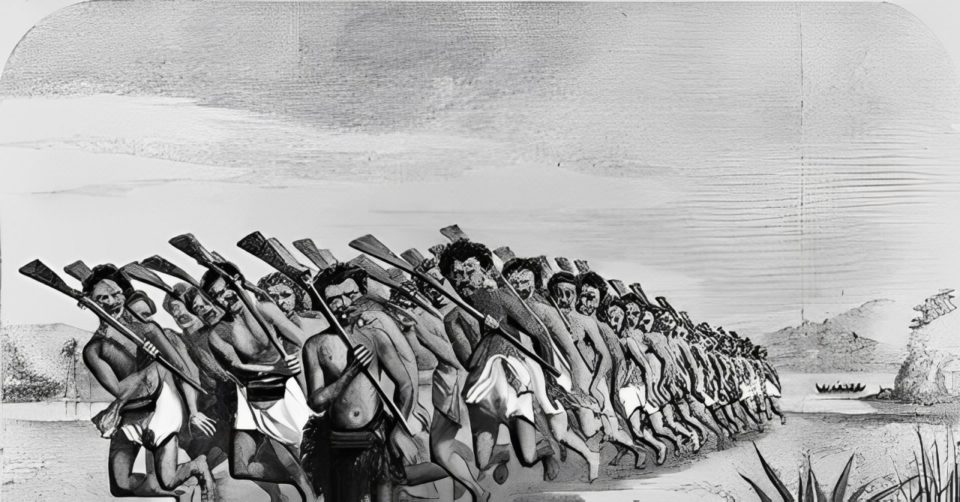
The introduction of muskets in New Zealand during the early 19th century dramatically changed the course of Māori warfare and the balance of power among different tribes. Before European contact, the Māori engaged in traditional warfare, using close-combat weapons such as spears (taiaha), clubs (mere), and tactical fortifications known as pā. The arrival of muskets introduced a new and deadly weapon that revolutionized how wars were fought, reshaping the landscape of Māori society and conflict.
The Arrival of Muskets
European traders and missionaries first brought muskets to New Zealand in the late 1700s and early 1800s. At first, these firearms were rare and expensive, but as trade increased—particularly with European whalers and traders—some Māori tribes began acquiring muskets in exchange for goods like flax, timber, and food.
Tribes that were able to acquire muskets early on gained a significant advantage over those who did not, as the destructive power of these new weapons far outmatched traditional Māori weaponry. The early adopters quickly realized that muskets could be a decisive factor in warfare, leading to an arms race between rival tribes.
The Musket Wars
The period between the 1810s and 1830s is often referred to as the Musket Wars, a time marked by widespread conflict between Māori iwi (tribes) across New Zealand. The Ngāpuhi tribe, located in the northern part of the North Island, was one of the first to gain access to a large number of muskets. Under the leadership of chiefs like Hongi Hika, the Ngāpuhi launched devastating raids against neighboring tribes.
Muskets allowed for a new style of warfare. Previously, battles had been fought at close range, with both sides engaging in hand-to-hand combat. The introduction of muskets allowed warriors to attack from a distance, inflicting casualties before the enemy could close in. As a result, tribes without muskets were at a severe disadvantage and suffered heavy losses.
Impact on Māori Society
The Musket Wars had a profound impact on Māori society. It is estimated that tens of thousands of Māori were killed or displaced during this period. Some tribes were wiped out entirely, while others were forced to flee from their traditional lands to escape the musket-wielding invaders.
The conflicts also altered traditional tribal alliances and rivalries. In many cases, iwi that were previously dominant found themselves on the losing side if they were unable to secure muskets. On the other hand, tribes that successfully acquired and mastered the use of muskets gained unprecedented power and territory.
This period of warfare also led to changes in how pā, the traditional fortified villages, were designed. Pā that had once been sufficient for defending against hand-held weapons were no longer effective against musket fire. Māori began constructing more elaborate and reinforced pā, with earthworks and trenches to protect against long-range attacks.
The End of the Musket Wars
By the late 1830s, the Musket Wars began to subside. Several factors contributed to this, including the increased availability of muskets, which leveled the playing field among tribes. Additionally, European missionaries played a role in promoting peace and convincing Māori chiefs to seek alternatives to violence.
The signing of the Treaty of Waitangi in 1840, which established British colonial authority over New Zealand, also contributed to the decline of inter-tribal warfare. However, the musket’s impact on Māori society continued to be felt long after the wars ended, as tribal territories and power dynamics had been significantly altered.
Long-Term Effects
The introduction of muskets not only transformed Māori warfare but also had lasting effects on the social and political structure of Māori society. Tribes that had gained power through their use of muskets often held onto this dominance, shaping the political landscape of New Zealand for generations.
Additionally, the Musket Wars had a significant impact on the population. The loss of life and displacement of entire communities caused demographic shifts, and the trauma of these conflicts lingered in Māori memory and oral history.
Conclusion
The introduction of muskets into New Zealand during the early 19th century marked a turning point in Māori warfare. These firearms revolutionized the way battles were fought, leading to the Musket Wars and reshaping the balance of power among Māori tribes. While the wars eventually subsided, the legacy of this period left a lasting imprint on Māori society, with changes in territorial control, tribal dynamics, and traditional warfare strategies that endured long after the last musket shot was fired
