
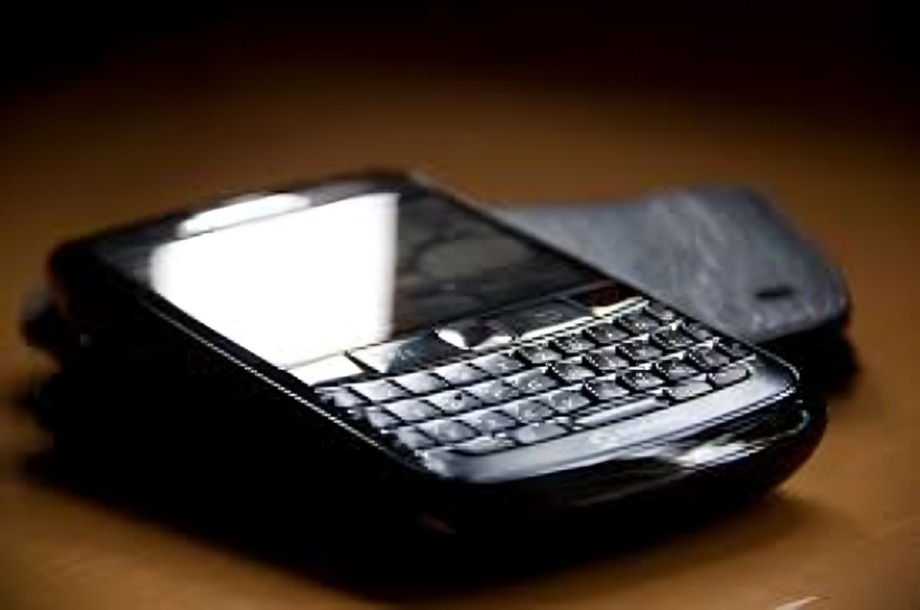
Remember the satisfying click of a real keyboard? The elegant blinking red light when a new email arrived? The quiet dignity of a phone that didn’t beg for your attention with endless notifications, filters, or dopamine-fueled doom scrolling? That was the era of the BlackBerry — the last smartphone with a soul.
Today’s devices may be faster, sleeker, and loaded with features, but somewhere along the way, they lost something intangible yet vital: purpose. Instead of tools, they’ve become toys. Instead of simplifying life, they complicate it. In this sea of near-identical glass slabs, maybe what we really need isn’t the next iPhone — it’s a resurrection of the BlackBerry spirit.
When Phones Were Tools, Not Distractions
Before smartphones became entertainment hubs, they were productivity tools. And no phone embodied that ethos more than the BlackBerry. It wasn’t flashy — it was functional. It didn’t have a million apps — it had the right ones. It didn’t want your screen time; it wanted your efficiency.
With its tactile keyboard, encrypted messaging, and enterprise-level security, the BlackBerry wasn’t built to steal your attention. It was designed to protect it.
The Era of Excess: What Went Wrong
Fast forward to today, and smartphones are bloated with features few people use but everyone pays for. The line between useful tools and digital leashes has vanished. Social media apps push constant notifications. Infinite scroll algorithms eat hours of your life. The average person checks their phone over 90 times a day — often without realizing it.
We don’t use our phones anymore. We serve them. And that’s a problem.
Why BlackBerry Still Matters
While BlackBerry as a phone brand officially exited the hardware game, the philosophy it stood for still has relevance — maybe even more than ever.
Here’s what made BlackBerry special, and why it deserves a modern revival:
- Physical Keyboard: There’s no substitute for the speed and precision of real buttons. Writers, professionals, and heavy communicators know the touchscreen can never quite match that satisfying rhythm of actual typing.
- Minimalist UI: BlackBerry’s interface wasn’t designed to hook you. It was designed to let you get in, get things done, and get out. No swipe-based distractions, no notification overload.
- Security First: In an era of privacy breaches, AI surveillance, and biometric leaks, BlackBerry’s end-to-end encryption and security features are sorely missed.
- Professional Identity: Unlike today’s devices, which are extensions of our social lives, the BlackBerry represents your professional self. It wasn’t about selfies — it was about self-discipline.
What a 2025 BlackBerry Could Look Like
A modern-day BlackBerry could be the perfect antidote to smartphone fatigue. Imagine this:
- A sleek, matte-finished device with a slide-out QWERTY keyboard
- A distraction-free home screen, built for focus, not engagement
- AI-powered scheduling and email tools — but with zero tracking
- Long battery life and modular parts for sustainability
- End-to-end encrypted communication, by default
A phone that’s more assistant than entertainer. More partners than parasites.
Conclusion
We don’t need another smartphone that folds, flips, or flexes. We need one that cares. One that doesn’t addict, but assists. One that doesn’t overwhelm, but organizes. In other words, we need a phone with a soul — and BlackBerry had that in spades.
Maybe it’s time to stop chasing the next big screen and start asking: What do we actually want our phones to do?
If the answer is “help me live a better, less distracted life,” then don’t look to the future. Look back — to a little black device with a blinking red light and a keyboard that meant business.
