
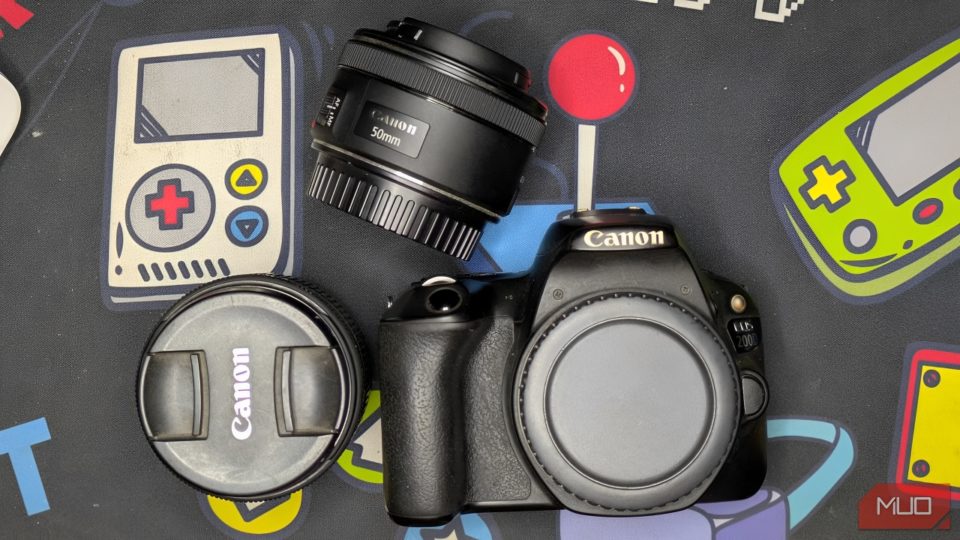
In the ever-evolving world of technology, one thing has remained constant: the improvement of smartphone cameras. With each new model release, manufacturers boast better sensors, higher megapixel counts, improved software, and the magic of computational photography. The smartphone camera has become so advanced that many people now rely on their phones as their primary device for capturing photos. But in the midst of all this progress, I still choose to carry a DSLR (Digital Single-Lens Reflex) camera with me. As we enter 2025, it may seem surprising that anyone still prefers a DSLR in the age of smartphone photography. So, what exactly makes a DSLR worth carrying when smartphones have come so far?
Image Quality and Depth of Field
While smartphone cameras have certainly come a long way, they still can’t quite match the image quality and depth of field that a DSLR provides. The larger sensors found in DSLRs allow for better low-light performance, dynamic range, and overall image sharpness. When it comes to achieving that dreamy, blurred background (bokeh) effect, DSLRs give you the ability to control aperture size manually, creating a professional look that smartphones can only imitate through software. The difference is often noticeable in more creative or professional settings, where image quality is paramount.
Smartphones use a variety of techniques like portrait mode and AI-powered processing to try and mimic a shallow depth of field, but these features often struggle in complex lighting or with intricate details. In contrast, a DSLR lets you capture images with precise control, ensuring you get exactly the shot you want.
Manual Control and Customization
For those who enjoy being fully immersed in the creative process, a DSLR offers a level of control that smartphones can’t replicate. With a DSLR, you have full manual control over shutter speed, aperture, and ISO, allowing you to adjust every aspect of your shot to achieve the desired result. Whether you’re capturing fast-moving subjects in low light or trying to capture the perfect landscape, the freedom to manually adjust your settings gives you greater flexibility and precision.
While smartphones have come a long way with their automatic settings and pro modes, there’s something inherently satisfying about physically adjusting a camera’s dials and settings. This tactile experience not only enhances creativity but also gives you a deeper understanding of photography as a craft.
Lens Options and Versatility
One of the most significant advantages of a DSLR is the wide array of lens options available. Whether you’re into wide-angle photography, telephoto shots, or macro photography, DSLRs offer interchangeable lenses that can be tailored to specific needs. Different lenses can drastically change the look and feel of your photos, offering greater flexibility in your photographic style.
Smartphones, on the other hand, are limited to built-in lenses. While they have multiple lenses to switch between, the optical zoom on a smartphone doesn’t compare to the capabilities of a high-quality DSLR lens. DSLRs can produce images with a wider variety of focal lengths, perspectives, and specialized effects, making them the go-to tool for professional photographers and enthusiasts alike.
Better Handling for Serious Photography
Although smartphones have become incredibly capable, the ergonomics and handling of a DSLR still make it the better option for serious photographers. Holding a smartphone while shooting for extended periods can lead to hand strain, especially when using external accessories like tripods or gimbals. A DSLR, with its comfortable grip and well-placed buttons, is designed specifically for photography, allowing you to shoot for longer periods without discomfort.
In addition, the viewfinder in a DSLR allows you to see your shot without relying on a screen, which can be particularly useful when shooting in bright sunlight. For many photographers, the act of holding and using a DSLR camera feels more intuitive and rewarding compared to the flat, touchscreen interface of a smartphone.
Battery Life and Durability
One of the often-overlooked advantages of DSLRs is their battery life. While smartphones are notorious for draining quickly when using their cameras, DSLRs are built to handle extended photo sessions. A DSLR can take hundreds, if not thousands, of photos on a single charge, depending on usage. This makes them much more reliable for long shoots, especially when you’re traveling or shooting an event where you don’t want to worry about constantly recharging your device.
Furthermore, DSLRs are generally more durable and weather-resistant than smartphones, which are often fragile and more prone to damage. With a DSLR, you can invest in weather-sealed bodies and lenses that allow you to shoot in a variety of conditions—whether that means capturing photos in the rain, snow, or extreme heat—without fearing for your equipment’s safety.
Photography as a Hobby or Profession
For many people, photography is more than just a means of capturing moments; it’s a passion, a hobby, or even a profession. A DSLR offers an experience that encourages you to develop your skills and dive deeper into the world of photography. The technical aspects, such as manual control, exposure settings, and lens selection, require learning and practice, which can be immensely rewarding.
While smartphones are great for quick snapshots and casual photography, they don’t offer the same depth of engagement or technical learning opportunities as a DSLR. The challenge of perfecting your craft with a DSLR keeps you engaged and inspired to push your creative boundaries.
Conclusion
While smartphones continue to dominate the photography landscape and have undoubtedly revolutionized the way we capture images, there is still something irreplaceable about using a DSLR. The superior image quality, manual control, lens versatility, and tactile experience of using a DSLR make it a tool of choice for those who are passionate about photography.
Smartphones have their place in our everyday lives, and they’re undoubtedly great for spontaneous snapshots and social media. However, for those who are serious about photography—whether as a hobby or profession—the DSLR remains an essential tool. In 2025, while the convenience of smartphones will continue to shape the way we photograph, the DSLR still offers an experience that no smartphone can match. For those who appreciate the artistry of photography and the satisfaction of creating truly exceptional images, the DSLR is far from obsolete; in fact, it’s an enduring companion in the pursuit of photographic excellence.
