
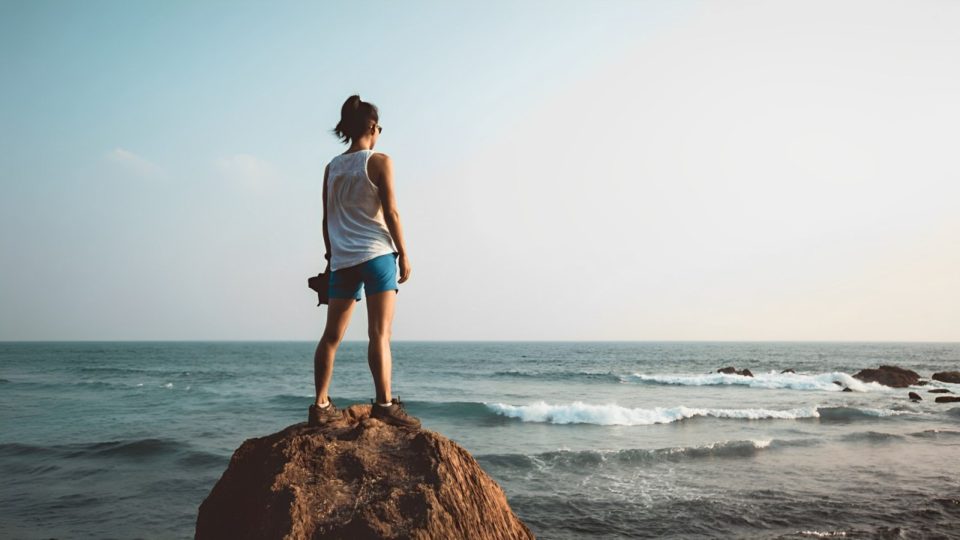
Water anxiety, or fear of water, can be a significant barrier to enjoying various activities and achieving a sense of comfort around water. Whether it’s fear of swimming, anxiety about being in the rain, or distress over natural water bodies, this type of anxiety can impact your quality of life. Fortunately, there are effective strategies you can use to overcome water anxiety and regain a sense of control. Here’s how you can address and manage this fear in simple, practical ways.
Understanding Water Anxiety
Water anxiety can manifest in different ways, from a general discomfort around bodies of water to intense fear of drowning or not being able to breathe. For some, the anxiety may stem from past traumatic experiences, while for others, it could be a more generalized fear. Understanding the root of your anxiety is the first step in addressing it effectively.
Start with Education
Knowledge can be a powerful tool in overcoming fear. Educate yourself about water safety, the physics of swimming, and basic first aid. Understanding how water safety measures work and how drowning is typically prevented can help reduce irrational fears. You might find that learning about the mechanics of water and safety can alleviate some of the anxiety.
Tips for Education:
Read books or articles about water safety and swimming.
Watch educational videos that explain the basics of swimming and water safety.
Consider taking a water safety course to build confidence.
Gradual Exposure
Gradual exposure is a technique used in cognitive-behavioral therapy to help individuals confront their fears in a controlled and systematic way. Start with small, manageable steps and slowly work your way up to more challenging situations.
Steps for Gradual Exposure:
Start Small: Begin by simply spending time near water, such as sitting by a pool or watching a video of water activities.
Progress Slowly: Move to shallow water where you can dip your toes or splash gently. Slowly increase your exposure as you grow more at ease.
Set Achievable Goals: Create a list of small goals related to water, such as floating on your back for a few seconds or walking into a pool, and celebrate each achievement.
Practice Relaxation Techniques
Relaxation techniques can help manage the physical symptoms of anxiety, such as a racing heart or shallow breathing. By practicing these techniques, you can calm your mind and body before and during water-related activities.
Effective Relaxation Techniques:
Deep Breathing: Focus on taking slow, deep breaths to calm your nervous system. Breathe in deeply through your nose, hold the breath for a few seconds, and then exhale gently through your mouth.
Progressive Muscle Relaxation: Tense and then release different muscle groups in your body to reduce overall tension and anxiety.
Visualization: Imagine yourself in a calm and safe water environment, picturing positive outcomes and peaceful scenarios.
Seek Professional Support
If water anxiety is severe and significantly impacts your daily life, seeking professional help can be beneficial. Therapists, especially those specializing in anxiety disorders, can provide strategies and support to address your fear.
Types of Professional Support:
Cognitive-Behavioral Therapy (CBT): CBT can help you understand and change the thought patterns contributing to your water anxiety.
Exposure Therapy: A therapist can guide you through gradual exposure exercises in a controlled and supportive environment.
Support Groups: Joining groups with others who share similar experiences can offer comfort and valuable advice.
Learn Water Skills Gradually
Taking swimming lessons or water safety classes can build your confidence and skills in the water. Start with basic skills and gradually progress as you become more comfortable. Knowing how to swim and being familiar with water safety can greatly reduce anxiety.
Tips for Learning Water Skills:
Find a Qualified Instructor: Look for a certified swimming instructor or water safety expert who can provide personalized guidance.
Start with Basics: Focus on learning basic water skills, such as floating, treading water, and basic strokes.
Practice Regularly: Consistent practice helps reinforce your skills and build confidence.
Incorporate Positive Reinforcement
Positive reinforcement can help reinforce your progress and build confidence. Reward yourself for facing your fears and achieving small goals related to water. Celebrating your successes, no matter how small, can boost your motivation and reduce anxiety.
Ways to Use Positive Reinforcement:
Reward Yourself: Treat yourself to something enjoyable after reaching a milestone, such as a favorite meal or a relaxing activity.
Keep a Journal: Track your progress and note the positive experiences you have with water. Reflecting on your achievements can provide encouragement.
Share with Supportive People: Share your progress with friends or family who can provide positive reinforcement and encouragement.
Create a Supportive Environment
Surround yourself with supportive individuals who understand your goals and can help you feel more comfortable. Having a trusted friend or family member accompany you during water-related activities can provide reassurance and encouragement.
Strategies for Creating a Supportive Environment:
Communicate Your Needs: Let others know about your anxiety and what kind of support you need.
Choose Supportive Companions: Spend time with people who are understanding and patient with your progress.
Set Boundaries: Clearly define what makes you feel comfortable and what you are ready to tackle in your journey to overcoming water anxiety.
Conclusion
Overcoming water anxiety is a journey that requires patience, practice, and support. By educating yourself, gradually exposing yourself to water, practicing relaxation techniques, seeking professional help if needed, and building a supportive environment, you can make significant strides in managing and reducing your anxiety. Remember, progress may be gradual, but with persistence and the right strategies, you can regain a sense of control and enjoy water-related activities with greater confidence and comfort.
