
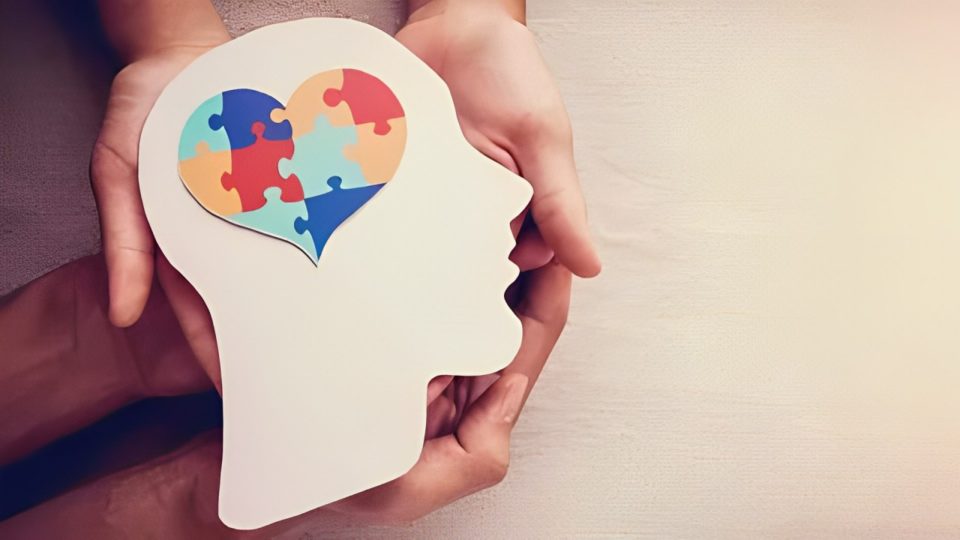
Mental health is one of the most important aspects of overall well-being, yet it is often overlooked, especially in women. Women face unique challenges that can impact their mental health, from societal pressures to hormonal fluctuations. Understanding the importance of mental wellness is essential, as it not only affects a woman’s ability to lead a fulfilling life but also her relationships, career, and overall happiness. In this article, we explore the significance of women’s mental health, the common mental health struggles they face, and ways to support mental wellness.
The Importance of Mental Health in Women
Mental health is more than just the absence of mental illness; it is a state of emotional, psychological, and social well-being. For women, mental health is essential because they often juggle various roles—mother, daughter, partner, professional—and these roles can lead to stress, anxiety, and even depression. Additionally, women may face unique life experiences that can influence their mental health, such as hormonal changes, pregnancy, postpartum depression, and caregiving responsibilities.
In fact, according to the World Health Organization, women are more likely to experience mental health disorders, particularly depression and anxiety, compared to men. This makes it crucial to prioritize mental wellness and ensure that women have access to the resources they need to thrive emotionally and psychologically.
Common Mental Health Struggles Women Face
Anxiety and Stress
The pressures of modern life can leave women feeling overwhelmed. Balancing work, family, and social expectations often leads to anxiety and chronic stress. Women may experience heightened stress due to the societal pressures of perfectionism, unrealistic beauty standards, and the constant need to “do it all.” Over time, prolonged stress can result in burnout and increase vulnerability to mental health issues.
Depression
Depression is one of the most common mental health struggles for women. Studies show that women are twice as likely as men to experience depression, often linked to hormonal changes, life circumstances, or a combination of both. The postpartum period can be especially challenging, as many women experience postpartum depression after childbirth. Other factors, such as hormonal fluctuations due to menstruation or menopause, can also contribute to feelings of sadness or hopelessness.
Body Image Issues
The rise of social media and the portrayal of “ideal” body types has led many women to struggle with body image issues. Constant comparisons to societal standards of beauty can foster feelings of inadequacy, low self-esteem, and poor body image. These issues often contribute to eating disorders, depression, and anxiety, affecting women of all ages.
Post-Traumatic Stress Disorder (PTSD)
Many women experience trauma in their lifetime, from abuse to assault or the loss of a loved one. Traumatic events can leave lasting emotional scars and result in PTSD, which significantly impacts mental health. The emotional toll of trauma can be compounded by feelings of shame, guilt, or fear of being judged by others.
Burnout
Many women are caregivers by nature, balancing multiple responsibilities at home and at work. This can result in burnout—and emotional, physical, and mental exhaustion caused by prolonged stress. Women in caregiving roles, whether as mothers, daughters, or professionals, may feel guilty for taking time for themselves, which can contribute to burnout.
The Path to Mental Wellness
While the challenges women face are real, there are steps that can be taken to support mental wellness. It’s important to recognize that mental health is a journey, and each step forward is an achievement. Here are several ways to promote mental wellness:
Self-Care
Taking care of oneself is essential for mental wellness. This can include physical self-care, such as exercising, eating healthy, and getting enough sleep, as well as emotional self-care, like journaling, meditating, or simply taking time to relax. By prioritizing self-care, women can reduce stress and improve their mental resilience.
Seeking Support
It’s crucial to seek help when needed. Whether through therapy, support groups, or speaking with trusted friends or family members, opening up about mental health struggles is an important step toward healing. Many women feel societal pressure to be strong and independent, but asking for help is not a sign of weakness—it’s a sign of strength.
Managing Stress
Incorporating stress-management techniques into daily life can make a significant difference. Practicing mindfulness, yoga, deep breathing exercises, and meditation can reduce stress and promote emotional balance. Finding time to relax and disconnect from the busyness of life helps recharge the mind and body.
Building Healthy Boundaries
Setting boundaries is an essential skill for protecting mental health. Women often feel the need to please others or say “yes” to every request, but this can lead to stress and burnout. Learning how to set healthy boundaries and prioritize personal well-being is key to maintaining mental wellness.
Fostering Positive Relationships
Strong, supportive relationships are essential for mental health. Surrounding oneself with people who uplift, encourage, and support you can make a huge difference in maintaining emotional well-being. Healthy relationships create a sense of belonging and offer a space to share struggles and celebrate successes.
Embracing Therapy or Counseling
Therapy is a valuable tool in managing mental health. Seeking help from a professional can help women process emotions, gain perspective, and develop coping strategies for dealing with challenges. Whether dealing with anxiety, depression, or trauma, therapy offers a safe and confidential space for women to heal.
Conclusion
Women’s mental health is vital, and the journey to mental wellness is deeply personal. Every woman’s experience is unique, but the struggles faced by many can be addressed through support, self-care, and professional guidance. By recognizing the importance of mental wellness and taking proactive steps to nurture it, women can lead healthier, more fulfilling lives.
Remember, mental health matters. It’s time to break the stigma, prioritize mental wellness, and embrace the journey to emotional, psychological, and social well-being. Your mental health is worth investing in, and it’s never too late to begin.
