
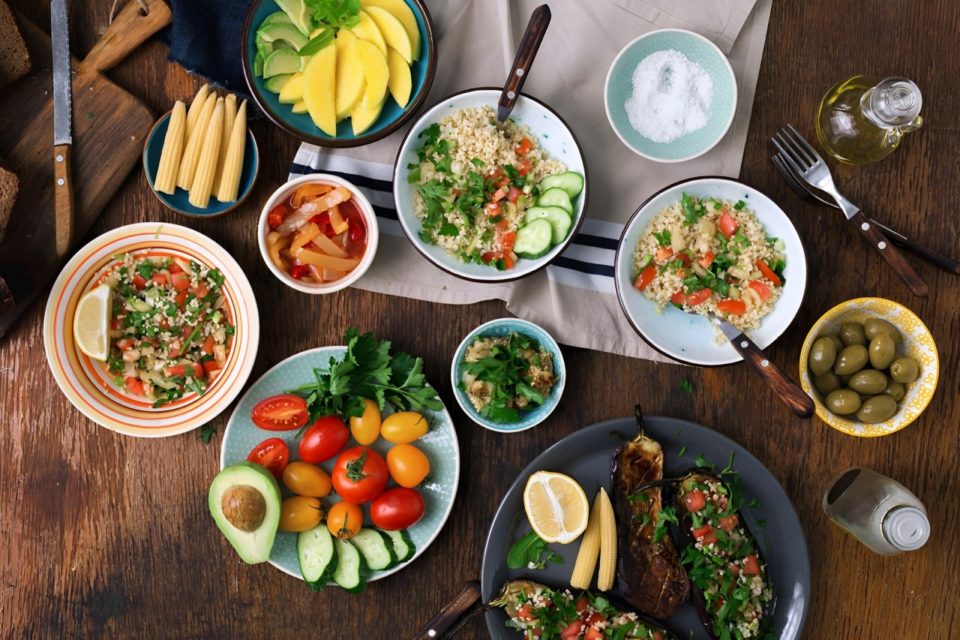
Choosing a vegetarian diet is a great way to focus on eating more plants and less meat. Whether you’re thinking about your health, the environment, or animal welfare, there are many types of vegetarian diets to choose from. With so many choices available, it can be challenging to determine which one suits you best. In this article, we’ll explore seven types of vegetarian diets and help you decide which might be the best fit for your lifestyle.
1. Lacto-Ovo Vegetarian Diet
The Lacto-Ovo vegetarian diet is one of the most popular forms of vegetarianism. People who follow this diet do not eat meat, fish, or poultry, but they do consume dairy products and eggs.
Foods Included:
Fruits, vegetables, grains, nuts, seeds, dairy products (like milk, cheese, and yoghurt), and eggs.
Best For:
People who want to avoid meat but still want to include animal products like eggs and dairy in their diet.
Benefits:
This diet provides a good source of protein and calcium from dairy and eggs, making it easier to meet your nutritional needs without meat.
2. Lacto Vegetarian Diet
Lacto vegetarians avoid meat, fish, poultry, and eggs, but they include dairy products in their diet.
This diet is common in many cultures and offers a variety of foods to enjoy.
Foods Included:
Fruits, vegetables, grains, nuts, seeds, and dairy products (like milk, cheese, and yoghurt).
Best For:
Individuals who want to avoid meat and eggs but are okay with consuming dairy products.
Benefits:
The inclusion of dairy products can help with getting enough calcium and vitamin D, which are important for bone health.
3. Ovo Vegetarian Diet
Ovo vegetarians do not eat meat, fish, poultry, or dairy products, but they do consume eggs. This diet is a good option for those who are lactose intolerant or who prefer not to consume dairy.
Foods Included:
Fruits, vegetables, grains, nuts, seeds, and eggs.
Best For:
People who want to avoid dairy and meat but still want to include eggs in their diet.
Benefits:
Eggs are a good source of high-quality protein and essential vitamins like B12, which can be harder to get on a fully plant-based diet.
4. Vegan Diet
The vegan diet is one of the strictest forms of vegetarianism. Vegans do not consume any animal products, including meat, fish, poultry, dairy, eggs, and honey.
Foods Included:
Fruits, vegetables, grains, nuts, seeds, legumes, and plant-based alternatives like almond milk or tofu.
Best For:
Individuals who want to fully eliminate animal products from their diet for health, ethical, or environmental reasons.
Benefits:
A vegan diet is rich in fibre, vitamins, and antioxidants, and it’s been linked to lower risks of heart disease, high blood pressure, and certain cancers.
5. Flexitarian Diet
The Flexitarian diet, also known as semi-vegetarian, is a mostly plant-based diet but allows for occasional consumption of meat and other animal products.
Foods Included:
Fruits, vegetables, grains, nuts, seeds, and limited amounts of meat, fish, poultry, and other animal products.
Best For:
People who want to enjoy the benefits of a vegetarian diet but aren’t ready to give up meat entirely.
Benefits:
This diet offers flexibility and makes it easier for people to transition to eating more plant-based foods without feeling restricted.
6. Pescatarian Diet
Pescatarians follow a vegetarian diet but include fish and seafood in their meals. They do not eat meat or poultry but do consume dairy products, eggs, and fish.
Foods Included:
Fruits, vegetables, grains, nuts, seeds, dairy products, eggs, and fish/seafood.
Best For:
Those who want to enjoy the benefits of a vegetarian diet but want to include fish for added protein and omega-3 fatty acids.
Benefits:
Fish is an excellent source of lean protein and heart-healthy omega-3s, which can be beneficial for cardiovascular health.
7. Raw Vegan Diet
A raw vegan diet merges the principles of veganism with raw foodism. Followers of this diet eat only raw and unprocessed plant foods, meaning they do not cook their food above a certain temperature, typically around 118°F (48°C).
Foods Included:
Fresh fruits, vegetables, nuts, seeds, sprouted grains, and legumes, all in their raw form.
Best For:
Individuals who believe in eating whole, unprocessed foods and want to maximise the nutrients in their diet.
Benefits:
This diet is rich in fruits and vegetables, providing a high intake of vitamins, minerals, and enzymes that can be lost during cooking.
Which Vegetarian Diet is Best?
The best vegetarian diet for you depends on your personal health goals, ethical beliefs, and lifestyle.Here’s a brief guide to help you make a decision.
For Nutritional Balance:
The Lacto-Ovo or Lacto Vegetarian diets are great choices as they provide a balanced intake of nutrients, including protein, calcium, and vitamins B12 and D.
For Ethical Reasons:
The Vegan diet is the most ethical choice if you’re concerned about animal welfare and environmental impact.
For Flexibility:
The Flexitarian diet is perfect if you want the health benefits of a plant-based diet but don’t want to give up meat completely.
For Heart Health:
The Pescatarian diet is beneficial because it includes fish, which is a good source of omega-3 fatty acids that support heart health.
For Maximising Nutrients:
The Raw Vegan diet may appeal to those interested in consuming foods in their most natural and unprocessed form, but it requires careful planning to meet all nutritional needs.
Conclusion
Choosing the right vegetarian diet depends on what works best for you. Whether you’re drawn to the ethical side of veganism, the flexibility of a flexitarian approach, or the balance of a Lacto-Ovo diet, each offers unique benefits. By understanding the differences, you can make an informed choice that aligns with your health goals and lifestyle. Remember, the best diet is one that you can stick with and enjoy, providing all the nutrients your body needs to thrive.
