
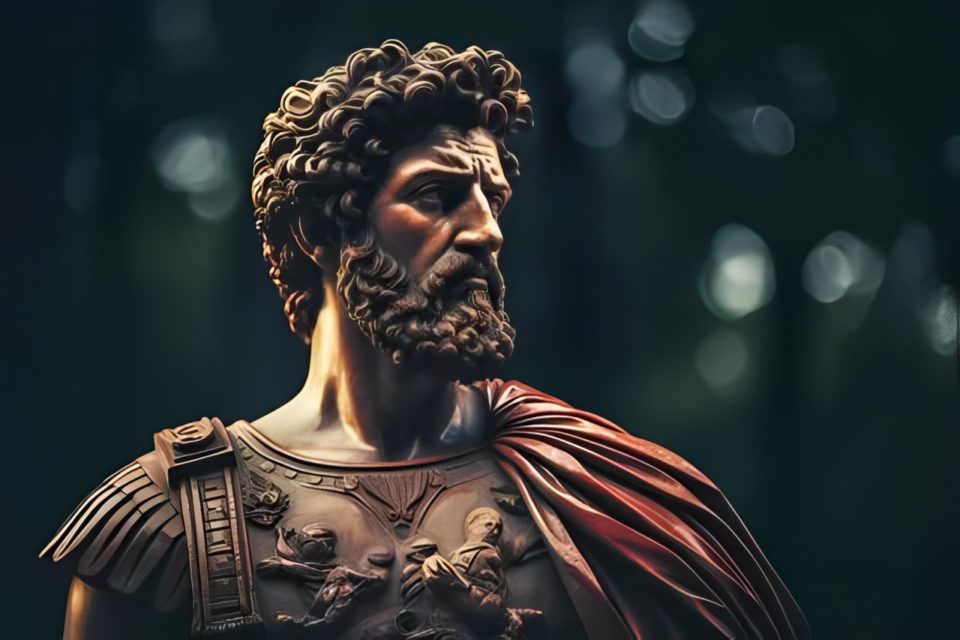
Marcus Aurelius, the Roman Emperor from 161 to 180 AD, is often celebrated not just for his reign but for his profound contributions to philosophy, particularly Stoicism. Known as the “Philosopher King,” Aurelius stands out as a leader who wielded power while adhering to philosophical principles. His life and work embody the intersection of governance and personal integrity, making him a unique figure in history.
The Life of Marcus Aurelius
Born on April 26, 121 AD, in Rome, Marcus Aurelius was raised in a prominent family. His education was steeped in philosophy, rhetoric, and literature, which laid the groundwork for his future as a thinker and ruler. Under the guidance of his tutor, Fronto, he developed a keen interest in Stoicism, a school of thought that emphasizes virtue, reason, and self-control as the keys to a good life.
Aurelius ascended to the throne as co-emperor with Lucius Verus, and later ruled alone. His reign was marked by military struggles, notably the Marcomannic Wars against various Germanic tribes. Despite the pressures of leadership and warfare, Aurelius maintained a philosophical outlook, using his writings to reflect on the nature of duty, the impermanence of life, and the importance of virtue.
Stoicism and Leadership
According to Stoicism, individuals should direct their energy toward things they can influence and learn to accept those they cannot. This perspective profoundly influenced Aurelius’s leadership style. In his seminal work, Meditations, Aurelius articulates his thoughts on the nature of existence, the significance of inner peace, and the necessity of rational thought.
Acceptance of Fate: Aurelius often reflects on the Stoic idea of accepting fate. He believed that challenges and adversities are part of life, and instead of resisting them, one should adapt and respond with virtue. This acceptance allowed him to maintain a calm demeanor during crises, leading his army and managing the empire with resilience.
Duty and Responsibility: Aurelius felt a deep sense of duty toward his role as emperor. He viewed his leadership not as a privilege but as a responsibility to serve the Roman people. His writings emphasize the importance of fulfilling one’s role with integrity, regardless of personal desires or external pressures.
Virtue Above All: For Aurelius, the pursuit of virtue was paramount. He believed that a ruler should embody the values of wisdom, justice, courage, and moderation. This commitment to virtue guided his decisions and interactions, both in warfare and governance.
Reflections in Meditations
Aurelius’s Meditations serves as a testament to his Stoic beliefs and offers a glimpse into the mind of a ruler grappling with the complexities of life and leadership. Written as a series of personal reflections, the text addresses themes such as the fleeting nature of existence, the importance of self-discipline, and the need for compassion toward others.
One of the most poignant aspects of Meditations is Aurelius’s emphasis on the interconnectedness of all people. He encourages readers to view themselves as part of a larger community, advocating for kindness and understanding in human interactions. This philosophy remains relevant today, encouraging a sense of empathy and social responsibility.
Legacy of Marcus Aurelius
Marcus Aurelius’s legacy extends beyond his philosophical writings. His reign is often viewed as a high point of the Roman Empire, characterized by stability, cultural achievement, and relative peace. However, his philosophical contributions have had a lasting impact on Western thought, influencing countless leaders, thinkers, and ordinary individuals seeking guidance in their lives.
Aurelius’s approach to leadership, emphasizing the balance between power and ethics, continues to resonate in contemporary discussions about governance and personal integrity. His life serves as a reminder that true leadership is not merely about authority but about wisdom, compassion, and a commitment to the greater good.
Conclusion
Marcus Aurelius exemplifies the ideal of the Philosopher King, where the responsibilities of leadership are intertwined with the pursuit of philosophical understanding. His ability to govern with wisdom while adhering to Stoic principles sets him apart as a unique figure in history. Through his writings, Aurelius invites us to reflect on our own lives, urging us to cultivate virtue, accept our circumstances, and act with integrity. In a world still grappling with the challenges of leadership and morality, Marcus Aurelius remains a guiding light, reminding us of the enduring power of philosophy in shaping our lives and societies.
