
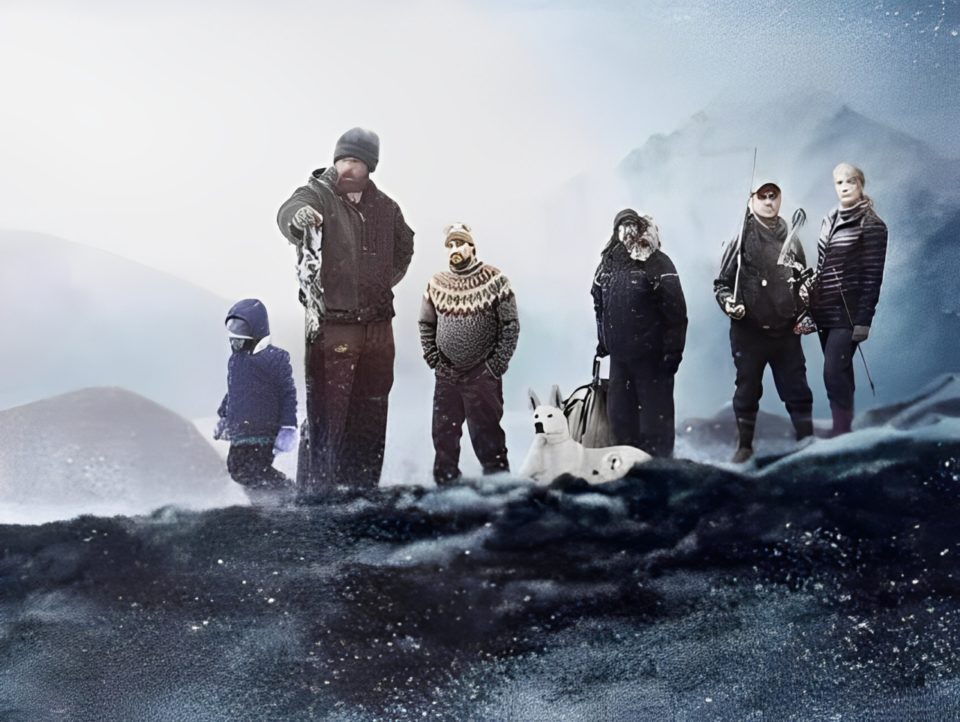
When people think of the harshest winters in the U.S., they often picture Alaska. However, the Midwest faces its own brutal version of life below zero. With bone-chilling temperatures, relentless snowstorms, and icy winds sweeping across the plains, Midwesterners have mastered the art of survival in extreme cold. The region’s unforgiving climate shapes daily life, demanding resilience, preparation, and a strong sense of community to endure the long, frigid months.
The Brutal Reality of Midwest Winters
Winter in the Midwest is not just a season—it’s a way of life. From North Dakota to Michigan, temperatures can plummet well below zero, with wind chills making it feel even colder. Snow can fall for days at a time, burying roads, homes, and vehicles under thick blankets of white. Blizzards and ice storms are common, often disrupting daily life and posing serious hazards. Many people experience power outages, frozen pipes, and dangerously slick road conditions. Residents must prepare for months of freezing temperatures, stockpiling food, winterizing homes, and ensuring they have backup heat sources.
Beyond the physical challenges, Midwest winters also take a mental toll. The long, dark days and extreme cold can lead to seasonal affective disorder (SAD), a form of depression that affects many during the winter months. People must find ways to stay active, maintain social connections, and create cozy indoor environments to combat the winter blues.
Adapting to the Cold
Surviving life below zero requires resilience, resourcefulness, and preparation. Here’s how Midwesterners cope with the extreme cold:
Layering Up
The key to staying warm is layering. Residents wear moisture-wicking base layers to keep sweat off the skin, insulating mid-layers to retain body heat, and windproof outer layers to block the freezing wind. Accessories like insulated gloves, thick socks, and thermal hats are essential. Some even rely on heated clothing and hand warmers to fight off the chill. Learning the right combination of layers can mean the difference between comfort and frostbite.
Winter-Proofing Homes
To combat freezing temperatures, Midwesterners insulate their homes, seal drafts, and invest in efficient heating systems. Many also keep emergency supplies on hand, including generators, extra blankets, and non-perishable food. Some homeowners rely on wood-burning stoves as a backup heating source, ensuring they can stay warm even during power outages. Additionally, frozen pipes are a common concern, so people insulate plumbing, allow faucets to drip, and keep cabinets open to circulate warm air.
Vehicle Preparation
Driving in Midwest winters is no small feat. Ice-covered roads, whiteout conditions, and blizzards make travel dangerous. Residents equip their cars with winter tires, keep emergency kits in their vehicles, and learn defensive driving techniques for icy conditions. These kits typically include blankets, a flashlight, non-perishable food, and a shovel in case they get stranded. Many also carry sand or kitty litter to provide traction if their car gets stuck in deep snow.
Car batteries often struggle in extreme cold, so many Midwesterners carry portable jump starters or rely on block heaters to keep engines from freezing. Learning how to drive safely on icy roads is essential, as sudden braking or fast turns can lead to dangerous accidents.
Outdoor Survival Skills
For those who work or spend time outdoors, knowing how to recognize frostbite and hypothermia is crucial. Hunters, farmers, and outdoor enthusiasts use insulated gear, hand warmers, and emergency shelters to stay safe. Wearing the right gear and knowing when to seek shelter can make all the difference in extreme conditions.
Winter sports enthusiasts also prepare for emergencies, carrying survival gear such as emergency blankets, fire-starting kits, and GPS devices. Some even take specialized winter survival training courses to ensure they can handle unexpected situations in the wilderness.
The Community Spirit
Despite the harsh conditions, Midwest winters foster a strong sense of community. Neighbors check in on one another, towns organize winter festivals, and schools teach children how to stay safe in the cold. People embrace the winter through ice fishing, skiing, and snowmobiling, turning the season into an opportunity for adventure. Snowplow drivers work tirelessly to keep roads clear, and volunteers step up to help those in need.
The extreme weather also strengthens social bonds. Families gather around fireplaces, host game nights, and cook hearty comfort foods to stay warm. Many towns celebrate winter with ice sculpture festivals, polar plunges, and sled dog races, turning the season into a time of connection rather than isolation.
The Beauty of the Midwest Winter
While the cold can be brutal, the Midwest winter has a unique beauty. The landscape transforms into a winter wonderland, with frost-covered trees, sparkling snowdrifts, and frozen lakes perfect for ice skating. The Northern Lights occasionally make an appearance, painting the night sky with dazzling colors. Many find solace in the stillness of a snowy morning, the crisp air, and the breathtaking views of untouched wilderness.
Wildlife adapts in fascinating ways. Deer forage through snow-covered fields, foxes burrow into insulated dens, and birds fluff their feathers to trap heat. Despite the challenges, nature continues to thrive, offering stunning sights for those willing to brave the cold.
Conclusion
Life below zero in the Midwest is a testament to human endurance and adaptability. While the frigid temperatures can be unforgiving, the resilience and camaraderie of Midwesterners make winter a challenge they not only survive but often embrace. Whether it’s through smart preparation, strong community ties, or sheer determination, the people of the Midwest prove that life in extreme cold is not just possible—it can even be rewarding. The ability to find joy in the harshest of conditions, to build traditions around the cold, and to forge strong relationships in the face of adversity makes the Midwest winter an unforgettable experience.
