
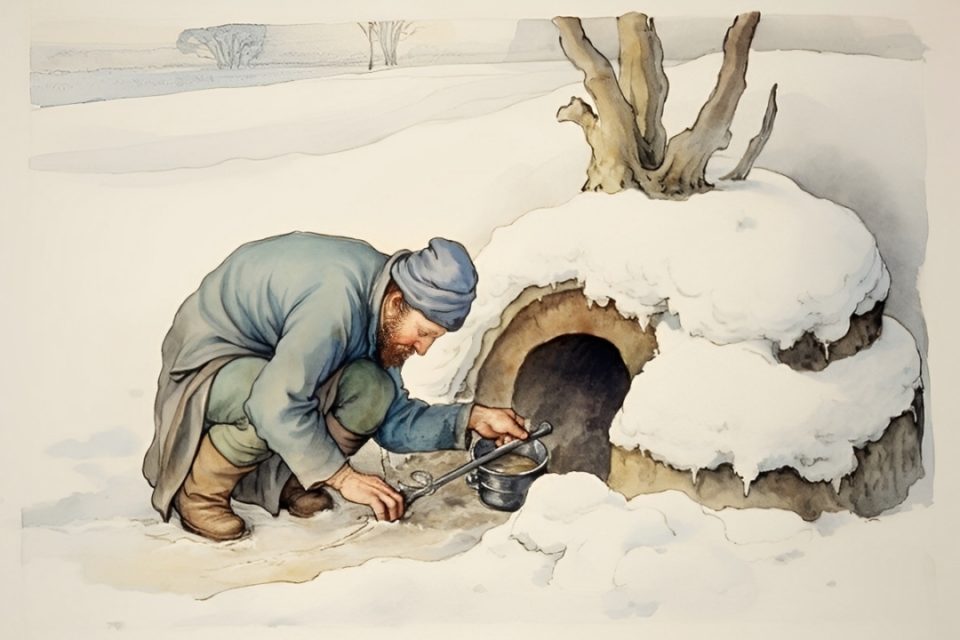
Winter in the Middle Ages was a season of hardship, particularly for peasants and those without wealth or power. Without modern heating, insulated homes, or advanced medical care, people had to rely on ingenuity, community support, and resourcefulness to survive the harshest months. Despite these challenges, medieval society developed various methods for staying warm, securing food, and maintaining health throughout the winter season.
Shelter and Heating
Medieval homes varied greatly depending on social class. The wealthy lived in stone castles or manor houses, while peasants resided in simple wooden or wattle-and-daub cottages.
Castles and Manor Houses: These large structures, while impressive, were difficult to heat. Open hearths provided warmth, but heat distribution was uneven. Tapestries, thick rugs, and heavy drapes were used to insulate walls and windows. Lords and their families often gathered in the great hall, the warmest room, to share body heat and warmth from the fireplace.
Peasant Homes: Poorer families lived in single-room huts with thatched roofs. A central hearth served as the primary source of heat and cooking. To retain warmth, livestock were often kept inside during the winter, providing both body heat and a readily available food source.
Clothing and Layering
Winter clothing was crucial for survival. People layered garments made of wool, linen, and fur to trap body heat.
Undergarments: Linen shifts and woolen tunics provided a base layer for warmth.
Outer Garments: Cloaks, hooded capes, and fur-lined coats were essential for braving the elements.
Footwear and Accessories: Thick leather shoes lined with fur or straw helped protect against frostbite, while gloves, mittens, and hats reduced heat loss.
Food Preservation and Storage
With fresh produce unavailable in winter, medieval people relied on preserved food. Methods included:
Salting and Smoking: Meats, particularly pork, were salted or smoked to extend shelf life.
Drying and Pickling: Fruits, vegetables, and fish were dried or pickled for long-term storage.
Grain Storage: Flour and grains like wheat, rye, and barley were kept in sealed containers to prevent spoilage and rodent infestations.
Dairy and Root Vegetables: Cheese and butter were made during warmer months and stored for winter consumption. Root vegetables such as turnips, carrots, and onions lasted longer when stored in cool, dry places.
Health and Medicine
Winter illnesses, such as colds, pneumonia, and malnutrition, were common. Without modern medicine, people turned to herbal remedies and traditional treatments.
Herbal Remedies: Garlic, honey, and onions were used to treat coughs and infections.
Hot Beverages: Spiced wines and herbal teas helped warm the body and provided relief from cold symptoms.
Superstitions and Beliefs: Some medieval people believed that amulets or religious relics could protect against illness.
Work and Daily Life
Despite the harsh weather, work continued in winter, though activities were limited compared to warmer months.
Agricultural Work: Farmers focused on repairing tools, tending to livestock, and planning for the next planting season.
Indoor Trades: Blacksmiths, weavers, and other craftsmen worked indoors to create goods needed for daily life.
Social Gatherings: Winter was also a time for community bonding, with feasts, religious celebrations, and storytelling helping to pass the long nights.
Community and Mutual Aid
Survival often depended on cooperation. Villages shared resources, food, and warmth. Those struggling were supported through almsgiving, church aid, or communal meals. The feudal system also played a role, as lords provided sustenance and shelter to their serfs in exchange for labor.
Conclusion
Surviving winter in the Middle Ages required careful preparation, resourcefulness, and community support. Despite lacking modern conveniences, medieval people developed effective strategies to endure harsh winters, proving that resilience and ingenuity are timeless human traits.
