
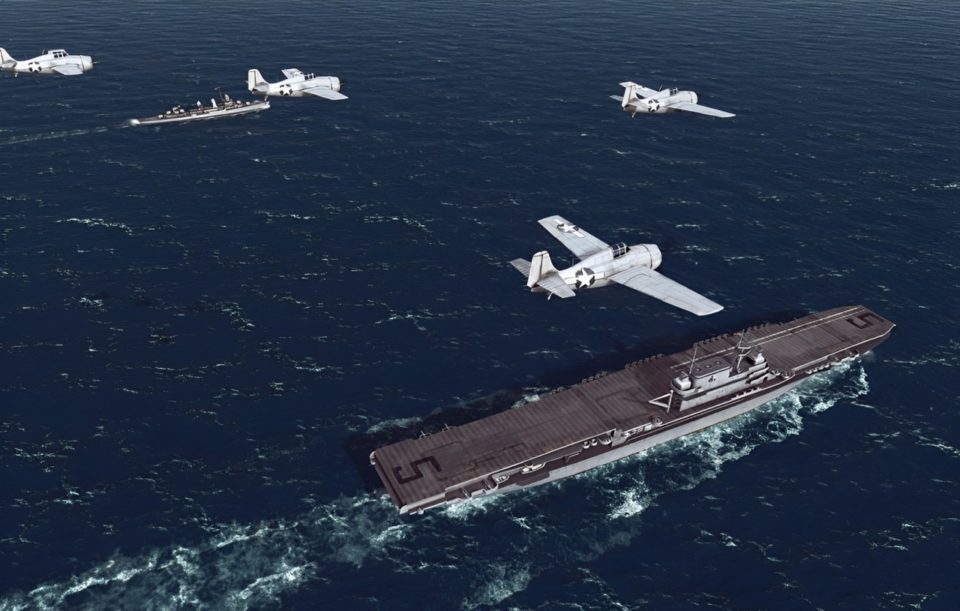
The interplay between land and sea in military strategy has shaped countless wars throughout history. The ability to control maritime spaces has consistently proven to be a decisive factor in achieving land-based objectives. From ancient empires to modern conflicts, dominating the seas has offered critical advantages that can tip the scales in a land war.
Here’s how controlling the sea becomes a game-changing strategy in land warfare.
Securing Supply Lines
Armies on land rely on steady supplies of food, ammunition, and reinforcements. Controlling the sea allows for secure and efficient transportation of resources to sustain troops.
Historical Example: During World War II, Allied control of the Atlantic ensured a steady flow of troops and supplies from the U.S. to Europe, crucial for the success of the D-Day invasion.
Modern Implications: Naval dominance enables logistical support for land operations, particularly for nations engaged in overseas campaigns.
Cutting Off Enemy Supplies
Sea control isn’t just about ensuring your own supply lines; it’s also about disrupting the enemy’s. Blockades and naval dominance can strangle an opponent’s ability to sustain their forces on land.
Historical Example: The Union Navy’s blockade of Confederate ports during the American Civil War crippled the South’s economy and war effort.
Tactical Edge: By cutting off trade routes or supply shipments, controlling the sea can weaken an adversary’s land-based capabilities.
Amphibious Assaults
The ability to transport troops and equipment across seas for land invasions is a strategic advantage. A well-coordinated amphibious assault can open new fronts, surprise the enemy, and change the course of a war.
Historical Example: The Allied landings in Normandy (D-Day) in 1944 showcased how sea control enabled the largest amphibious invasion in history, leading to the liberation of Europe from Nazi control.
Strategic Value: Amphibious capabilities allow for rapid deployment and the creation of pressure points on enemy defenses.
Protecting Coastal Territories
For nations with extensive coastlines, sea control is vital for preventing enemy landings. Naval forces can patrol and defend against invasions, ensuring the safety of critical coastal regions.
Modern Example: Countries like Japan and the United Kingdom rely on naval strength to secure their islands from potential threats.
Defensive Advantage: Controlling the sea serves as a barrier, protecting inland areas from attacks.
Leveraging Naval Firepower for Land Support
Modern navies are equipped with advanced missile systems and artillery capable of supporting land-based operations. Naval forces can provide bombardment, destroy enemy fortifications, and disrupt troop movements.
Historical Example: During the Gulf War, U.S. naval ships launched Tomahawk missiles to weaken enemy positions before ground forces advanced.
Force Multiplier: Naval firepower extends the reach of land forces, giving them a significant edge in combat.
Gaining Intelligence and Reconnaissance
Control of the seas allows for superior surveillance of enemy movements and strategic assets. Naval vessels, drones, and submarines can gather critical intelligence, giving commanders a better understanding of enemy plans.
Modern Example: Aircraft carriers and reconnaissance ships play a pivotal role in monitoring adversary activity in contested regions like the South China Sea.
Strategic Insight: Information gained through naval dominance can guide land-based strategies and prevent surprises.
Psychological and Economic Impact
Dominating the seas has a profound psychological effect on both adversaries and allies. It demonstrates strength and undermines enemy morale while boosting confidence among allied forces.
Economic Warfare: Sea control also enables economic blockades, crippling the enemy’s ability to fund their war efforts by restricting trade and resource access.
Conclusion
Winning a war on land often begins with mastering the seas. From securing supply lines to launching amphibious assaults, controlling the maritime domain provides unparalleled strategic advantages that can shape the outcome of land-based conflicts.
History has shown time and again that nations with strong naval capabilities hold the upper hand in warfare. Whether in ancient battles or modern military campaigns, the ability to dominate the seas remains a cornerstone of effective military strategy. By leveraging the power of the ocean, land victories become not only possible but inevitable.
