
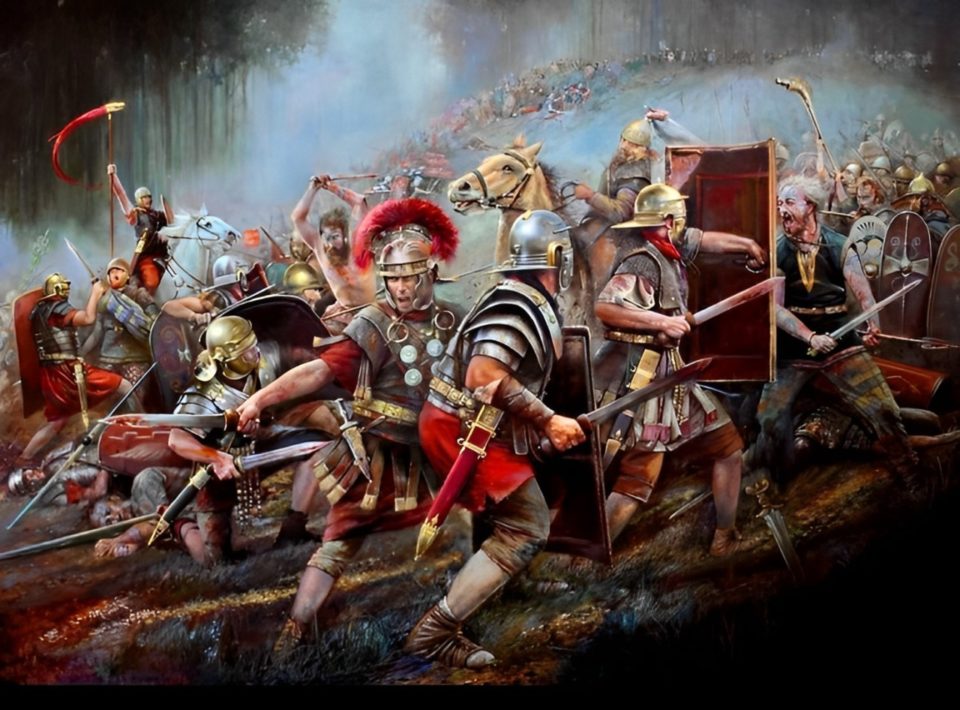
The rise of Christianity in the Roman Empire marked a significant turning point in religious and cultural history. What began as a small sect within Judaism grew into a major faith that would eventually reshape the Roman world. However, this transition was not without conflict. In the early centuries of Christianity, the Roman authorities viewed the new faith with suspicion and hostility. This article explores how the Romans fought against Christianity, the reasons behind their opposition, and the eventual transformation of the empire into a Christian stronghold.
Historical Context: The Roman Empire and Its Religious Landscape
To understand the Roman response to Christianity, it’s essential to recognize the empire’s existing religious environment. Roman society was polytheistic, with a pantheon of gods and goddesses representing various aspects of life. Religion was deeply intertwined with the state, and worshiping the Roman gods was seen as a civic duty.
The early Christians, however, promoted the worship of one God and rejected the traditional Roman pantheon. This refusal to participate in state-sponsored religious practices was viewed as a challenge to the established order, leading to tensions between Christians and Roman authorities.
Persecutions: The Roman Response to Christianity
The Romans employed various strategies to combat the spread of Christianity, which included persecution, propaganda, and legal measures.
Legal Persecutions
Initially, Christians were often tolerated within the empire. However, as their numbers grew and they continued to refuse participation in traditional Roman worship, the authorities began to implement laws against them. The Edict of Nero in 64 AD marked one of the first official persecutions, following the Great Fire of Rome. Nero scapegoated Christians, blaming them for the disaster and subjecting them to brutal punishments.
Throughout the first three centuries, various emperors, including Domitian, Decius, and Diocletian, initiated widespread persecutions. These emperors sought to eliminate Christianity through torture, execution, and confiscation of property. Christians were often thrown to the lions in arenas, used as human torches, or subjected to forced labor in harsh conditions.
Propaganda and Disinformation
The Roman government also used propaganda to discredit Christians. They labeled them as subversive, atheistic, and morally corrupt. Rumors circulated that Christians engaged in cannibalism and other nefarious activities during their secretive gatherings, fueling public fear and distrust. This disinformation campaign aimed to turn the populace against Christians and maintain the status quo.
Reasons for Roman Opposition
Several factors motivated the Roman response to Christianity:
Threat to Social Order
Christianity’s emphasis on monotheism and its rejection of traditional Roman gods challenged the religious and social fabric of the empire. Romans viewed this as a potential threat to civic unity and stability, fearing that the rise of Christianity could lead to social unrest.
Political Concerns
The early Christians’ refusal to worship the emperor and participate in state rituals was interpreted as a rejection of Roman authority. In a time when loyalty to the emperor was paramount, Christians’ beliefs were seen as subversive.
Cultural Resistance
The spread of Christianity also represented a cultural shift that many Romans resisted. As a new religion with distinct beliefs and practices, it threatened traditional Roman values and customs.
The Resilience of Early Christians
Despite the intense persecution, early Christians demonstrated remarkable resilience and courage. Many viewed suffering for their faith as a badge of honor, and countless martyrs emerged as symbols of faith and commitment. The stories of martyrs, such as Saint Stephen and Polycarp, inspired others to embrace Christianity, even in the face of death.
Communities of Christians often supported each other, creating networks of resilience. They held secret gatherings, shared resources, and offered spiritual guidance, fostering a sense of belonging and solidarity.
The Turning Tide: The Edict of Milan
The tide began to turn in the early 4th century with Emperor Constantine’s Edict of Milan in 313 AD, which granted religious tolerance to Christians. This marked a significant shift in the Roman approach to Christianity, recognizing it as a legitimate religion within the empire.
Constantine himself converted to Christianity and became a significant patron of the faith. This transformation ultimately culminated in the Council of Nicaea in 325 AD, which sought to unify Christian doctrine and establish a cohesive Christian identity.
Legacy: From Persecution to Dominance
The Roman efforts to suppress Christianity ultimately failed, as the faith continued to spread and gain followers. By the end of the 4th century, Christianity became the state religion of the Roman Empire, profoundly influencing European history and culture.
The legacy of Roman persecution serves as a reminder of the struggles faced by early Christians and the resilience of faith in the face of adversity. Today, the story of Christianity’s rise in the Roman Empire is a testament to the enduring power of belief and the capacity for change, even in the most challenging circumstances.
Conclusion
The Romans fought against Christianity with various tactics, including persecution, propaganda, and legal measures. Their attempts to suppress the faith were fueled by concerns over social order, political authority, and cultural integrity. However, despite intense opposition, early Christians demonstrated remarkable resilience, ultimately transforming their persecutors’ empire into a bastion of Christianity. The story of this struggle is not just one of conflict but also of hope, endurance, and the transformative power of faith.
