
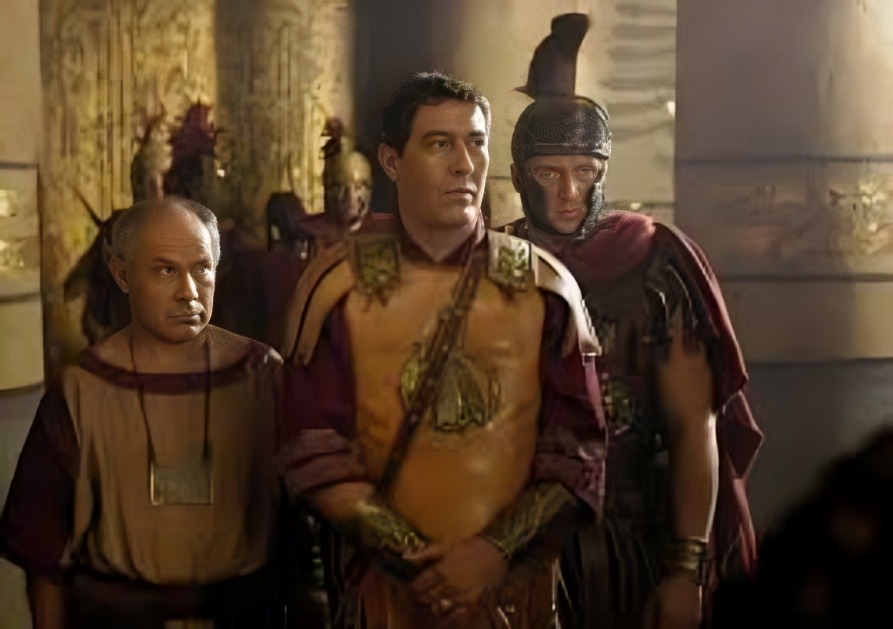
In ancient Rome, slavery was a deeply entrenched institution, woven into the fabric of society and economy. With millions of slaves spread across the empire—working in homes, fields, mines, and public projects—it’s no surprise that many sought escape. But running away wasn’t easy. Rome had an elaborate system for tracking down fugitive slaves, and the consequences for those who dared to flee were often brutal.
So how exactly were runaway slaves caught in ancient Rome? Here’s how the empire responded to rebellion—not with mercy, but with relentless control.
The “Fugitive Slave” Notice System
One of the first lines of defense against escaped slaves was a surprisingly familiar tactic: missing person ads. Known as tituli, these were written notices posted in public spaces like markets, baths, and city walls. They included:
- A description of the runaway’s appearance
- Their name (if known)
- Their master’s name
- A reward for return, often in coins
Sometimes these notices included threats like “whoever harbors him will be punished” or promised money for information leading to the capture. They functioned much like “wanted” posters and made it difficult for runaways to blend into urban life undetected.
Slavery Collars: Escape Deterrents Worn in Public
To discourage flight and aid in recovery, many slaves—especially those who had previously attempted to flee—were forced to wear metal collars engraved with identification. These collars often included inscriptions like:
“I have run away. Hold me. If you return me to my master Zoninus, you will be rewarded.”
These were essentially walking billboards announcing the wearer’s status as property and reducing their chances of successful escape. Slavery collars were meant to humiliate and control—and they were highly effective in doing so.
Professional Slave Catchers
Rome had a class of people whose job was to track and return runaway slaves. Known as fugitivarii, these individuals operated similarly to bounty hunters. Wealthy masters would pay them to track down fugitives, especially if the slave had high value—such as being skilled in medicine, education, or accounting.
Fugitivarii were resourceful and ruthless. They used local informants, forged networks, and even bribed other slaves to gather intelligence. Once a fugitive was caught, they were usually bound and returned in chains—or sometimes beaten publicly to set an example.
Branding and Tattoos
To make escape more difficult, some Roman masters resorted to branding or tattooing their slaves. These marks—typically on the forehead or hands—could declare the slave’s status or owner, making it nearly impossible for them to pose as free citizens.
It was a form of permanent identification—and a deeply dehumanizing practice.
Harsh Punishments as a Warning
Once caught, runaway slaves often faced brutal punishments:
- Flogging or whipping
- Branding with a hot iron
- Forced labor in mines or galleys, which was effectively a death sentence
- Crucifixion in the most extreme cases, especially if the escape was part of a larger rebellion
These punishments weren’t just acts of vengeance—they were messages to the entire slave population: freedom is not for you.
Urban vs. Rural Escape
It’s worth noting that urban slaves had slightly better odds of escape. The crowded cities of Rome or Alexandria offered places to hide, and some managed to vanish into the underworld of laborers, criminals, and freedmen. Occasionally, escaped slaves even passed themselves off as free.
Rural slaves, however, had far fewer options. Surrounded by fields, forests, or mountains, and constantly under surveillance, they were easier to track and harder to hide. Escaping from a farm or mine often meant a long journey on foot with little hope of success.
Runaway Slave Rebellions: A Bigger Threat
While most escapes were individual attempts, there were notable mass uprisings. The most famous is the Spartacus rebellion (73–71 BCE), in which thousands of slaves escaped and waged war against Rome for two years. These events terrified Roman elites and led to harsher crackdowns, stricter surveillance, and widespread fear of future revolts.
After Spartacus was defeated, 6,000 captured slaves were crucified along the Appian Way—a horrific display meant to end all dreams of escape.
Conclusion
In ancient Rome, slavery wasn’t just tolerated—it was protected by an entire legal, economic, and cultural system. The empire depended on the labor of its enslaved people, and any challenge to that system was met with swift, calculated force.
Runaway slaves were hunted, marked, and punished not because they were dangerous, but because their desire for freedom threatened the illusion of Roman control.And yet—they still ran.Because even in the darkest systems, the human spirit longs to be free. And that longing, however dangerous, never truly dies.
Would you like a version of this formatted for a historical blog, video narration, or classroom handout?
