
When we picture Ancient Rome, we often imagine sunny Mediterranean days, white togas, and sandals. But the Roman Empire spanned regions far colder than the warm Italian heartland—stretching as far north as Britain and parts of Germany, where winters were long and harsh. So how did the Romans dress for the cold? Let’s step back in time and unwrap the layers of winter fashion in ancient Rome.
Cloaks: The First Line of Defense Against the Cold
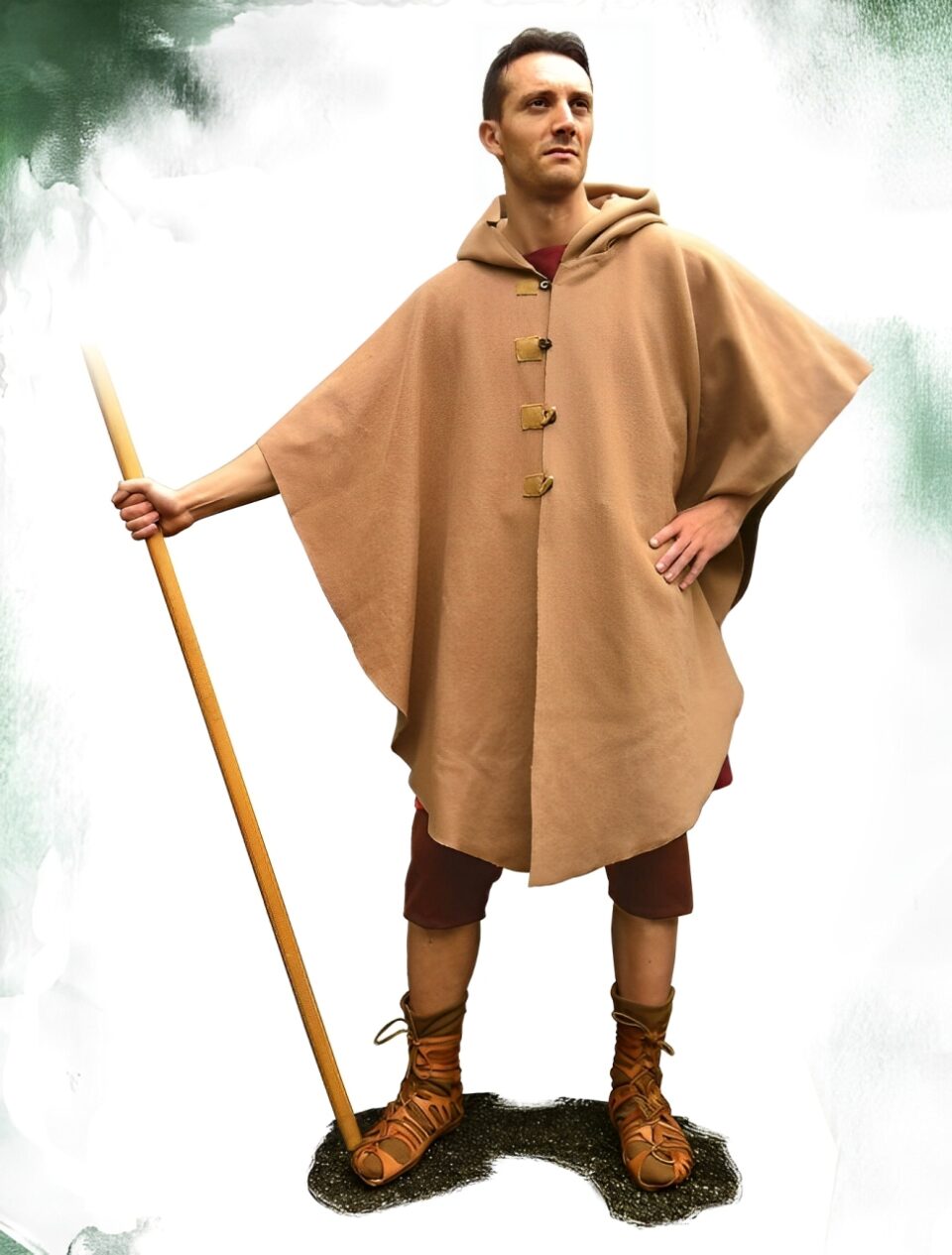
In winter, the toga—Rome’s iconic draped garment—was often swapped out or layered with heavier, more practical cloaks. The most common of these was the paenula, a woolen cloak with a hood that protected both civilians and soldiers from rain and cold. It resembled a modern-day poncho and was especially useful in damp or snowy weather.
Another popular cloak was the lacerna, a more stylish garment worn over a tunic and fastened with a brooch. Wealthier Romans might line their cloaks with fur or use thicker, finer wool for added warmth and status.
Tunics: The Base Layer
Underneath the cloaks, Romans wore tunics, typically made of wool. In winter, men and women alike would wear multiple layers, often switching to long-sleeved versions for better coverage. Soldiers and workers might wear shorter tunics for mobility, while aristocrats chose longer ones that could be layered with undergarments.
Footwear: More Than Just Sandals
While sandals were the norm in warmer months, Romans wore enclosed shoes or boots during colder seasons. These might be made of leather and lined with wool or fur. Soldiers in northern provinces wore caligae—military boots—with socks or wrappings made of wool, linen, or felt to keep their feet warm.
Archaeological finds in Roman Britain and Germany include evidence of sock-like garments, and some shoes even had nail-studded soles for traction on icy ground.
Head and Hands: Protection Where It Counts
Head coverings weren’t especially fashionable in Rome’s early days, but practicality eventually won out in colder provinces. Romans wore hooded cloaks or wrapped woolen scarves and clothes around their heads.
Gloves were uncommon but not unheard of. Soldiers and travelers in harsh conditions sometimes used fingerless mittens or woolen wraps to protect their hands while still being able to work or fight.
Materials and Colors: Style Meets Function
Wool was the main winter fabric, with linen and even felted wool being used for underlayers or socks. The wealthy might use imported fabrics like silk for inner linings or finer wool dyed in rich colors such as purple, red, or green. For commoners, undyed or earth-toned clothing was more typical.
Military Gear for Cold Climates
Roman soldiers posted in cold regions were equipped with specialized clothing, including:
- Heavy woolen cloaks (sagum)
- Layered tunics
- Animal skin coverings
- Leg wrappings (fasciae crurales) to protect from frostbite
They also adapted local styles—for example, adopting trousers (braccae) from the Gauls, which were considered un-Roman but necessary for warmth.
Conclusion
While Roman fashion often emphasized formality and status, winter demanded practicality. From thick woolen cloaks to enclosed shoes and layered tunics, the Romans found ways to adapt their dress to even the most unforgiving climates of the empire. Whether marching through snowy Britain or running errands in a chilly Roman suburb, they knew how to stay warm—and stylish.
