
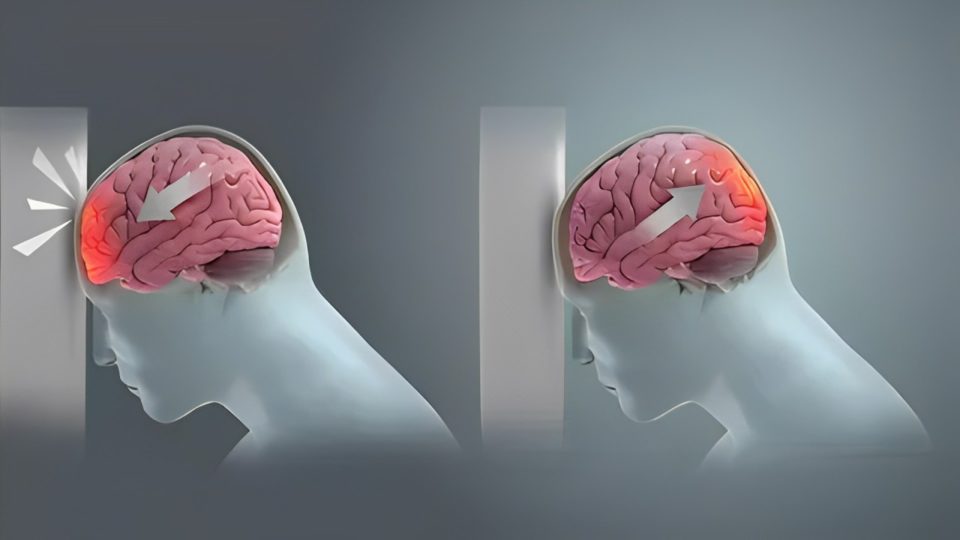
A concussion is not just “getting your bell rung”—it’s a serious injury that affects both the brain and life in unexpected ways. After experiencing one myself, I quickly realized that my approach to playing sports and even daily activities needed to change. It wasn’t just about the physical toll; it forced me to reflect on my priorities and rethink the way I engaged in competition.
The Moment Everything Changed
It was a routine game—one I’d played countless times before. But this time, an unexpected collision left me disoriented. I felt dizzy and nauseous, and my head throbbed with a strange heaviness. At first, I tried to shrug it off and keep playing, telling myself it was just a minor knock. But as the hours passed, I knew something wasn’t right. My focus was off, and simple tasks became a struggle.
The official diagnosis: a concussion. At that moment, I thought the hardest part would be sitting out for a few games. What I didn’t realize was how deeply this injury would affect not just my recovery, but my entire mindset about playing sports.
The Long Road to Recovery
Recovering from a concussion isn’t just about taking a few days off—it’s a slow, frustrating process. Screen time became unbearable, my memory faltered, and even normal conversations felt draining. I had to limit physical activity and avoid anything that could trigger my symptoms.
I used to think rest was for the weak, but I quickly learned that healing the brain required patience. Pushing myself too hard too soon made my symptoms worse. It wasn’t just about getting back on the field—it was about regaining control over my thoughts, energy, and emotions.
Rethinking My Play Style
Before the concussion, my play style was all about intensity. I gave every game 110%, chasing victory at any cost. But after the injury, I began to question whether that approach was sustainable. Was it worth risking my long-term health for the sake of a win?
I realized that being reckless didn’t make me a better player—it made me more vulnerable. I started focusing more on strategy and technique, learning that playing smarter could be just as effective as playing harder. I no longer threw myself into situations that could lead to another injury.
Learning to Listen to My Body
One of the biggest lessons I learned was the importance of listening to my body. Before the concussion, I ignored pain, fatigue, and mental exhaustion, seeing them as obstacles to overcome. Now, I understand that those signals are my body’s way of asking for rest and care.
It’s okay to sit out a game or take a break if something doesn’t feel right. Playing through pain doesn’t make someone a hero—it can make recovery harder and risks long-term damage. I’ve learned to respect my limits and give myself permission to recover without guilt.
Balancing Passion with Caution
I still love the sport, but my relationship with it has changed. I no longer play with reckless abandon. Instead, I focus on balance—giving my best effort while also protecting my health. I’ve found joy in being more intentional with my movements, relying on teamwork, and playing with precision rather than aggression.
This experience also made me more aware of how we glorify toughness in sports. There’s a difference between perseverance and recklessness, and it’s important to recognize that taking care of yourself is not a sign of weakness—it’s a sign of strength.
A New Perspective on Success
Success, I’ve realized, is not just about winning—it’s about staying healthy enough to play another day. It’s about enjoying the process, learning from mistakes, and being mindful of how you approach the game. Playing with purpose, rather than pressure, has made me a better and more fulfilled athlete.
Conclusion
My concussion was a wake-up call—a reminder that sports should be about joy and self-improvement, not reckless sacrifice. While I still enjoy the thrill of competition, I now approach the game with more caution and care.
For anyone who has experienced an injury or is pushing themselves too hard, I encourage you to rethink your play style. Listen to your body, respect your limits, and remember that your health is your most valuable asset. Playing smart doesn’t mean you love the game any less—it just means you’re playing for the long run.
In the end, the goal isn’t just to win—it’s to keep playing, growing, and thriving both on and off the field.
