
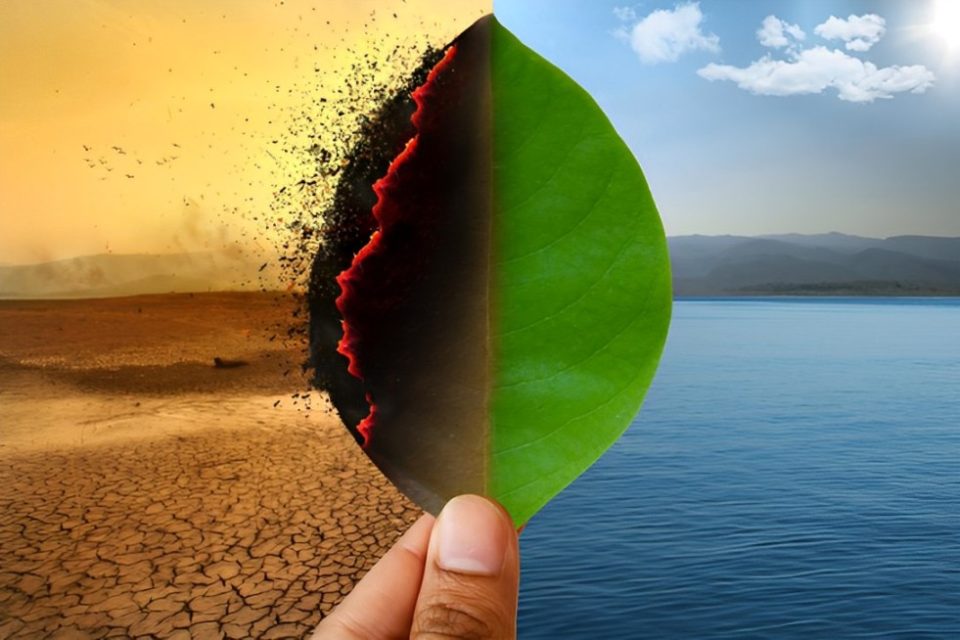
When people think of climate change, they often imagine rising temperatures, melting glaciers, and scorching heat waves. But the reality is far more complex. Massive snowstorms, such as those dumping seven feet of snow in certain regions, are not contradictory to climate change—in fact, they can be direct consequences of it.
Understanding Climate Change and Snowstorms
Climate change refers to significant alterations in global weather patterns over time, largely driven by human activities such as burning fossil fuels and deforestation. While a warming planet might seem at odds with heavy snowfall, the relationship between the two is more intricate than it appears.
How Warmer Temperatures Lead to More Snow
Increased Atmospheric Moisture
Warmer air holds more moisture. When this moisture-laden air collides with cold fronts, it can result in intense snowfall. Regions accustomed to moderate snow might suddenly experience unprecedented accumulation because the atmosphere is primed with excess moisture.
Disruption of Polar Vortex
Climate change has destabilized the polar vortex, a band of cold air that typically stays near the poles. As it weakens, cold air can plunge into areas that are unprepared for such frigid conditions, leading to extreme snowstorms.
Shifting Weather Patterns
The warming of the Arctic has altered jet streams—fast-moving air currents that influence weather. This change can cause storms to linger longer over certain areas, dumping more snow than usual.
The Paradox of Cold Extremes in a Warming World
The idea that climate change only causes warming is a misconception. Instead, it amplifies existing weather patterns, making both hot and cold extremes more severe. The same global mechanisms driving heat waves can also lead to record-breaking snowfall.
For instance, the 2014 polar vortex brought Arctic-like conditions to the United States, while other regions faced droughts and heatwaves—all linked to the same shifting climate systems.
Real-World Examples
Buffalo, New York (2022)
A snowstorm buried Buffalo under nearly seven feet of snow, paralyzing the city. Experts linked this event to climate-driven shifts in the jet stream and warmer-than-average Great Lakes temperatures.
Siberian Snowfall (2013)
Parts of Siberia experienced record snowfall during what should have been a moderate winter. The event coincided with Arctic warming and changes in atmospheric pressure systems.
Implications for the Future
Infrastructure Challenges
Cities and regions unaccustomed to heavy snowfall may struggle with preparedness, leading to disruptions in transportation, power outages, and economic losses.
Agricultural Impact
While snow can insulate crops and provide moisture, excessive snowfall can delay planting seasons and damage infrastructure, affecting food supplies.
Human Safety and Adaptation
Severe storms increase risks for people living in affected areas. Improved forecasting, emergency preparedness, and sustainable urban planning are essential to minimize impacts.
What Can Be Done?
Reduce Carbon Emissions
Cutting greenhouse gases remains the most effective way to mitigate climate change. Governments, industries, and individuals must prioritize sustainable practices.
Invest in Resilient Infrastructure
Buildings, roads, and power systems need to be designed with extreme weather in mind, including both heatwaves and snowstorms.
Enhance Public Awareness
Education about the link between climate change and unusual weather patterns can help dispel myths and promote proactive action.
Conclusion
Seven feet of snow might seem like an anomaly in the face of a warming planet, but it’s a stark reminder of the unpredictable consequences of climate change. These events are not just weather quirks—they are signals of a larger, more complex transformation in our climate system.
Rather than dismissing such phenomena as isolated events, we must recognize them as calls to action. Whether it’s melting glaciers or towering snowbanks, the effects of climate change are here, urging humanity to adapt and mitigate for a sustainable future.
