
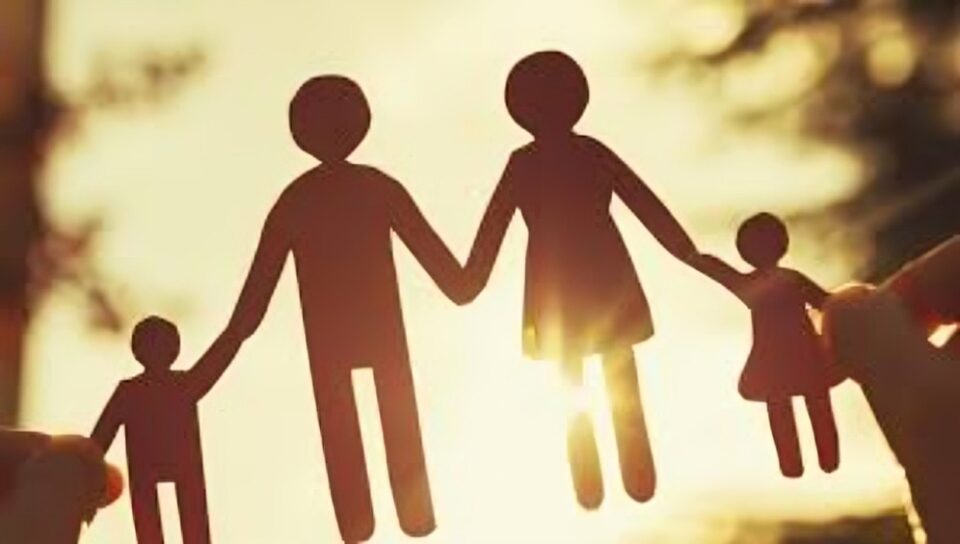
Not all families are born from blood. Some are forged through experience, shared struggle, kindness, and the decision to love one another despite a lack of genetic ties. For many of us, the traditional idea of family—parents, siblings, and a childhood filled with unconditional love—just didn’t materialize. But what I’ve learned is this: you can create your own family. You can curate connections.
And I did.
A Different Kind of Loneliness
Growing up, I often felt like an outsider in my own home. While others spoke of dinner table laughter, comforting embraces, and dependable support, my reality was one of emotional distance and unmet needs. I wasn’t neglected in the obvious ways—there was food on the table, a roof over my head—but the warmth, the safety, the belonging? That was missing.
There’s a particular kind of loneliness that comes from being surrounded by people who are supposed to know you but don’t. That loneliness made me believe, for a long time, that family was something I just didn’t get to have.
The Turning Point: Choosing Worthiness
The first step in curating my own family wasn’t about finding the right people—it was about realizing I was worthy of love. Not transactional love. Not conditional affection. Real love. That realization took years and a lot of healing. But once I accepted that I deserved meaningful connection, the world started to shift.
I stopped chasing approval from those who couldn’t give it. I stopped shrinking to fit into relationships that demanded silence or self-sacrifice. Instead, I began to notice the quiet, loyal people already in my life—the ones who listened, who showed up, who stayed.
Curating My Circle
Creating a chosen family isn’t like flipping a switch. It’s more like tending a garden. You plant small seeds of trust, water them with honesty, and remove the weeds of toxicity and emotional inconsistency.
My chosen family includes:
- Friends who became siblings — those who sat with me in silence when I had no words and who laughed with me so hard it hurt.
- Mentors who became parental figures — steady voices of wisdom who saw potential in me even when I couldn’t.
- Partners who offered safety — not just romantic, but emotional safety: the freedom to be all of who I am without fear.
- Even strangers — some who made brief but meaningful appearances at moments I needed human kindness the most.
Each of these people brought something essential. None of them were obligated by blood or tradition. They chose me—and I chose them back.
Rituals and Roots
One of the most powerful ways I reinforced my chosen family was by creating rituals. Birthday dinners, random check-ins, movie nights, text threads that ran for years. These became our version of family traditions—touchstones in a chaotic world.
We didn’t need the same last name to build roots. What we needed was consistency. Trust. A shared commitment to showing up.
Letting Go of the “Ideal”
One of the hardest parts of this journey was grieving the family I wished I had. There’s real pain in letting go of the fantasy that your biological family will one day become what you needed. I had to accept the limitations of those relationships while still holding compassion.
But once I let go of the need for perfection, I saw the beauty in what I had built. It wasn’t always tidy. It wasn’t conventional. But it was real. And real is enough.
Conclusion
“Family” isn’t just a noun—it’s a verb. It’s something you do. You show up. You listen. You forgive. You celebrate. You grow.
Creating my own family was not an accident; it was an act of courage. It meant learning to love myself enough to attract people who loved me back—deeply, truly, without condition.
So if you feel like you don’t belong to anyone, know this: you can curate connection. You can create your own circle. You can write your own definition of family.
And when you do, it might just be the most powerful thing you ever build.
