
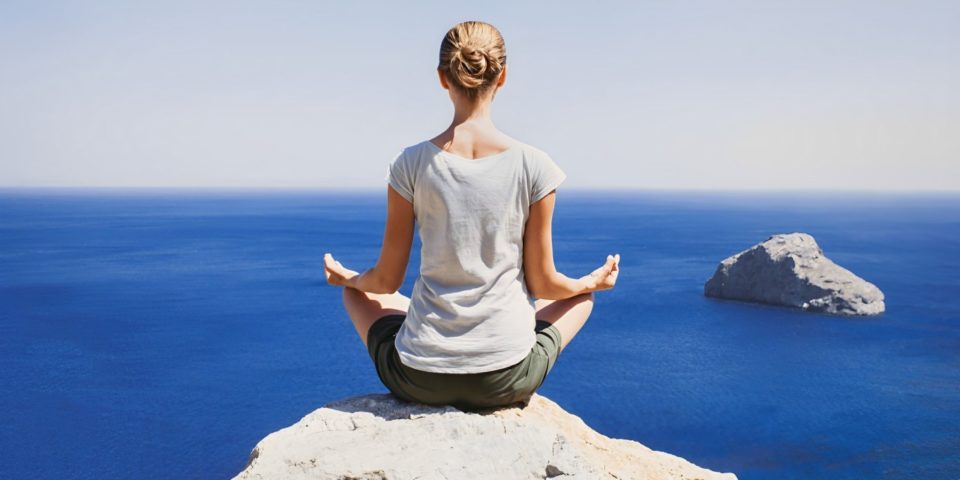
In today’s fast-paced world, balancing mental and emotional well-being is essential for living a fulfilling life. For women, who often juggle multiple roles and responsibilities, mindfulness offers a pathway to inner peace and resilience. By cultivating presence and self-awareness, women can find harmony amid life’s demands.
Here are some powerful practices to help achieve mental and emotional balance.
Start Your Day with Intention
How you begin your day sets the tone for everything that follows. Starting with mindfulness can help you feel grounded and prepared for whatever comes your way.
Practice:
Spend 5–10 minutes in the morning focusing on your breath or repeating an affirmation like, “I am calm, capable, and grounded.”
Visualize your day unfolding with ease and grace, acknowledging the challenges you might face while staying connected to your inner strength.
Create Time for Self-Reflection
Journaling or simply sitting quietly with your thoughts can help you understand your emotions and reactions. Reflection helps to identify patterns and triggers that may disrupt your balance.
Practice:
Dedicate 15 minutes a day to writing about your feelings, accomplishments, or challenges.
Ask yourself reflective questions, such as: What brought me joy today? What lessons did I learn?
Practice Emotional Awareness
Understanding your emotions is key to managing them. By paying attention to how you feel and accepting your emotions without judgment, you can navigate life’s ups and downs with greater ease.
Practice:
Pause during the day to check in with yourself: What am I feeling right now? Why might I be feeling this way?
Use techniques like deep breathing or body scans to connect with and release emotional tension.
Prioritize Mindful Movement
Movement isn’t just for physical health; it’s also a way to reconnect with your body and release emotional stress. Whether it’s yoga, dancing, or simply walking, mindful movement can be transformative.
Practice:
Take a 10-minute mindful walk, focusing on the sensations of each step and the rhythm of your breath.
Try a gentle yoga practice that emphasizes connecting movement with breathing.
Establish Digital Boundaries
In an era dominated by technology, it’s easy to become overwhelmed by constant notifications and the pressure of being always available. Setting boundaries with devices is crucial for mental clarity.
Practice:
Schedule screen-free periods during your day, especially before bedtime.
Replace mindless scrolling with intentional activities like reading, meditating, or spending time in nature.
Connect with Your Inner Strength
Mindfulness is about more than stress reduction; it’s also about recognizing your resilience. By fostering self-compassion and self-belief, you empower yourself to handle life’s challenges.
Practice:
Use affirmations that resonate with your journey, such as “I am enough,” or “I am capable of overcoming difficulties.”
Recall past challenges you’ve faced and reflect on the strengths you used to navigate them.
Nurture Supportive Relationships
Emotional balance is also shaped by the people around us. Mindfulness can improve the quality of your relationships by fostering genuine connection and presence.
Practice:
When talking to a loved one, give them your full attention. Listen without judgment and respond with empathy.
Express gratitude regularly to strengthen bonds and acknowledge the importance of the people in your life.
Conclusion
Achieving mental and emotional balance is a continuous process, not a destination. By incorporating these mindfulness practices into your daily life, you create space for clarity, resilience, and joy.
The mindful woman recognizes her worth, embraces her emotions, and nurtures her inner peace. Through mindfulness, you can navigate life with grace, finding balance in both the chaos and the calm.
