
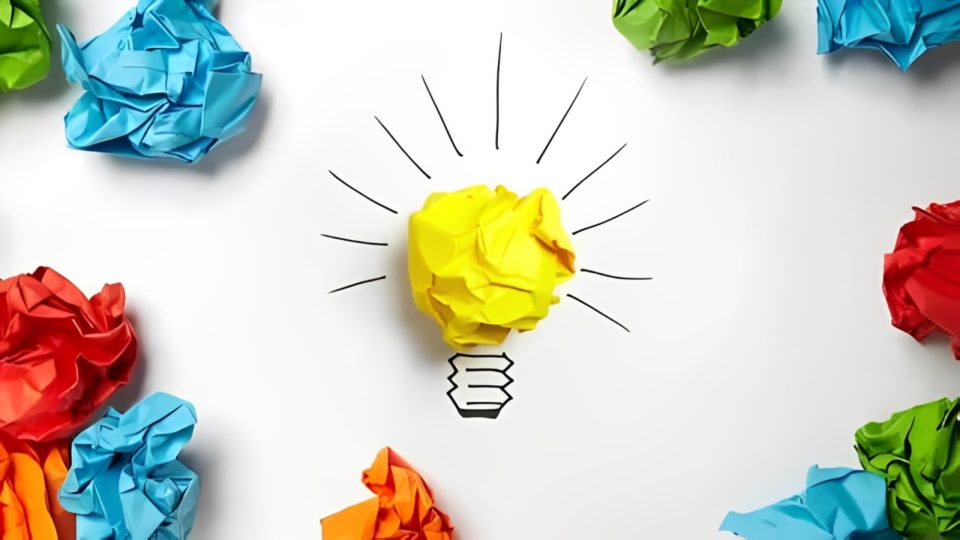
Creativity is often romanticized as a mystical talent or an innate gift, but at its core, creativity is the art of making mistakes and learning from them. It’s a process of exploration, experimentation, and embracing the unexpected. Mistakes, rather than being setbacks, are the stepping stones to innovation and artistic expression.
Mistakes as Opportunities
In creative pursuits, mistakes are not failures but opportunities to uncover something new. History is replete with examples of accidental discoveries that led to groundbreaking innovations. For instance, penicillin, one of the most important medical discoveries, was born from Alexander Fleming’s accidental contamination of a petri dish. Similarly, many artistic masterpieces owe their uniqueness to unintended strokes or deviations from the original plan.
When viewed through a creative lens, mistakes become a catalyst for thinking outside the box. They challenge preconceived notions and force us to look at problems from new angles. By embracing mistakes, creators can push boundaries and redefine possibilities.
The Fear of Perfection
One of the greatest barriers to creativity is the fear of making mistakes. Perfectionism can stifle innovation, as it prioritizes flawless execution over experimentation. When we become overly concerned with avoiding errors, we limit our capacity to explore uncharted territory.
True creativity thrives in imperfection. It allows room for trial and error, for messy beginnings that gradually evolve into refined ideas. The act of creating is inherently unpredictable, and accepting this unpredictability is key to unlocking one’s creative potential.
Embracing the Process
Creativity is not just about the end result; it’s about the journey. Mistakes are an integral part of this journey, serving as guideposts that shape the final outcome. Artists, writers, scientists, and innovators often describe their creative process as iterative—a cycle of creating, failing, learning, and improving.
For example, an author might write multiple drafts, each filled with errors and missteps, before arriving at a polished manuscript. A painter might layer over unintended marks, transforming them into integral parts of the artwork. In every field, the willingness to embrace and learn from mistakes is what distinguishes successful creators.
Cultivating a Growth Mindset
To view mistakes as opportunities, it’s essential to adopt a growth mindset—the belief that abilities and intelligence can be developed through effort and learning. This mindset encourages experimentation and resilience, both of which are crucial for creative endeavors.
When mistakes occur, instead of asking, “What did I do wrong?” ask, “What can I learn from this?” This shift in perspective transforms mistakes from sources of frustration into valuable lessons. It fosters a sense of curiosity and openness, which are the lifeblood of creativity.
The Power of Playfulness
Playfulness is another vital aspect of creativity. Children, for example, approach the world with a sense of wonder and experimentation, unafraid of making mistakes. They build towers that collapse, draw outside the lines, and invent imaginary worlds. This uninhibited exploration is a reminder that creativity flourishes when we allow ourselves to play and experiment without fear of judgment.
By adopting a playful attitude, we can rekindle our innate creative spark. Mistakes become part of the game, encouraging us to take risks and explore new ideas.
Conclusion
Creativity is not about perfection; it’s about persistence. It’s the art of making mistakes, embracing them, and transforming them into something extraordinary. Mistakes are not roadblocks but stepping stones—essential elements of the creative process that lead to growth, innovation, and self-discovery.
By letting go of the fear of failure and embracing the unexpected, we can unlock our creative potential and redefine what it means to create. After all, it is in the imperfections that true beauty and originality often emerge.
