
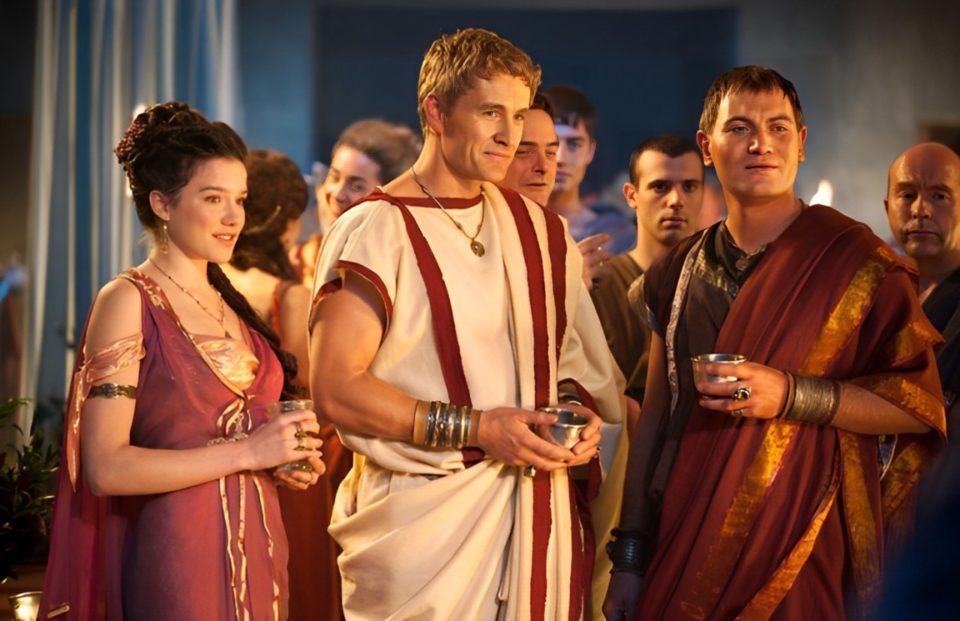
Spartacus, the Thracian gladiator who led one of the largest slave revolts in Roman history, remains a captivating figure. The rebellion, known as the Third Servile War (73–71 BCE), was remarkable in scope and audacity. But one question has lingered in historical debates: Could Spartacus have taken Rome?
Despite his military prowess and the fear he inspired among the Roman elite, Spartacus and his forces never attempted a direct assault on the city of Rome. In this article, we’ll explore whether Spartacus had the potential to conquer the Roman capital and what challenges would have stood in his way.
A Brief Overview of Spartacus’s Rebellion
Spartacus’s revolt began as an escape from a gladiator school in Capua, where he and around 70 other fighters broke free. As news spread, thousands of slaves, disaffected peasants, and marginalized individuals flocked to his cause. At its peak, the rebel army swelled to tens of thousands, posing a significant threat to the Roman Republic.
Rather than dispersing or making for safety outside Roman territory, Spartacus’s army consistently defeated Roman legions sent to stop them. His victories revealed the weaknesses in Rome’s forces at the time, causing panic among Roman citizens.
Could Spartacus Have Marched on Rome?
Many historians speculate that Spartacus, given his military skill, might have had a chance to storm the city of Rome—especially during a period when the Republic was stretched thin with armies engaged in foreign campaigns. But several factors complicate the idea of Spartacus taking Rome:
Lack of Siege Expertise: Unlike trained Roman armies, Spartacus’s followers were not seasoned in the art of siege warfare. Conquering Rome would have required more than just numbers—it would have involved breaching formidable walls and surviving an urban conflict.
Internal Cohesion Issues: Spartacus’s army was a diverse and loosely organized coalition of slaves and outcasts with varying motives. While they could unite for survival and resistance, it’s unclear if they had the discipline and coordination necessary for a protracted assault on the Roman capital.
Why Didn’t Spartacus Attempt It?
Despite opportunities to march on Rome, Spartacus chose instead to move south toward the Italian coast, with the aim of escaping to freedom beyond the Roman Republic’s reach. Historians believe that Spartacus’s primary goal was not conquest but liberation—he sought to lead his followers out of Italy, potentially to their homelands.
Some accounts suggest that Spartacus recognized the difficulty of holding Rome, even if he managed to capture it. The Roman Republic was known for its resilience; even after catastrophic defeats, it repeatedly rallied and came back stronger. Spartacus likely understood that capturing Rome would only invite a relentless counterattack by Roman legions.
The Roman Response
Even without an assault on Rome, Spartacus’s rebellion deeply unnerved the Roman elite. After several Roman defeats, the Senate assigned Marcus Licinius Crassus to put down the uprising. Crassus’s brutal tactics, including crucifying rebels and employing harsh discipline among his troops, ultimately forced Spartacus into a final confrontation in southern Italy.
The Battle of the Siler River marked the end of the revolt, with Spartacus falling in combat and the majority of his forces being killed or captured.
What If Spartacus Had Taken Rome?
Had Spartacus made the bold decision to march on Rome and succeeded, the consequences would have been monumental—but short-lived. Even if the capital fell, the Roman military machine was vast and well-organized. Generals like Pompey and Crassus, stationed in other parts of the empire, would have quickly regrouped to reclaim the city.
Moreover, Spartacus’s followers, primarily slaves and freedmen, lacked the infrastructure and political structure needed to govern the city or consolidate power. It’s likely that even if Spartacus had taken Rome, it would have been an unsustainable victory.
Conclusion
While Spartacus’s revolt was a significant threat to Rome, the idea of him successfully taking the city remains unlikely. His army, though large and motivated, lacked the experience, resources, and political framework to hold and govern the capital. Spartacus’s goal was freedom, not conquest, and in the end, his decision to avoid a direct assault on Rome may have been a practical recognition of the rebellion’s limits.
Despite his ultimate defeat, Spartacus’s legacy endures. His fight for freedom against the might of Rome has inspired countless generations, symbolizing resistance against oppression and the pursuit of liberty. Though Spartacus did not march on Rome, his story remains a powerful reminder that even the most marginalized individuals can shake the foundations of an empire.
