
Why Is Winter Arriving Late in Pakistan? 7 Surprising Reasons Behind the Changing Weather
For many people in Pakistan, winter is one of the most anticipated seasons of the year. From enjoying warm cups of tea and traditional winter foods to wearing cosy sweaters and experiencing chilly mornings, winter brings a special kind of excitement. However, in recent years, many Pakistanis have noticed something unusual: the familiar winter chill does not always arrive when expected.
Instead of experiencing cold temperatures in October or early November, several parts of the country continue to experience relatively warm days. Even when December approaches, people in some regions still wait for the temperatures to drop significantly.
This has raised an important question: Why is winter arriving late in Pakistan?
The changing weather patterns have become a growing concern for farmers, environmental experts, health professionals, and ordinary citizens. Although seasonal variations are normal, rising temperatures, changing rainfall patterns, urbanisation, and broader climate change may be influencing how Pakistan experiences winter.
Understanding why winter is arriving late in Pakistan requires looking beyond everyday weather conditions. Several environmental and atmospheric factors may be contributing to this change.
Let’s explore seven surprising reasons behind Pakistan’s changing winter season and understand what these changes could mean for the country’s future.
1. Climate Change Is Making Winter Arrive Late in Pakistan
One of the most important factors behind winter arriving late in Pakistan is climate change.
Climate change refers to long-term shifts in temperature, rainfall, and other weather patterns. Human activities, particularly burning fossil fuels, industrial pollution, deforestation, and increasing greenhouse gas emissions, are contributing to global warming.
As the planet becomes warmer, seasonal temperatures are also changing.
Pakistan is particularly vulnerable to climate-related risks. The country experiences extreme heatwaves, irregular rainfall, devastating floods, droughts, and changing seasonal patterns.
According to the Intergovernmental Panel on Climate Change (IPCC), human influence has unequivocally warmed the atmosphere, ocean, and land.
This warming can affect how quickly temperatures fall during autumn and how cold winter becomes.
How Does Climate Change Affect Pakistan’s Winter?
Climate change can influence winter conditions in several ways:
- Higher average temperatures: Warmer background temperatures can make autumn and early winter feel less cold.
- Changing seasonal patterns: The timing and intensity of seasonal transitions can vary.
- Unusual temperature fluctuations: Some areas may experience warm periods even during traditionally colder months.
- Changing precipitation: Altered rainfall and snowfall patterns can affect regional winter conditions.
However, it is important to understand that climate change does not mean every winter will be warmer everywhere. Individual cold spells can still occur.
Nevertheless, long-term warming makes winter arriving late in Pakistan an increasingly important issue to investigate.
2. Rising Global Temperatures Are Changing Seasonal Patterns
Another significant reason behind winter arriving late in Pakistan is the continuous increase in global temperatures.
The world has experienced substantial warming over recent decades. This affects not only summer temperatures but also the conditions that influence autumn and winter.
When the atmosphere remains warmer for longer, temperatures may take more time to reach the levels people traditionally associate with winter.
Pakistan is not isolated from this global trend.
Cities such as Lahore, Karachi, Islamabad, Multan, and Faisalabad can experience different temperature patterns, but rising background temperatures may influence their seasonal experiences.
Why Are Temperatures Remaining Higher?
Several factors contribute to rising global temperatures:
Greenhouse gas emissions: Carbon dioxide, methane, and other greenhouse gases trap heat in the atmosphere, contributing to global warming.
Industrialisation: Industrial activities and energy production release greenhouse gases and other pollutants.
Transportation: Cars, buses, trucks, and other vehicles contribute to emissions, particularly in heavily populated urban areas.
Deforestation: Removing trees reduces the environment’s ability to absorb carbon dioxide and can affect local temperature and moisture conditions.
The World Meteorological Organization (WMO) provides information about global climate trends and the effects of rising temperatures.
These developments help explain why winter arriving late in Pakistan is part of a much bigger environmental discussion.
3. Urbanisation and Concrete Buildings Are Making Cities Warmer
Have you noticed that some cities remain warmer than surrounding rural areas, even during the evening?
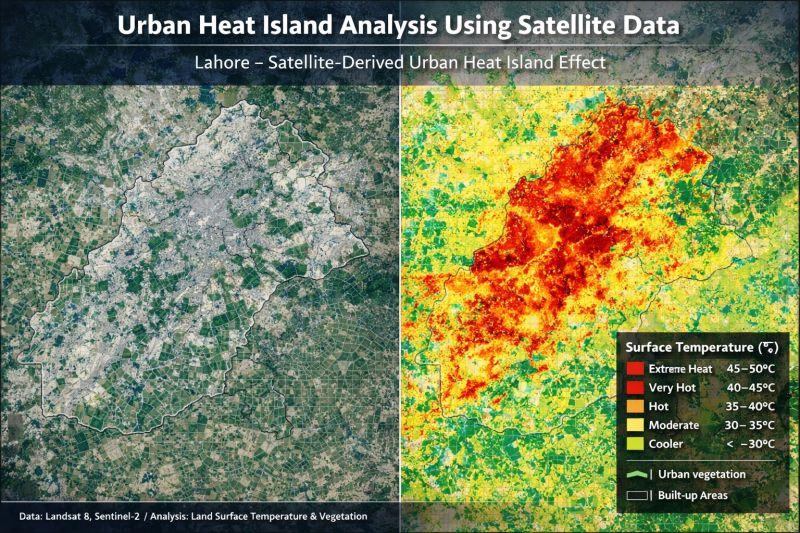
This phenomenon is known as the Urban Heat Island (UHI) effect.
It is another possible contributor to the perception of winter arriving late in Pakistan, particularly in large cities.
Urban areas contain extensive concrete buildings, roads, shopping centres, factories, and other structures that absorb and retain heat.
Unlike natural landscapes, which contain trees, vegetation, and exposed soil, heavily developed urban environments can remain warm long after sunset.
How Does the Urban Heat Island Effect Work?
Consider a city such as Lahore.
During the daytime, sunlight heats roads, rooftops, buildings, and other artificial surfaces. These materials absorb heat and release it gradually.
As a result, temperatures in densely populated neighbourhoods may remain relatively high during the evening and night.
This can make the transition from autumn to winter feel slower.
Some major contributors include:
- Excessive construction and concrete surfaces.
- Reduction in urban green spaces.
- Increasing vehicle traffic.
- Industrial activities.
- Limited tree coverage.
- Poor urban planning.
Karachi, Lahore, Faisalabad, and other rapidly expanding cities may experience different degrees of urban heat island effects.
Does this mean urbanisation is responsible for winter arriving late in Pakistan?
Not entirely. Urbanisation mainly influences local temperatures, while larger atmospheric and climate systems affect regional and national weather patterns.
Nevertheless, the urban heat island effect can make winter feel less intense for millions of people living in major cities.
4. Changing Western Disturbances May Be Affecting Winter Weather
Western disturbances are among the most important weather systems influencing winter conditions in Pakistan.
These are weather systems that generally originate in the Mediterranean and surrounding regions before travelling eastwards towards South Asia.
They bring rainfall to different parts of Pakistan and snowfall to northern and mountainous regions.
For many areas, western disturbances are essential for winter precipitation.
However, changes in their timing, frequency, intensity, and movement can influence the country’s winter weather.
Why Are Western Disturbances Important for Pakistan?
Western disturbances contribute to:
- Winter rainfall in Punjab and other regions.
- Snowfall in northern Pakistan.
- Lower temperatures during certain weather systems.
- Moisture for agricultural activities.
- Water resources that support rivers and reservoirs.
When these systems are weak, delayed, or follow different tracks, some regions may experience fewer cold-weather events or less winter precipitation during particular periods.
This can create the impression that winter is arriving late.
However, the relationship between western disturbances and changing winter conditions is complex. A delayed cold spell cannot automatically be attributed to changes in these systems without examining meteorological data.
The Pakistan Meteorological Department (PMD) provides weather forecasts, climate information, and meteorological updates that can help people understand these developments.
For anyone wondering why winter arriving late in Pakistan has become a popular concern, western disturbances deserve particular attention.
5. El Niño and La Niña Can Influence Pakistan’s Weather
Another factor worth understanding is the El Niño-Southern Oscillation (ENSO).
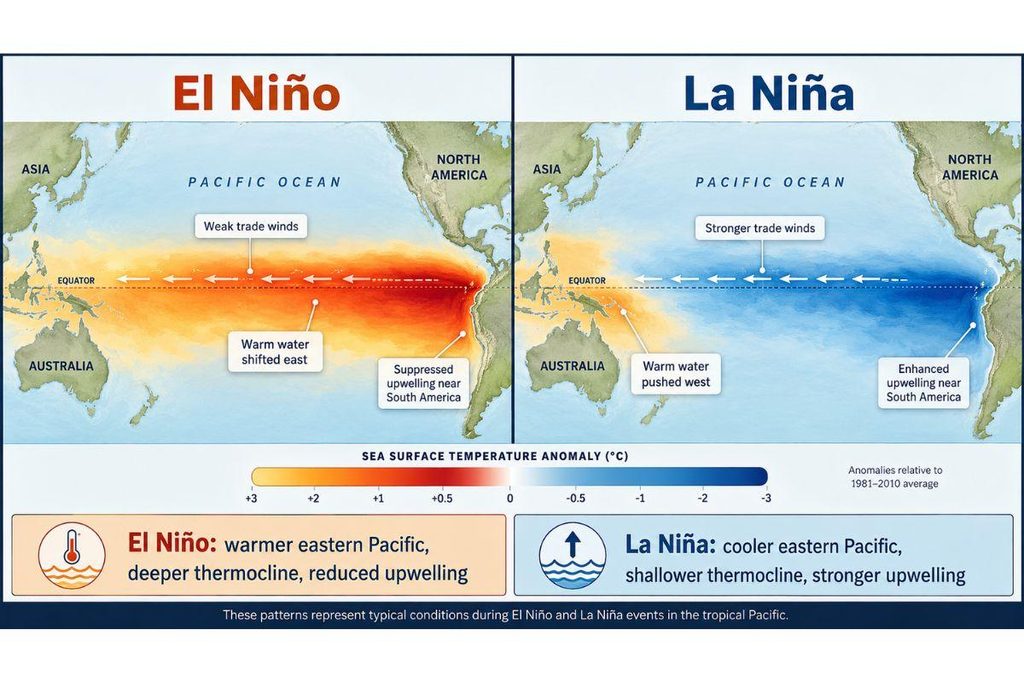
ENSO is a natural climate phenomenon involving changes in sea surface temperatures and atmospheric conditions across the tropical Pacific Ocean.
It has three main phases:
- El Niño
- La Niña
- Neutral conditions
These phases influence global atmospheric circulation and can affect weather patterns in different parts of the world.
Pakistan can also experience indirect influences from these large-scale climate patterns.
What Is the Difference Between El Niño and La Niña?
El Niño: This phase involves unusually warm sea surface temperatures in the central and eastern tropical Pacific Ocean.
La Niña: This phase involves unusually cool sea surface temperatures in the same region.
Neutral conditions: Neither El Niño nor La Niña is dominant.
These conditions can influence rainfall, temperature, and atmospheric circulation across different regions.
However, ENSO does not determine Pakistan’s winter weather on its own. Its effects depend on other atmospheric conditions and can vary between seasons.
For example, one ENSO phase does not guarantee a warm winter across Pakistan, just as another does not guarantee an unusually cold winter.
The National Oceanic and Atmospheric Administration (NOAA) provides useful information about El Niño and its influence on global weather.
Understanding ENSO helps explain why winter arriving late in Pakistan may involve several interconnected natural and human-influenced factors.
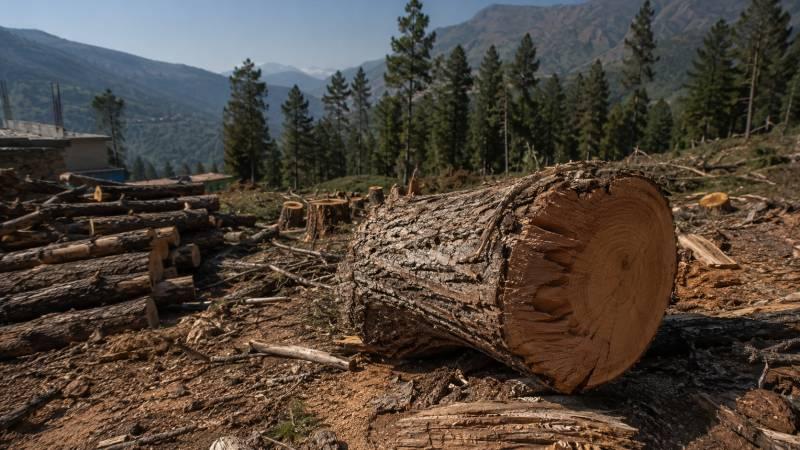
6. Deforestation and Environmental Degradation Are Increasing Climate Pressure
Trees are essential for maintaining a healthy environment.
They absorb carbon dioxide, provide shade, support biodiversity, protect soil, and contribute to the natural water cycle.
Unfortunately, deforestation and environmental degradation remain important challenges in Pakistan.
The expansion of housing societies, commercial developments, agricultural land, and infrastructure can reduce natural vegetation.
When forests and green spaces disappear, the environment loses some of its ability to regulate local temperatures.
How Does Deforestation Affect Winter?
Deforestation can contribute to environmental problems in several ways.
Reduced carbon absorption: Fewer trees mean less natural capacity to absorb carbon dioxide from the atmosphere.
Higher local temperatures: Removing vegetation can increase surface heating, particularly in areas replaced by buildings and roads.
Disturbed water cycles: Changes in vegetation can affect moisture movement, soil conditions, and local hydrological processes.
Loss of biodiversity: Deforestation destroys natural habitats and puts wildlife under pressure.
It is important to distinguish between local environmental effects and nationwide winter patterns. Deforestation alone does not explain delayed winter across Pakistan.
However, combined with greenhouse gas emissions and rapid urban development, environmental degradation increases climate-related pressure.
Pakistan needs stronger forest conservation policies, urban plantation programmes, and sustainable development strategies.
Protecting the environment today can help reduce some of the risks associated with tomorrow’s changing climate.
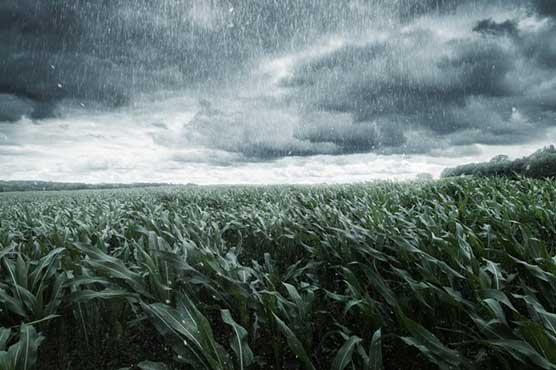
7. Changing Rainfall Patterns and Atmospheric Conditions Are Affecting Winter
Rainfall is another important part of Pakistan’s winter season.
Many people associate the arrival of winter with cloudy skies, cold winds, rainfall, and a noticeable decline in temperatures.
However, when rainfall patterns change, the overall winter experience can also change.
Some regions may receive less winter rainfall during certain periods, while others may experience unusually heavy precipitation.
Cloud cover, wind direction, humidity, and atmospheric circulation all influence daily temperatures.
Why Does Winter Rainfall Matter?
Winter rainfall is important for several reasons.
Agriculture: Many crops depend on suitable winter moisture conditions. Wheat, in particular, is an important winter crop in Pakistan.
Groundwater: Rainfall contributes to groundwater replenishment and supports water availability.
Temperature changes: Rain-bearing weather systems can bring cooler conditions to different regions.
Snowfall: Winter precipitation in northern mountainous areas contributes to snow accumulation, which supports water resources.
When rainfall becomes irregular, farmers may face difficulties managing irrigation and crop development.
The World Bank Climate Change Knowledge Portal for Pakistan provides country-level climate information that can help readers understand Pakistan’s climate risks and historical patterns.
Changing rainfall does not necessarily mean winter will always arrive later. However, it can change when and how people experience cold weather.
This is another reason why winter arriving late in Pakistan should be examined through both temperature and precipitation records.
What Does a Late Winter Mean for Pakistan?
The changing winter season is not simply about people waiting longer to wear warm clothes.
It can have wider consequences for agriculture, public health, water availability, energy consumption, and the economy.
Let’s look at some of the most important effects.
1. Impact on Agriculture
Agriculture is one of Pakistan’s most important economic sectors.
Winter crops, particularly wheat, depend on suitable temperatures and water availability during different stages of growth.
Unusual warmth can influence crop development, while insufficient rainfall can increase irrigation requirements.
If temperatures rise during sensitive growth stages, crop yields may come under pressure.
Farmers may also need to adjust sowing schedules and irrigation practices according to changing weather conditions.
2. Impact on Human Health
Winter is traditionally associated with respiratory illnesses, seasonal infections, and cold-related health problems.
However, unusual temperature fluctuations can create additional health challenges.
People may experience difficulties adapting when temperatures change suddenly between warm afternoons and cold nights.
Air pollution can also become a serious concern in Pakistan’s major cities.
During certain winter conditions, temperature inversions can trap pollutants close to the ground, contributing to poor air quality.
It is important to note that warmer temperatures do not automatically eliminate winter health risks.
3. Impact on Water Resources
Pakistan depends heavily on water from its rivers, reservoirs, rainfall, and snow-fed mountain systems.
Changes in snowfall and precipitation can influence the timing and availability of water.
The northern regions are particularly important because their glaciers and seasonal snow contribute to river flows.
Changing temperatures can affect snow accumulation and melting patterns.
These developments make long-term climate monitoring increasingly important.
4. Impact on Electricity Consumption
Weather conditions influence how people use electricity.
During colder periods, households may use heaters and other heating appliances.
When winter temperatures remain relatively mild, heating requirements may decrease in some areas.
However, energy consumption depends on several factors, including household behaviour, electricity prices, and regional temperatures.
5. Impact on Tourism
Pakistan’s northern areas attract visitors during winter because of their beautiful snowy landscapes.
Destinations such as Murree, Naran, Swat, and Skardu are particularly popular among winter tourists.
Changes in snowfall timing and intensity may affect tourism schedules, road conditions, and local businesses.
A less predictable winter can create challenges for tourism operators and travellers.
Is Winter Actually Disappearing in Pakistan?
One of the biggest questions people ask is whether winter is slowly disappearing from Pakistan.
The short answer is no. Winter is not disappearing completely, but its characteristics may be changing.
Pakistan will continue to experience seasonal temperature differences because of its geographical location, altitude, and atmospheric conditions.
However, the duration, intensity, and timing of cold weather can vary.
Some regions may experience shorter periods of intense cold, while others may continue to receive substantial snowfall and freezing temperatures.
Northern mountainous areas, for example, have very different winter conditions from Karachi and other coastal regions.
It is also important to distinguish between personal observations and scientific evidence.
Someone experiencing a warmer November in Lahore does not necessarily mean the entire country is experiencing a delayed winter.
To establish whether winter is genuinely arriving later, scientists need to examine long-term temperature records, historical averages, rainfall patterns, and seasonal climate data.
The Pakistan Meteorological Department is an important source for monitoring these changes.
What Can Pakistan Do to Address Changing Winter Patterns?
Although individuals cannot control global weather systems, collective environmental action can help reduce the long-term risks associated with climate change.
Pakistan needs practical solutions that address both climate change and local environmental challenges.
Here are some important steps:
1. Increase Tree Plantation
Planting native trees and protecting existing forests can improve environmental conditions.
Cities should also invest in parks, green belts, and urban forests.
2. Reduce Air Pollution
Cleaner transportation, better industrial regulations, and renewable energy can help reduce harmful emissions.
3. Promote Renewable Energy
Solar and wind energy can reduce dependence on fossil fuels when properly integrated into the energy system.
4. Improve Water Management
Better irrigation systems, rainwater harvesting, and water conservation can help communities prepare for changing rainfall patterns.
5. Strengthen Climate Research
Pakistan needs reliable weather monitoring, improved forecasting systems, and accessible climate information.
6. Encourage Public Awareness
Schools, universities, media organisations, and environmental groups should educate people about climate change and sustainable living.
Small actions may not reverse global warming individually, but collective efforts can contribute to meaningful environmental progress.
Conclusion: Is Winter Arriving Late in Pakistan a Warning Sign?
Winter arriving late in Pakistan is a concern that deserves attention, particularly as communities experience changing temperatures and increasingly unpredictable weather conditions.
Climate change, rising global temperatures, urbanisation, changing western disturbances, ENSO patterns, deforestation, and irregular rainfall can all influence how winter is experienced across the country.
However, not every warm autumn or delayed cold spell is proof of climate change. Understanding long-term weather records is essential to identifying genuine seasonal shifts.
Pakistan is already vulnerable to several climate-related challenges, making environmental awareness and preparation more important than ever.
The changing winter season should encourage individuals, communities, and policymakers to take environmental protection seriously.
From planting trees and reducing pollution to improving water management and supporting climate research, every effort matters.
The real question is not simply when winter will arrive in Pakistan. It is whether the country is prepared for the environmental changes that may shape its future.
For More Articles like this Visit Our Website MediaRay
