

Fake Rich Lifestyle: Are Pakistanis Living Just to Impress Others?
A luxury car, an expensive smartphone, designer clothes, fancy restaurants, and pictures from beautiful holiday destinations—this is the lifestyle many people want to display on social media. But how many people are actually living this way, and how many are simply trying to look rich?
In Pakistan, the pressure to maintain an impressive lifestyle has become increasingly visible. From expensive wedding functions to branded outfits and luxurious birthday celebrations, people often feel that looking successful is just as important as becoming successful.
This growing Fake Rich Lifestyle raises an uncomfortable question: Are we spending money to improve our lives, or are we spending it to impress people who might not even care?
Social media has made this pressure even stronger. A person scrolling through Instagram can easily feel that everyone else is travelling, shopping, eating at expensive restaurants, and enjoying a perfect life. What we rarely see, however, is the financial reality behind those pictures.
Let’s explore why the fake rich lifestyle is becoming popular in Pakistan and what it is costing ordinary people.
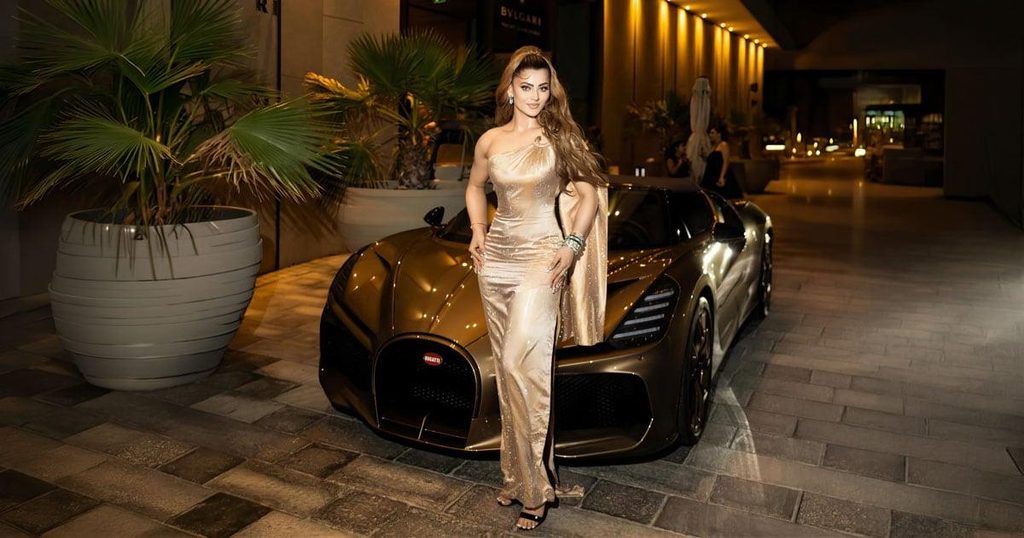
1. What Is the Fake Rich Lifestyle?
The Fake Rich Lifestyle is the habit of presenting yourself as wealthier or more financially successful than you actually are.
It does not necessarily mean someone is poor or has no money. It means spending beyond your financial comfort, purchasing unnecessary luxury items, or creating an image of wealth mainly to gain social approval.
For example, someone might purchase an expensive phone through monthly instalments despite struggling to manage household expenses. Another person might spend a large portion of their savings on designer clothing simply because they want to appear wealthy at social gatherings.
The problem is not enjoying expensive things. People have every right to spend their hard-earned money on what makes them happy. The real problem begins when spending becomes a competition and financial decisions are driven by the fear of looking unsuccessful.
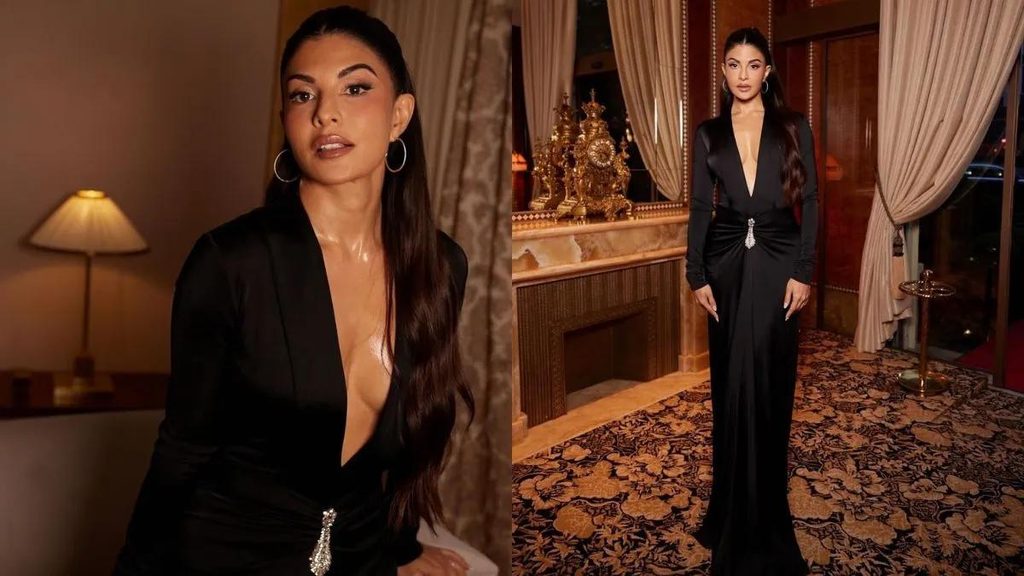
2. Instagram and TikTok Are Fueling the Fake Rich Lifestyle
Social media has changed how people define success. In the past, people often compared themselves with neighbours, relatives, and colleagues. Today, they compare their everyday lives with thousands of strangers online.
A few minutes on Instagram or TikTok can expose users to luxury cars, expensive shopping, overseas holidays, designer handbags, and beautifully decorated homes.
This constant exposure can make ordinary life appear boring or unsuccessful.
The Fake Rich Lifestyle becomes especially attractive when people start believing that expensive possessions are proof of happiness and achievement.
Influencers also contribute to this culture, although not every influencer is pretending. Some genuinely afford luxurious lifestyles, while others may use brand partnerships, rented locations, sponsored products, or carefully planned content to create a particular image.
The audience usually sees the final picture, not the expenses, business arrangements, or financial circumstances behind it.
As a result, people sometimes compare their real lives with someone else’s carefully edited online presentation.
Social media has changed how people communicate, consume content, and present themselves online. Platforms such as Instagram and TikTok allow users to share carefully selected moments from their lives, but these posts do not always represent their complete financial reality. Readers can explore the Pew Research Center’s research on social media to better understand how digital platforms are influencing people’s everyday experiences.
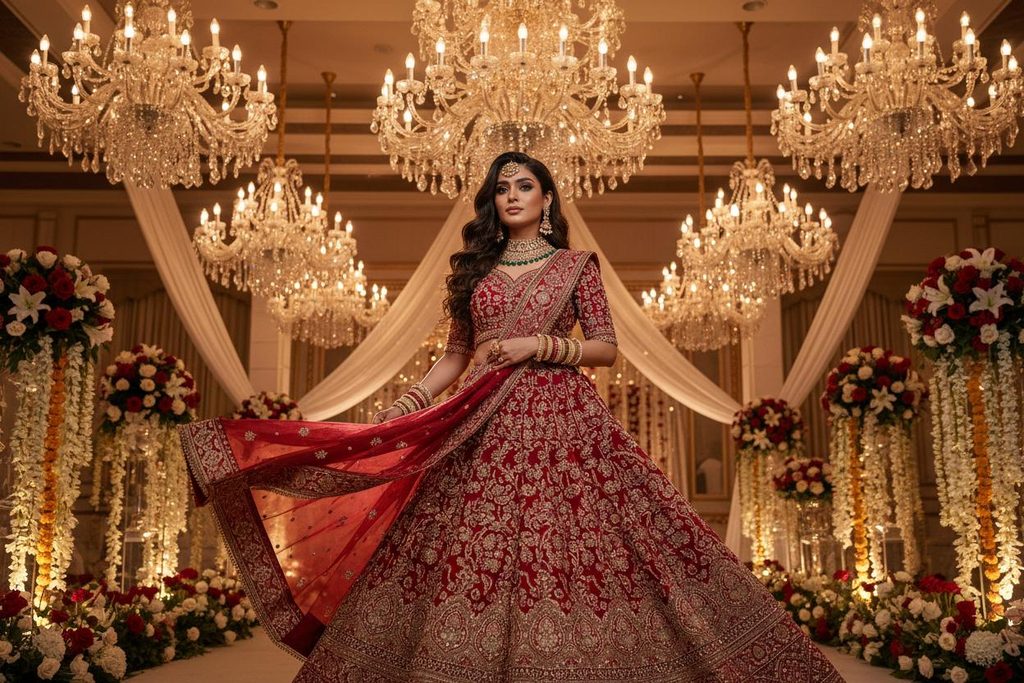
3. Expensive Weddings: Celebration or Competition?
Pakistani weddings are known for their traditions, beautiful clothes, delicious food, and family celebrations. However, in some cases, wedding events have become competitions over who can spend the most.
A family may feel pressured to arrange a grand venue, expensive decorations, multiple functions, designer outfits, and impressive photography because relatives or guests might judge a simpler celebration.
Some families even borrow money to meet these expectations.
The Fake Rich Lifestyle becomes visible when a wedding is planned around social approval rather than the family’s actual financial capacity.
A wedding should be a memorable beginning for two people, not a financial burden that follows them for years.
There is nothing wrong with celebrating an important occasion. But why should families feel embarrassed about choosing a smaller event that fits their budget?

4. Designer Clothes and Luxury Brands: Are We Buying Quality or Status?
Fashion is another area where the pressure to appear wealthy is easy to notice.
Branded shoes, expensive handbags, designer clothing, watches, and accessories have become status symbols for many people. Some purchases are made because of genuine interest in fashion, while others are driven by the desire to impress friends, colleagues, or social media followers.
The Fake Rich Lifestyle encourages people to believe that the brand name matters more than the actual value of a product.
A person wearing an affordable outfit can look equally stylish and confident. Yet, some people feel uncomfortable wearing something that does not carry a famous label.
This raises an important question: Are we choosing things because we genuinely like them, or because we want other people to notice them?
Real personal style is not determined by the price tag.

5. The Pressure to Own an Expensive Phone and Car
In Pakistan, smartphones and vehicles are often treated as signs of financial success.
Having the latest iPhone or driving an expensive car can create a certain impression. Unfortunately, this can also encourage unnecessary spending.
Some individuals purchase expensive phones through instalments even when they have more important financial responsibilities. Others take loans or use their savings to upgrade their vehicles simply to maintain a particular image.
This is one of the hidden costs of the Fake Rich Lifestyle.
A smartphone should make communication and daily life easier. A car should provide convenience and transportation. Neither should become a measure of someone’s worth.
Owning an expensive product does not automatically mean someone is financially secure.

6. Are Young Pakistanis Becoming More Obsessed With Looking Rich?
Young people are growing up in a digital environment where popularity, appearance, and lifestyle are constantly displayed.
Many teenagers and young adults see influencers wearing expensive clothes, visiting luxury destinations, and enjoying fashionable lifestyles. Naturally, some begin to believe that achieving similar things is necessary for social acceptance.
The Fake Rich Lifestyle can create unrealistic expectations, particularly among people who are still studying or starting their careers.
A young person earning their first salary may feel pressured to buy expensive gadgets, branded clothes, or a vehicle before building an emergency fund or saving for future goals.
There is nothing wrong with ambition. Wanting a better lifestyle can motivate people to work hard. But ambition becomes unhealthy when someone measures their progress against unrealistic online standards.
Young Pakistanis should be encouraged to build financial independence rather than chase appearances.
7. The Hidden Financial Cost of Pretending to Be Wealthy
One of the biggest problems with the Fake Rich Lifestyle is that its financial consequences are not always visible.
Someone may look financially successful in public while privately dealing with unpaid bills, credit card balances, instalments, or borrowed money.
Trying to maintain an expensive lifestyle can lead to:
- Unnecessary debt: Borrowing money to purchase items that are not essential.
- Reduced savings: Spending money that could have been used for emergencies or future investments.
- Financial stress: Constantly worrying about monthly payments and expenses.
- Family pressure: Spending beyond one’s means to maintain social expectations.
- Delayed goals: Postponing education, business plans, home ownership, or other important priorities.
The most dangerous part is that the spending can become a habit. Once people become accustomed to receiving attention for expensive purchases, they may feel pressured to keep spending.
The Fake Rich Lifestyle can therefore create a cycle in which people work harder to maintain an image instead of improving their actual financial situation.
8. Why Are We So Afraid of Looking Ordinary?
This is perhaps the most interesting question.
Why does wearing affordable clothes, using an older smartphone, or choosing a simple wedding sometimes make people uncomfortable?
One reason is social judgment. People often worry about what relatives, friends, colleagues, and neighbours will say.
In some social circles, expensive possessions are treated as evidence of success. Someone who cannot afford the latest trends may feel left behind.
Another reason is the desire for validation. Receiving compliments, likes, and attention can make people feel appreciated. Over time, they may begin connecting their self-worth with the lifestyle they display.
The Fake Rich Lifestyle is not always about money. Sometimes, it is about insecurity, comparison, and the desire to feel accepted.
But living to satisfy everyone else’s expectations can become exhausting. There will always be someone with a bigger house, a newer car, more expensive clothes, or a more impressive holiday.
Trying to compete with everyone is a competition that nobody can win.
9. Real Wealth vs Fake Rich Lifestyle: What’s the Difference?
There is an important difference between having wealth and displaying wealth.
A financially secure person may choose to live simply, avoid unnecessary debt, invest in education, build a business, or save for the future. Someone following a Fake Rich Lifestyle may spend most of their income trying to create an impressive public image.
Here is a simple comparison:
| Real financial success | Fake Rich Lifestyle |
|---|---|
| Spending within your budget | Spending to impress others |
| Building savings | Spending all your income |
| Buying what you need and value | Buying things for social approval |
| Planning for the future | Prioritising appearances |
| Financial independence | Depending on debt and instalments |
| Confidence without showing off | Constantly seeking validation |
Of course, a wealthy person can enjoy luxury products, travel, and expensive experiences. There is nothing wrong with that.
The difference is whether those purchases fit their financial situation and personal priorities.
10. How Can Pakistanis Escape the Fake Rich Lifestyle?
Escaping the pressure to look wealthy does not mean giving up fashion, travel, entertainment, or personal enjoyment. It means making decisions based on your real financial circumstances.
Here are a few practical ways to start:
1. Stop comparing your life with social media: Remember that online content rarely shows the complete financial picture.
2. Create a realistic budget: Understand your income, expenses, savings, and financial responsibilities before making major purchases.
3. Avoid unnecessary debt: Do not borrow money simply to purchase something that will impress other people.
4. Choose quality over brand names: A product does not have to be expensive to be useful, attractive, or durable.
5. Build financial security: Prioritise emergency savings, education, investments, and long-term goals.
6. Enjoy simple experiences: Happiness does not always require expensive restaurants, luxury holidays, or designer products.
7. Stop seeking approval through possessions: Your value is not determined by the phone you use, the car you drive, or the clothes you wear.
The goal is not to live cheaply. It is to live comfortably without pretending to be someone you are not.
Conclusion: Are Pakistanis Living Just to Impress Others?
The Fake Rich Lifestyle is becoming an increasingly visible part of modern social culture in Pakistan. Social media, social comparisons, expensive celebrations, and the desire for recognition can all encourage people to spend beyond their means.
However, it would be unfair to assume that everyone who enjoys luxury is pretending. People have different incomes, priorities, and ways of enjoying life.
The real issue is the pressure to look wealthy even when doing so creates financial stress.
A person who lives in a modest home, drives an ordinary car, saves money, and enjoys peace of mind may be in a much stronger position than someone displaying luxury while struggling with debt.
Perhaps it is time to ask ourselves a simple question: Are we building a better life, or are we just creating a better-looking Instagram profile?
Real success is not about convincing the world that you are rich. It is about building a life you can genuinely afford and enjoy.
If you enjoy reading about social media trends, Pakistani society, changing lifestyles, and the issues shaping modern culture, explore more interesting articles on MediaRay. Discover more stories, opinions, and trending topics that keep you informed and entertained.
