
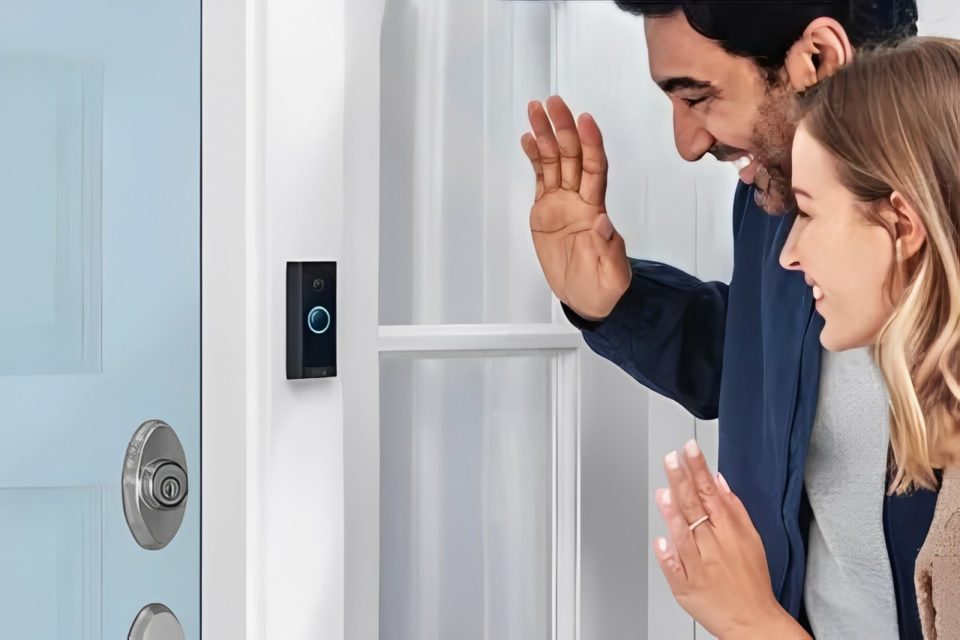
Video doorbell cameras have become an essential part of home security, providing peace of mind by allowing you to see and communicate with visitors at your door, even when you’re not home.With the wide range of options available, selecting the right video doorbell camera can feel daunting.Here are eight important factors I always consider when buying a video doorbell camera to ensure it meets my needs for safety, convenience, and functionality.
Video Quality
The first thing I look for is the camera’s video resolution. A high-definition (HD) or even 4K resolution video doorbell is crucial for capturing clear images, especially if you need to identify faces or license plates. A clear, sharp picture can make all the difference in a security situation, so I always opt for at least 1080p resolution.
Night Vision
Since most suspicious activity can happen after dark, having a doorbell camera with good night vision is essential. I look for infrared (IR) or full-color night vision to ensure the camera can capture clear footage in low-light or no-light conditions.
Motion Detection
Motion detection is a key feature that notifies you whenever someone approaches your door. Some cameras allow you to customize detection zones to reduce false alarms from passing cars or pedestrians. I also prefer a camera that can differentiate between people, animals, and inanimate objects, offering more accurate notifications.
Two-Way Audio
One of the most useful features of a video doorbell is the ability to communicate with visitors in real-time. Two-way audio lets me speak to delivery drivers, visitors, or even potential intruders without opening the door. I check for a doorbell camera with clear audio quality, both for hearing and speaking, to avoid misunderstandings.
Field of View
A wide field of view is important to capture as much of your doorstep area as possible. I always check the camera’s horizontal and vertical viewing angles to make sure it covers a large enough area. Ideally, a camera with at least a 160-degree field of view ensures that no part of the front door area is missed.
Smart Integration
Since I use smart home devices, I look for a video doorbell that integrates easily with my system. Compatibility with platforms like Google Home, Amazon Alexa, or Apple HomeKit is a big plus. This way, I can control the doorbell with voice commands or view the camera feed through my smart devices.
Storage Options
Video footage storage is another critical factor. Some doorbell cameras offer cloud storage, while others have local storage options like microSD cards. I check whether the camera requires a subscription for cloud storage and if it offers a balance between free storage and paid plans. Local storage can be a good alternative if you don’t want to pay monthly fees.
Power Source
Finally, I look at how the camera is powered. Some video doorbells are hardwired into your home’s electrical system, while others run on rechargeable batteries. Battery-powered models are easier to install, but I always check how long the battery lasts between charges. On the other hand, hardwired options offer continuous power without needing to recharge, though installation can be more complicated.
Conclusion
When shopping for a video doorbell camera, considering these eight factors ensures that I get a product that enhances my home security and offers the convenience I need. Video quality, night vision, motion detection, and smart integration are essential to making sure the camera fits seamlessly into my lifestyle while providing the peace of mind that comes with knowing my home is secure.
