
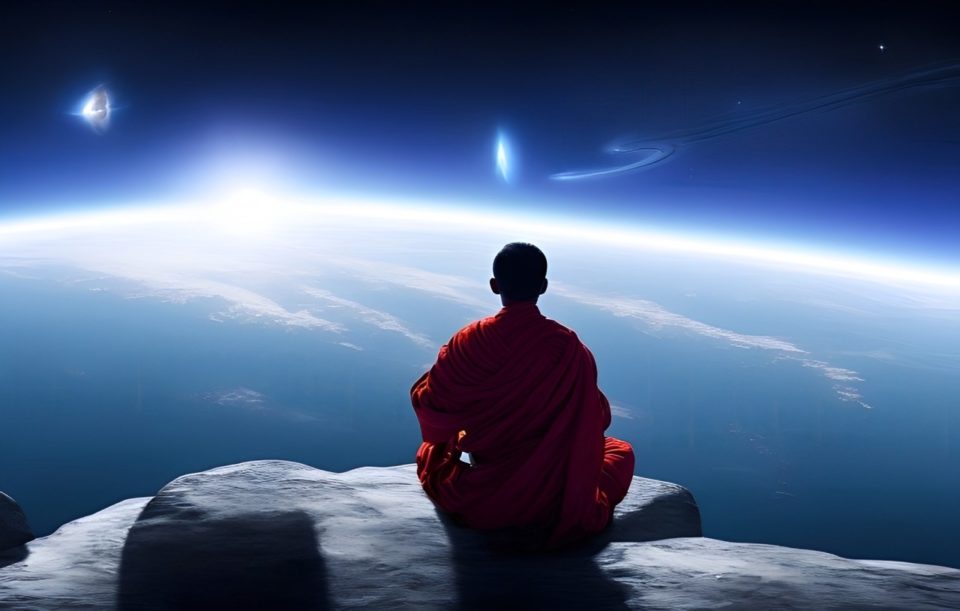
In today’s fast-paced world, finding peace and calm can often feel like an elusive goal. However, by adopting certain habits that mirror the serene and mindful lifestyle of monks, you can cultivate inner calm and peace. Here are six habits that, when practiced regularly, can help you achieve the calmness of a monk.
Practice Mindful Breathing
Mindful breathing is a cornerstone of many monastic practices. Focusing on your breath helps to anchor you in the present moment, calm your mind, and reduce anxiety.
How to do it:
Find a quiet space.
Sit comfortably with your back straight.
Focus on your breath, inhaling slowly and deeply through your nose and exhaling through your mouth.
Focus on the feeling of air as it flows in and out of your body.
Practicing this for just 5-10 minutes each day can lower your stress levels and promote calm.
Adopt a Daily Meditation Practice
Monks are known for their deep meditation practices, which help them maintain inner peace despite external chaos. Meditation trains the mind to be still, to observe thoughts without becoming attached, and to develop emotional resilience.
How to do it:
Set aside 10-20 minutes daily for meditation.
Choose a quiet place, sit comfortably, and softly close your eyes.
Focus on your breathing or use a mantra to center your thoughts.
When your mind drifts, calmly redirect your focus to your breath.
Over time, meditation can help you manage stress better and remain calm in challenging situations.
Practice Gratitude
Monks often cultivate gratitude as part of their daily practice. Focusing on what you are grateful for shifts your mind from a place of stress and anxiety to one of contentment and peace.
How to do it:
Each morning or before bed, list three things you’re grateful for.
Be specific and focus on the feelings these things bring.
Developing a habit of gratitude allows you to appreciate the present moment and find joy in small things, fostering a sense of calm.
Live in the Present Moment
Monks practice mindfulness, which is about living fully in the present moment without getting caught up in the past or future. Being present helps reduce overthinking and stress, which are often sources of anxiety.
How to do it:
Pay attention to what you’re doing, whether it’s eating, walking, or working.
Resist the urge to multitask and give your full attention to one task at a time.
As your mind starts to wander, softly redirect it to the present moment.
Being mindful of everyday activities helps you cultivate a sense of peace and clarity throughout your day.
Embrace Minimalism
Monks live with very few material possessions, which reduces distractions and promotes simplicity. Adopting a minimalist lifestyle can help you focus on what truly matters, which leads to greater inner calm.
How to do it:
Declutter your living space, removing items that don’t serve a purpose or bring joy.
Simplify your daily routine to include only the essentials.
Limit digital distractions by reducing social media usage or unnecessary online browsing.
Minimalism promotes a more peaceful, less stressful environment, allowing you to focus on the things that bring meaning to your life.
Develop Compassion and Kindness
Monks regularly practice compassion and kindness, both to themselves and to others. Being kind can reduce stress and promote feelings of well-being, while also creating positive connections with those around you.
How to do it:
Make a conscious effort to be kind in your interactions with others.
Perform small acts of kindness, such as offering help or listening attentively.
Practice self-compassion by treating yourself with patience and understanding, especially during difficult times.
When you focus on kindness and compassion, you foster a more peaceful mindset and reduce negative emotions like anger and frustration.
Conclusion
By adopting these six habits—mindful breathing, meditation, gratitude, living in the present, minimalism, and compassion—you can develop the same inner calm as a monk. These practices can help you manage stress, find joy in simplicity, and maintain a peaceful mind amidst the demands of modern life. Like anything worthwhile, cultivating calm takes practice and consistency, but the results will leave you feeling more grounded and centered than ever before.
