
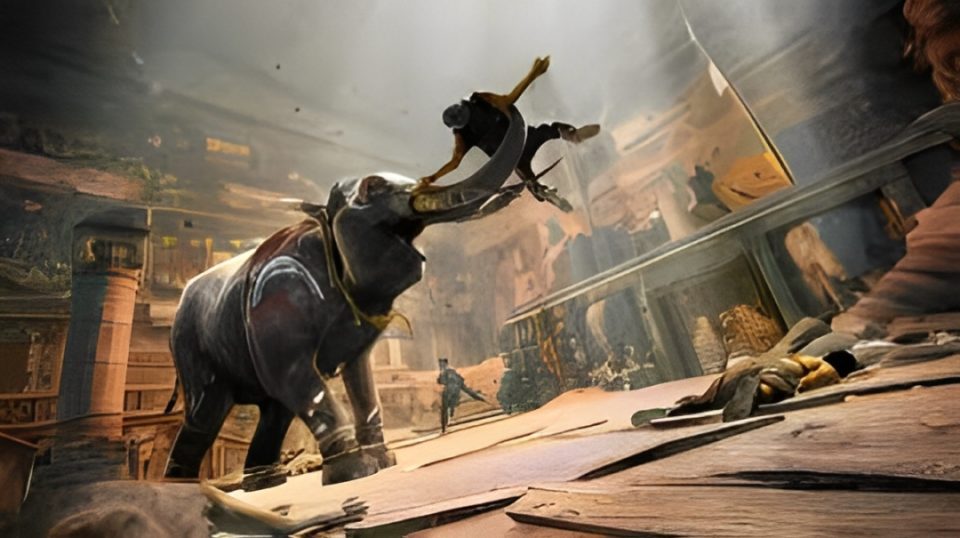
Throughout history, societies have indulged in violent and brutal forms of entertainment, often as a means of showcasing power, reinforcing social hierarchies, or satisfying the human fascination with bloodshed. While modern entertainment has evolved into more ethical and humane forms, history provides chilling examples of brutal spectacles that were once widely accepted. Here are six of the most gruesome entertainments in human history.
Roman Gladiatorial Combat
Perhaps the most famous example of brutal entertainment, gladiatorial games were a staple of ancient Roman culture. Held in massive arenas such as the Colosseum, these fights pitted trained warriors, criminals, and prisoners of war against each other in battles to the death. Sometimes, exotic animals were introduced, and the fate of the fighters was often determined by the whims of the audience and the ruling elite. The bloodshed was considered an acceptable form of entertainment and a demonstration of Roman might and discipline.
Public Executions
Public executions were not only a method of punishment but also a widely attended form of spectacle across various cultures. From beheadings by guillotine during the French Revolution to hangings and burning at the stake during the Middle Ages, these events often drew massive crowds. The execution of high-profile criminals or political opponents became major social gatherings where people cheered, jeered, and sometimes even partook in the humiliation of the condemned.
Aztec Human Sacrifices
The Aztecs of Mesoamerica practiced large-scale human sacrifice as part of their religious ceremonies. Victims, often war captives or volunteers seeking honor, were brought to temple pyramids, where priests cut out their hearts while they were still alive. This brutal ritual was meant to appease the gods and ensure prosperity, especially in terms of agricultural success and military dominance. Crowds gathered to witness these sacrifices, reinforcing the power of the ruling elite and the religious beliefs of the civilization.
Medieval Jousting and Tournaments
While jousting tournaments were originally intended to be displays of chivalry and knightly skill, they often turned into deadly battles. Knights clad in armor charged at each other on horseback with lances, aiming to unseat their opponent. Despite having rules, these contests often resulted in severe injuries or death. Over time, they became popular public spectacles, drawing nobles and commoners alike who enjoyed the thrill of combat.
Japanese Samurai Duels
Feudal Japan was home to the samurai, an elite warrior class that adhered to a strict code of honor known as Bushido. When personal disputes arose, they were often settled through duels, sometimes to the death. These sword fights, called “katakiuchi,” were not just matters of personal honor but also public events where spectators gathered to witness the outcome. The violent and often fatal nature of these duels cemented the image of the samurai as both revered and feared warriors.
Bear and Bull Baiting
Popular in medieval Europe, bear and bull baiting involved tying up an animal—often a bear or a bull—and setting dogs on it in an enclosed area. The animals were tormented until they were either killed or too exhausted to continue. The sport was widely attended by the public, including royalty, and was considered a thrilling form of entertainment. The cruelty of the practice eventually led to its decline with the rise of animal rights movements.
Conclusion
The historical penchant for brutal entertainment underscores humanity’s long-standing fascination with violence. While society has largely moved away from these extreme forms of spectacle, echoes of them can still be seen in some modern forms of entertainment, such as violent sports and media. Studying these past spectacles serves as a reminder of how cultural norms evolve and the importance of ethical considerations in entertainment today.
