
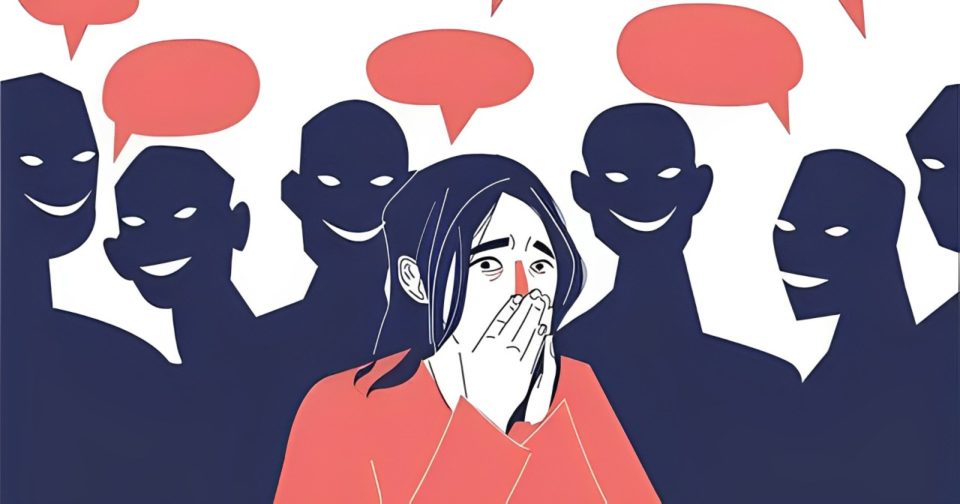
Social anxiety is more than just shyness—it’s a deep fear of being judged, embarrassed, or scrutinized in social situations. For years, I avoided gatherings, dreaded public speaking, and overanalyzed even the smallest interactions. Social anxiety had a tight grip on my life, holding me back from opportunities and experiences.
Over time, though, I discovered ways to overcome it. It wasn’t easy, and it didn’t happen overnight, but these four strategies became the pillars of my progress. Here’s how I turned my social anxiety into confidence.
Challenging Negative Thoughts
Social anxiety feeds on a constant loop of negative self-talk:
What if I say something stupid?
Everyone will think I’m awkward
I’ll embarrass myself.
I realized these thoughts weren’t facts—they were assumptions fueled by fear. To break this cycle, I practiced identifying and challenging them.
Identify: When a negative thought surfaced, I wrote it down.
Challenge: I asked myself, “What evidence do I have that this is true? Is it possible that the opposite is true?”
Reframe: Instead of thinking, They’ll judge me if I speak up, I told myself, Most people are too focused on their own concerns to judge me.
This shift in mindset didn’t happen instantly, but over time, reframing my thoughts made me more resilient.
Practicing Gradual Exposure
Avoidance is a hallmark of social anxiety—it feels like a quick escape, but it reinforces the fear in the long run. I knew I had to face the situations I dreaded, but I started small.
Baby Steps: I began with low-pressure scenarios, like saying hello to a neighbor or asking a cashier a question.
Building Confidence: As I gained comfort with smaller interactions, I moved on to bigger challenges, like attending a small gathering or joining a club.
Reflection: After each interaction, I noted what went well. This helped me focus on my successes rather than my perceived mistakes.
Gradual exposure built my confidence incrementally, proving to me that I could handle social situations without catastrophe.
Practicing Mindfulness and Breathing Techniques
One of the most overwhelming aspects of social anxiety is the physical response—racing heart, sweating, trembling, and even feeling like you can’t breathe. I learned that managing these symptoms was key to staying calm in social situations.
Mindfulness: I started meditating daily for just 10 minutes. Focusing on the present moment helped me stop obsessing over “what-ifs” and “should-haves.”
Breathing Exercises: Whenever I felt anxious, I practiced deep breathing: inhale for four counts, hold for four counts, and exhale for six counts. This technique slowed my heart rate and calmed my nerves.
These tools became my anchor, especially in high-pressure situations.
Seeking Support and Professional Help
I hesitated for a long time before reaching out for help, but it turned out to be one of the best decisions I made.
Therapy: A therapist helped me understand the roots of my anxiety and taught me cognitive-behavioral techniques to cope. Talking to a professional gave me clarity and actionable strategies.
Support Networks: I joined a local support group for people with social anxiety. Hearing others share their experiences made me feel less alone and gave me the courage to keep pushing forward.
Seeking support reminded me that I didn’t have to face this journey alone.
Conclusion
Overcoming social anxiety is not about becoming a social butterfly overnight—it’s about making progress, one step at a time. Some days are still challenging, but these strategies have transformed my life.
By challenging negative thoughts, facing my fears through gradual exposure, practicing mindfulness, and seeking support, I’ve learned to navigate social situations with confidence and ease.
If you’re struggling with social anxiety, remember: it’s okay to start small, and it’s okay to seek help. Progress might be slow, but every step forward is a victory. You have the strength to grow, and the journey is worth it.
