
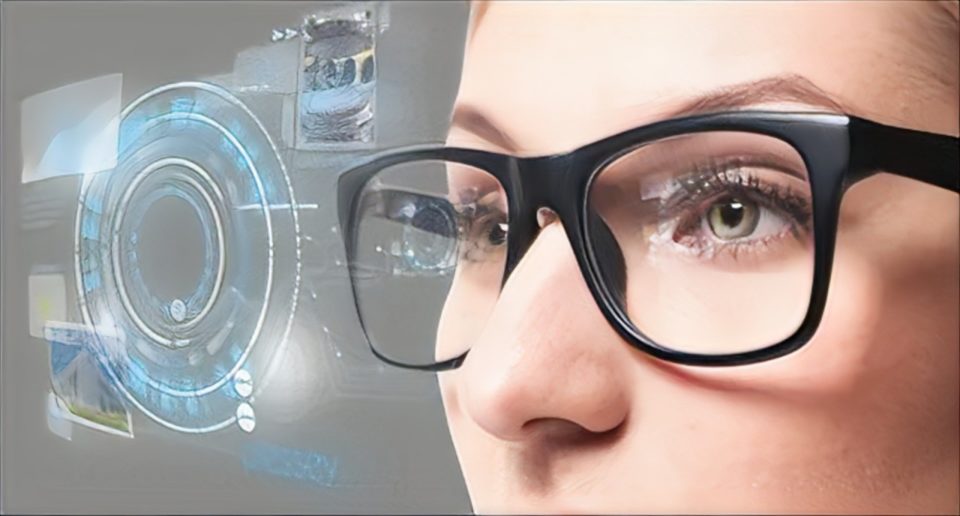
As wearable technology continues to evolve, one of the most intriguing advancements is the development of AI smart glasses. These innovative devices, which seamlessly blend the power of artificial intelligence with everyday eyewear, promise to change the way we interact with technology, enhancing our experiences in ways we never imagined possible. But what exactly are AI smart glasses, and how will they shape our future?
What Are AI Smart Glasses?
AI smart glasses are essentially a wearable device that integrates advanced artificial intelligence, augmented reality (AR), and sometimes virtual reality (VR) into a pair of glasses. These glasses are designed to provide real-time information, communication, and immersive experiences by using built-in cameras, sensors, and microphones.
Unlike traditional smart glasses that might only display notifications or play music, AI smart glasses can recognize objects, process visual data, translate languages, track movements, and provide contextual information to the wearer. The ability to connect seamlessly with other devices like smartphones or computers further elevates their potential for innovation.
Key Features of AI Smart Glasses
Augmented Reality (AR) Integration One of the standout features of AI smart glasses is their ability to overlay virtual information onto the real world through augmented reality. For example, these glasses can display maps, directions, or real-time data overlaid on your view of the physical world, providing a more immersive and intuitive user experience. Whether you’re exploring a new city or navigating a complex building, AR-enhanced smart glasses can guide you with step-by-step instructions.
Voice Assistants and Real-Time Speech Recognition Many AI smart glasses come equipped with voice assistant capabilities, such as integration with Google Assistant, Siri, or Alexa. This allows users to perform tasks hands-free, such as sending messages, setting reminders, or controlling smart home devices. The real-time speech recognition function enables these glasses to transcribe conversations, translate foreign languages, and respond to spoken commands with impressive accuracy.
AI-Powered Object Recognition AI smart glasses can recognize objects and environments in real time. Through their cameras and sensors, they can identify items around you and provide contextual information, such as product details, prices, or historical facts. For instance, these glasses could help you identify plants or animals in the wild, recognize landmarks during travel, or even assist with navigation in unfamiliar places.
Health and Fitness Tracking Some AI smart glasses are equipped with sensors that can monitor vital health metrics, such as heart rate, steps, and calories burned. These sensors work in conjunction with AI algorithms to offer personalized health insights and recommendations. This feature could be particularly useful for athletes or individuals looking to stay on top of their fitness goals without the need for a bulky wearable device.
Hands-Free Communication AI smart glasses can transform the way we communicate by offering hands-free calling, messaging, and video conferencing. Built-in microphones and speakers allow users to interact with others while keeping their hands free for other tasks. This feature is especially beneficial for those who work in industries that require multitasking or for people who prefer not to hold a phone or other communication device.
Potential Applications of AI Smart Glasses
In the Workplace AI smart glasses can enhance productivity in various industries, such as healthcare, manufacturing, and logistics. For healthcare professionals, they can provide real-time data during surgeries or medical procedures, offering instant access to patient records or diagnostic information. In manufacturing and logistics, they can assist with assembly line tasks, providing workers with step-by-step instructions or monitoring their performance for quality control.
Education and Training The integration of AR and AI can make learning more immersive and interactive. In educational settings, AI smart glasses can deliver contextual information, making lessons more engaging by superimposing data, diagrams, and videos onto physical objects or environments. For example, a history lesson on ancient civilizations could come to life with AR-enhanced visualizations of historical landmarks or artifacts.
Enhanced Travel Experiences AI smart glasses could revolutionize the way we travel by offering real-time translations, navigation, and information about landmarks. Language barriers would become less of an issue, as these glasses could translate foreign languages instantly, helping travelers better understand their surroundings. They could also provide real-time updates on flight statuses, weather forecasts, or local events.
Entertainment and Gaming With the advent of AR and VR technologies, AI smart glasses could be a game-changer in the entertainment and gaming industries. For gaming, AI-powered smart glasses can create an immersive mixed-reality experience, where the real world and virtual elements coexist. For entertainment, AI smart glasses could allow users to watch movies, stream content, or play games directly through their glasses, turning any environment into a personalized theater.
Challenges and Concerns
While AI smart glasses offer numerous benefits, there are still several challenges and concerns that need to be addressed. One of the most significant concerns is privacy. With cameras and sensors constantly collecting data, the potential for misuse or unauthorized surveillance becomes a real issue. Ensuring that user data is protected and that there are clear guidelines for data collection and usage will be essential for the widespread adoption of these devices.
Another challenge is the social acceptance of wearable technology. Smart glasses that display information or even record video in public may raise questions about etiquette and personal boundaries. Designers will need to find ways to create AI smart glasses that feel comfortable and unobtrusive while still providing valuable features.
Finally, there’s the issue of battery life. While improvements are being made, AI smart glasses require significant power to run their advanced features. To be practical for everyday use, these glasses must have longer-lasting batteries that can keep up with the demands of a connected, digital lifestyle.
Conclusion
AI smart glasses are undoubtedly a glimpse into the future of wearable technology. With the ability to merge the physical and digital worlds through augmented reality, voice recognition, and AI-powered insights, these devices have the potential to transform how we work, learn, and interact with the world. As technology continues to evolve, we can expect to see more advanced, user-friendly, and socially acceptable versions of AI smart glasses that will likely become as integral to our lives as smartphones are today. The future of AI smart glasses is bright, and it promises to bring us even closer to a fully connected world.
