
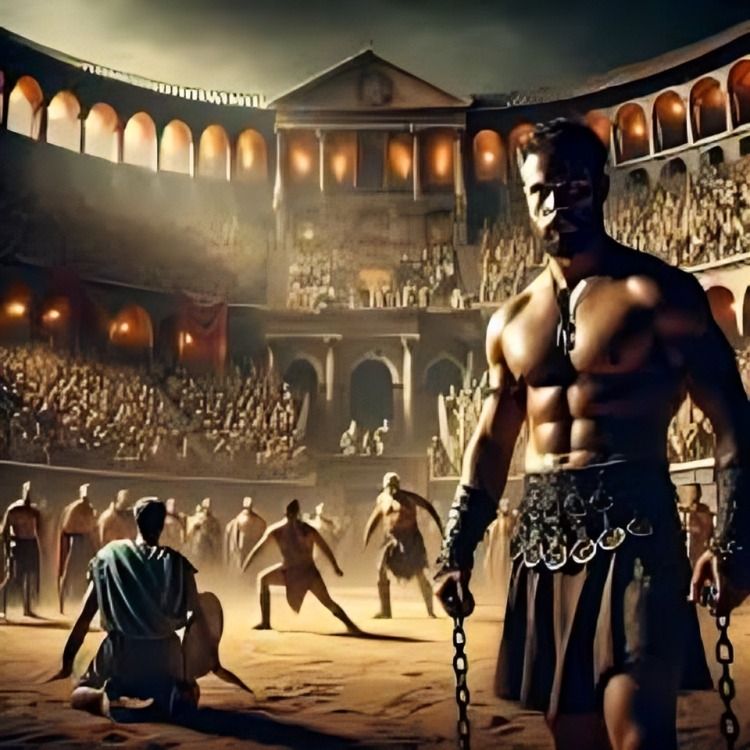
In the grand, marble arenas of Ancient Rome, thousands gathered to cheer, jeer, and feast their eyes on blood-soaked spectacles. Gladiators clashed in brutal combat, wild animals tore through human flesh, and prisoners faced execution as public entertainment. But behind the roaring crowds, lavish games, and ruthless politics, there were tragic heroes whose names have mostly been lost to history—men and women forced into violence, enslaved by the empire, and remembered only as footnotes in the shadow of the Colosseum.
This article dives into the lives of these forgotten souls—the tragic heroes of Ancient Rome’s cruel spectacles—and explores how their stories echo themes of survival, resilience, and tragedy.
The Gladiators: Slaves Turned Celebrities
At the heart of Rome’s bloody entertainment machine were the gladiators. Often misunderstood today as voluntary warriors living glamorous lives, the truth is far more painful. The majority of gladiators were slaves, prisoners of war, or criminals sentenced to death. Stripped of their freedom and dignity, they were trained in brutal conditions at gladiatorial schools and forced to fight, often to the death, for the amusement of the public.
Some rose to fame, like Spartacus, the most famous gladiator in history, who led a massive slave rebellion against Rome. His rebellion wasn’t just a fight for freedom but a desperate cry against the inhumanity of the system. Spartacus became a symbol of resistance—but like many gladiators, his story ended in tragedy.
Others, less known, fought quietly and died nameless, their blood staining the sands of the arena, sacrificed to the crowd’s insatiable appetite for violence.
The Bestiarii: The Beasts’ Prey
Another group of tragic heroes were the bestiarii—men condemned to face wild animals in staged hunts. Some were trained fighters, but many were criminals, enslaved people, or even early Christians sentenced to die horrifically in front of thousands. Lions, tigers, bears, and leopards imported from across the empire were starved and unleashed upon them in displays of man versus nature.
Unlike gladiators, who sometimes earned fame and freedom, the bestiarii rarely survived. They were the human fuel for the Roman circus, their suffering meant to satisfy the thirst for spectacle.
Women in the Arena: Forgotten and Exploited
Though rarely mentioned, female gladiators, known as gladiatrices, also fought and died in Rome’s arenas. Often considered a novelty, they faced the same violent fate as their male counterparts but without the chance at glory or redemption. Women condemned to death, enslaved, or seeking survival in the only way left to them were also thrown into combat or made victims of public executions disguised as entertainment.
Their presence was a testament to the extreme cruelty of the Roman games—no one, not even women, was spared the violence of the spectacle.
Martyrs and Prisoners: Sacrificed for Entertainment
Not all who died in the arena were fighters. Countless prisoners of war, political enemies, and religious minorities—especially early Christians—were thrown to the beasts or executed in elaborate public displays. These were not battles but orchestrated murders, staged to terrify and control the masses.
For many, their only crime was being foreign, poor, or defiant. Their suffering served no purpose other than to entertain and reinforce Roman power.
Conclusion
The Roman arena may be remembered today for its grandeur and drama, but it was built on human suffering and tragedy. The gladiators, bestiarii, female fighters, and condemned prisoners who fought and died in these cruel spectacles were the true, forgotten heroes—heroes not because they chose to fight, but because they endured unimaginable brutality in a world that saw them as expendable.
Their stories remind us of the dark side of entertainment when human life is treated as disposable. They lived and died in a system that glorified violence, but in their pain, resistance, and survival, they left behind a lesson about humanity’s capacity for cruelty—and the silent courage of those who had no choice but to face it.
