
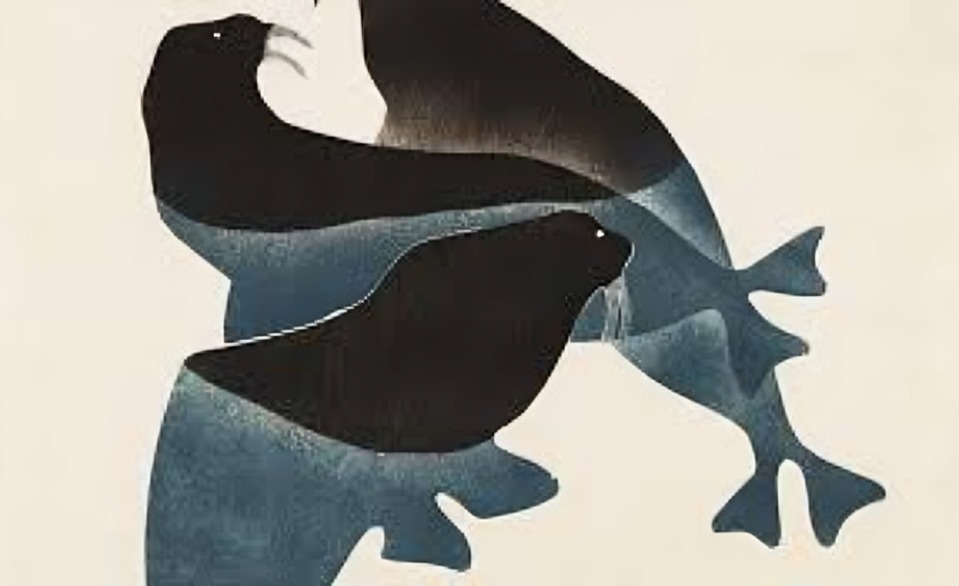
When we hear the word wildlife, our first thought is often danger. Snakes that bite, lions that hunt, insects that sting. For much of human history, animals were indeed seen through the lens of threat—creatures to be feared, fought off, or hunted before they could harm us. Yet, that’s only part of the story. Wildlife is far more than just a danger lurking in the shadows. It is a mirror of our survival, a teacher of resilience, and in many ways, a reminder of our place in the natural world.
Fear Was Only the Beginning
Early humans had to view wildlife with caution. A single mistake—a poorly judged encounter with a predator or a venomous animal—could mean death. Fear kept us alive. But that same wildlife also sustained us, providing food, clothing, tools, and inspiration for myths and rituals. What started as a threat often became a partnership.
Animals as Teachers
Many indigenous cultures around the world never separated wildlife into “friend” or “foe.” Instead, animals were seen as teachers. Wolves taught about loyalty and teamwork. Eagles represented vision and perspective. Even snakes, feared by many, symbolized transformation and renewal.
Through careful observation, people learned to track migration, predict weather, and discover medicinal plants—all thanks to wildlife.
More Than Danger: The Balance of Ecosystems
When we reduce animals to threats, we miss their deeper role in balancing ecosystems.
- Predators like lions or wolves prevent overpopulation of herbivores.
- Bees and butterflies ensure crops and wild plants reproduce.
- Even scavengers like vultures clean up carrion, preventing the spread of disease.
Seen this way, wildlife is less a threat and more a foundation on which human survival has always rested.
Emotional Bonds and Human Healing
In today’s world, many people experience wildlife not as predators but as sources of emotional connection. Birdsong can ease anxiety. Watching deer in the woods can quiet the mind. Even urban foxes or pigeons remind us that life thrives alongside us, no matter how much concrete we lay down.
Wildlife, once feared, is now also therapy—helping people heal from trauma, loneliness, or burnout.
The Real Threat
Ironically, the greatest threat is not wildlife to humans, but humans to wildlife. Habitat loss, climate change, and poaching are pushing countless species to the edge of extinction. If we continue to treat animals as obstacles or dangers rather than allies, we risk losing not just them, but the stability of ecosystems that keep us alive.
Conclusion
Wildlife is more than just a threat—it is a reminder of our history, a key to our survival, and a source of meaning and healing. Yes, respect for danger will always be necessary. But fear alone blinds us to the truth: without wildlife, there is no us.
Instead of asking, “How do we protect ourselves from wildlife?” Perhaps the deeper question is, “How do we protect wildlife so it can continue protecting us?”
Would you like me to make a storytelling version of this article (like describing one personal or historical encounter with wildlife to bring the theme alive), or keep it in this reflective essay style?
