
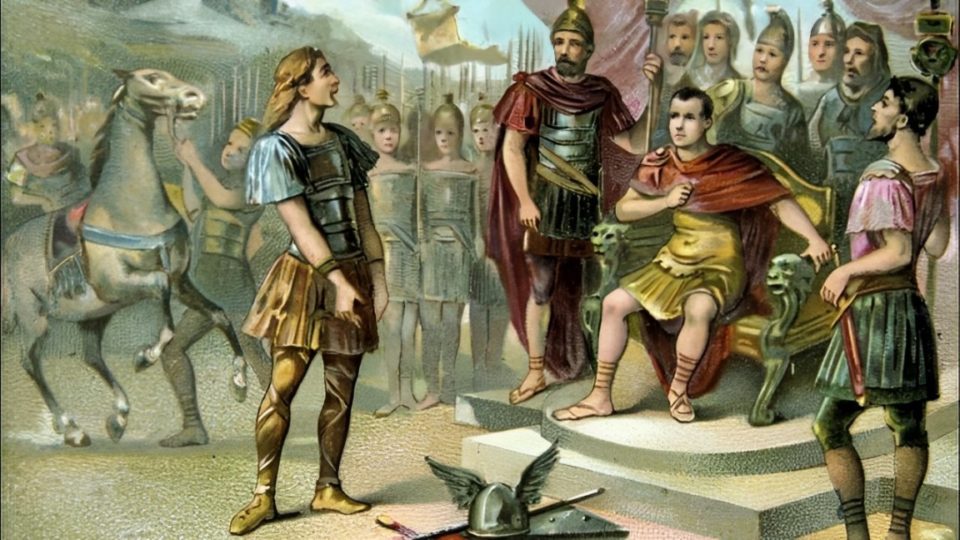
The conquest of Gaul, which spanned from 58 to 50 BCE, stands as one of the most significant military campaigns in ancient history. Led by Julius Caesar, this campaign not only expanded the Roman Republic’s territory but also solidified Caesar’s power and influence. Understanding what motivated Caesar to undertake this formidable task involves examining a mix of political, personal, and strategic factors that shaped his decisions.
Political Ambition and Personal Glory
One of the primary motivations behind Caesar’s invasion of Gaul was his relentless pursuit of personal and political glory. At the time, Caesar was a rising star in Roman politics, holding the position of consul in 59 BCE. However, his political career was in a precarious position, and he needed a major achievement to bolster his standing and secure his future.
The conquest of Gaul provided an opportunity for Caesar to achieve immense personal glory and enhance his reputation. By securing a significant military victory, he could boost his popularity and influence in Rome. This was crucial as he faced competition and opposition from other powerful political figures, including Pompey the Great and Crassus, with whom he had formed the First Triumvirate. The success in Gaul would solidify his position and provide leverage in the complex political landscape of Rome.
Military Strategy and Rome’s Strategic Interests
Another key motivation was the strategic and military considerations of the Roman Republic. Gaul, a region encompassing modern-day France, Luxembourg, Belgium, and parts of Switzerland and Italy, was seen as a potential threat to Rome. The Gauls, with their fierce warrior culture and frequent skirmishes with neighboring tribes, posed a risk to Roman security and trade routes.
Caesar recognized that by conquering Gaul, he could secure Rome’s northern borders and eliminate a potential threat. The Roman Republic had a vested interest in controlling this region to protect its territories and maintain stability. Additionally, the conquest of Gaul would provide valuable resources and wealth, including land, which could be used to reward soldiers and increase the economic prosperity of Rome.
The Promise of Wealth and Resources
Caesar’s campaign was also driven by the promise of wealth and resources. Gaul was a rich region with abundant natural resources, including fertile land and valuable minerals. The prospect of acquiring such wealth was a powerful incentive for Caesar and his troops. The spoils of war would not only enhance Caesar’s personal fortune but also provide substantial rewards for his soldiers, ensuring their loyalty and motivation.
The economic benefits of the conquest were significant. The land and resources acquired from Gaul could be used to support Rome’s economy and military campaigns. Caesar’s ability to distribute land and wealth among his soldiers and supporters was a key factor in maintaining their allegiance and securing his power.
The Desire for Military Command and Experience
Caesar’s own ambition and desire for military command played a crucial role in his decision to invade Gaul. Caesar was an experienced military leader with a deep-seated passion for warfare and conquest. The campaign in Gaul provided an opportunity for him to showcase his military skills and gain further experience on the battlefield.
The conquest allowed Caesar to demonstrate his strategic acumen, leadership abilities, and tactical prowess. It was a chance for him to leave a lasting legacy as a commander and gain the admiration and respect of his peers and the Roman populace. The success of the campaign further cemented his reputation as one of Rome’s greatest military leaders.
The Role of Propaganda and Political Narrative
Caesar was also adept at using propaganda to shape public perception and justify his actions. The detailed accounts of the campaign, documented in his commentaries known as “Commentarii de Bello Gallico,” served as a tool to promote his achievements and reinforce his political narrative. By portraying himself as a heroic figure defending Rome and expanding its territory, Caesar could garner support and legitimize his actions in the eyes of the Roman people.
Conclusion
Julius Caesar’s invasion of Gaul was driven by a combination of personal ambition, political strategy, and the pursuit of wealth and resources. The campaign allowed him to achieve significant personal and political gains, secure Rome’s northern borders, and enhance the Republic’s economic prosperity. Through military prowess and effective propaganda, Caesar not only accomplished his objectives but also cemented his place in history as one of Rome’s most formidable leaders. The conquest of Gaul was a pivotal moment that reshaped the course of Roman history and demonstrated Caesar’s extraordinary skill and ambition.
