
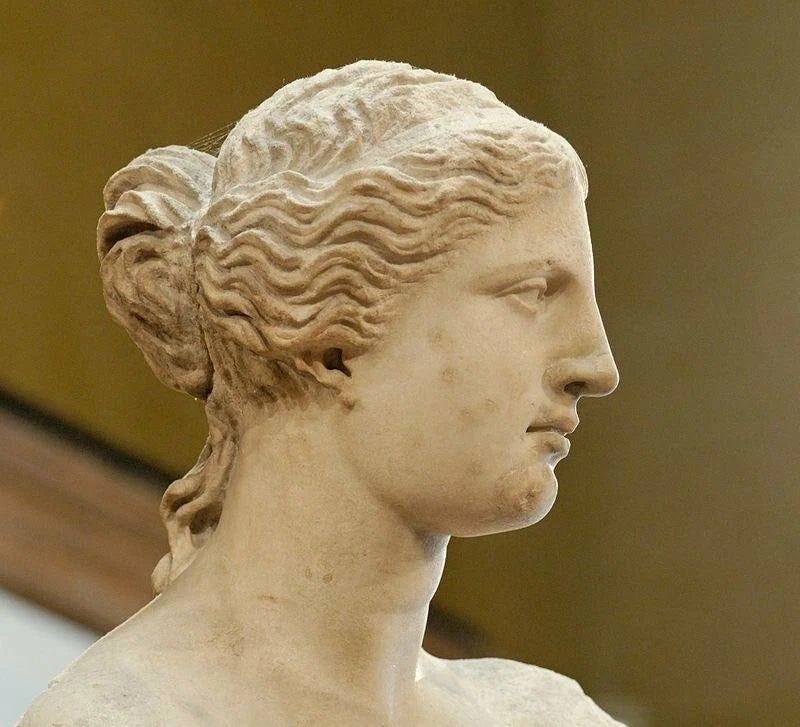
When we think of the ancient Greeks, we often picture statues of chiseled marble gods and goddesses, perfectly sculpted and frozen in time—idealized symbols of beauty and power. But the real people of ancient Greece? They were far more diverse, textured, and human than the flawless art they left behind.
So, what did the ancient Greeks really look like?
The answer is as complex as their mythology—shaped by geography, genetics, and centuries of cultural exchange. Let’s uncover the truth behind the faces of history.
A Land at the Crossroads of Civilizations
Ancient Greece wasn’t a single unified nation—it was a cluster of city-states (like Athens, Sparta, and Corinth) spread across the Mediterranean. The Greek world extended beyond modern Greece into parts of Italy, Turkey (then called Anatolia), North Africa, and the Middle East.
Because of this, the people of ancient Greece were ethnically and culturally diverse. Trade, war, migration, and colonization brought in a wide mix of influences—from Egyptians, Phoenicians, Persians, and even Celts.
So while there’s no one “Greek look,” many Greeks would’ve had olive-toned skin, dark hair, and brown or hazel eyes, though lighter and darker variations certainly existed.
Facial Features and Body Types
Art gives us a clue—but it comes with a caveat. Greek statues were idealized, not realistic. They celebrated symmetry, youth, and strength—especially in men. However, pottery, frescoes, and funerary sculptures give us a more grounded view.
- Men were typically lean, muscular (from physical labor or warfare), and clean-shaven—though beards became more fashionable in certain periods.
- Women often had rounded faces, large eyes, and braided or coiled hair. Wealthier women sometimes lightened their skin with white lead to indicate they didn’t work outdoors.
Overall, ancient Greeks likely looked much like modern Mediterranean populations: a broad range of features with common patterns tied to the region’s climate and heritage.
Hair, Fashion, and Presentation
Hair was a big deal in ancient Greece.
- Men usually kept their hair short, though longer hair and beards came back into style during the Classical period.
- Women grew their hair long, often wearing it up in elaborate styles, sometimes with ribbons, pins, and veils.
Blonde hair was rare and prized—so much so that wealthy Greeks used lightening agents like vinegar or potash to imitate it. Red hair, too, was noted and associated with Thracian or northern ancestry.
Clothing was simple but elegant: mainly linen or wool garments like chitons and himations, often dyed in earthy tones. Fashion also varied by city-state and social class.
They Were Not All Warriors and Philosophers
Not everyone in ancient Greece looked like a Spartan warrior or Athenian noble. Most people were farmers, artisans, fishermen, traders, and slaves. Their appearances reflected the physical labor they did and the conditions they lived in.
This included:
- Calloused hands and sun-worn skin
- Crooked teeth and uneven posture (before modern medicine)
- Weather-beaten faces from working outdoors
Life expectancy was shorter, and many didn’t live long enough to match the youthful images we see in art.
What DNA Evidence Tells Us
Recent genetic studies of ancient Greek remains reveal they were closely related to modern populations in southern Europe, especially Greeks, Italians, and southern Balkan peoples.
The ancient Mycenaeans and Minoans, for example, had a significant amount of ancestry from early Anatolian farmers and local hunter-gatherers, with some influence from populations further east.
In short: modern Greeks share a strong genetic link with their ancient ancestors, but centuries of mixing have created a richer, more varied tapestry.
Conclusion
The ancient Greeks were real people—not statues, not myths. They were fishermen and farmers, mothers and soldiers, slaves and poets. Their skin was kissed by the Mediterranean sun, their hair coiled or cropped by choice and fashion, and their faces marked by life.
To ask what they looked like is to seek more than features—it’s to connect with the humanity beneath the history. And while we’ll never know every detail, we can be sure of one thing:
The beauty of ancient Greece wasn’t just in how they looked—it was in how they lived, thought, and shaped the world we still live in today.
