
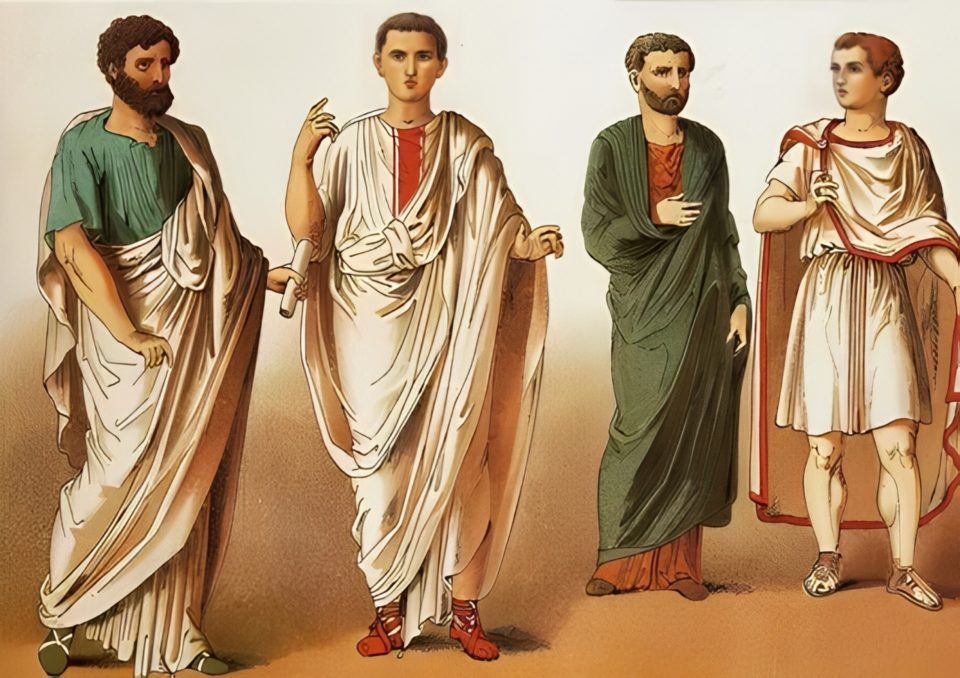
The Roman Empire was a melting pot of cultures, spanning continents and encompassing a variety of peoples. But what did the Romans themselves actually look like? While modern depictions often portray them as uniform in appearance, the reality was far more diverse. Let’s explore the physical traits, cultural influences, and artistic representations that define the image of ancient Romans.
A Diverse Population
The Roman Empire stretched from the British Isles to North Africa and from Spain to the Middle East. This vast territory meant that Romans came in all shapes, sizes, and skin tones. A Roman citizen in Egypt might have had darker skin and African features, while a Roman from Gaul (modern-day France) might have had fair skin and light hair. The diversity of the population reflected the empire’s cosmopolitan nature.
Mediterranean Features Were Common
In Rome itself, many people likely had features typical of the Mediterranean region. Olive skin, dark hair, and brown eyes were common among the population of central Italy. These features were influenced by the region’s climate and genetic heritage, which included Etruscans, Latins, and other Italic tribes.
Influence of Conquered Peoples
As Rome expanded, it absorbed countless cultures and peoples. Soldiers, slaves, merchants, and immigrants brought their own genetic and cultural backgrounds into the mix. This intermingling meant that physical appearances in the Roman Empire were far from homogeneous. Intermarriage and the blending of traditions further contributed to this diversity.
Artistic Representations
Statues, frescoes, and mosaics provide some clues about how the Romans saw themselves. However, these works often idealized their subjects. Roman art emphasized symmetry, youth, and strength, often portraying emperors and deities with exaggerated features to convey power or divinity. Everyday people were less frequently depicted, and when they were, the images might not have been entirely accurate.
Hairstyles and Fashion
Roman hairstyles and clothing also played a significant role in their appearance. Men typically kept their hair short and well-groomed, while women’s hairstyles ranged from simple buns to elaborate curls and braids, often adorned with pins and jewels. Clothing such as togas, tunics, and stolas could indicate a person’s social status, with wealthier Romans wearing more elaborate and colorful garments.
Physical Fitness and Appearance
The Romans valued physical fitness, especially among men. Soldiers were expected to maintain strong physiques, and gladiators were admired for their muscular builds. However, the general population’s physical condition varied, with wealthier citizens often leading more sedentary lives compared to laborers and farmers.
Written Descriptions
Ancient writers occasionally commented on appearances. For instance, Julius Caesar was described as having sharp features and a balding head, while Augustus was noted for his calm demeanor and piercing eyes. These accounts provide glimpses into how notable figures were perceived but should be taken with a grain of salt due to potential biases.
Conclusion
The appearance of ancient Romans was as varied as the empire they built. Far from the uniform image often depicted in popular media, Romans reflected the diversity of their vast and multicultural world. By examining art, historical records, and the genetic influences of their time, we can appreciate the rich tapestry of identities that defined the people of ancient Rome.
