
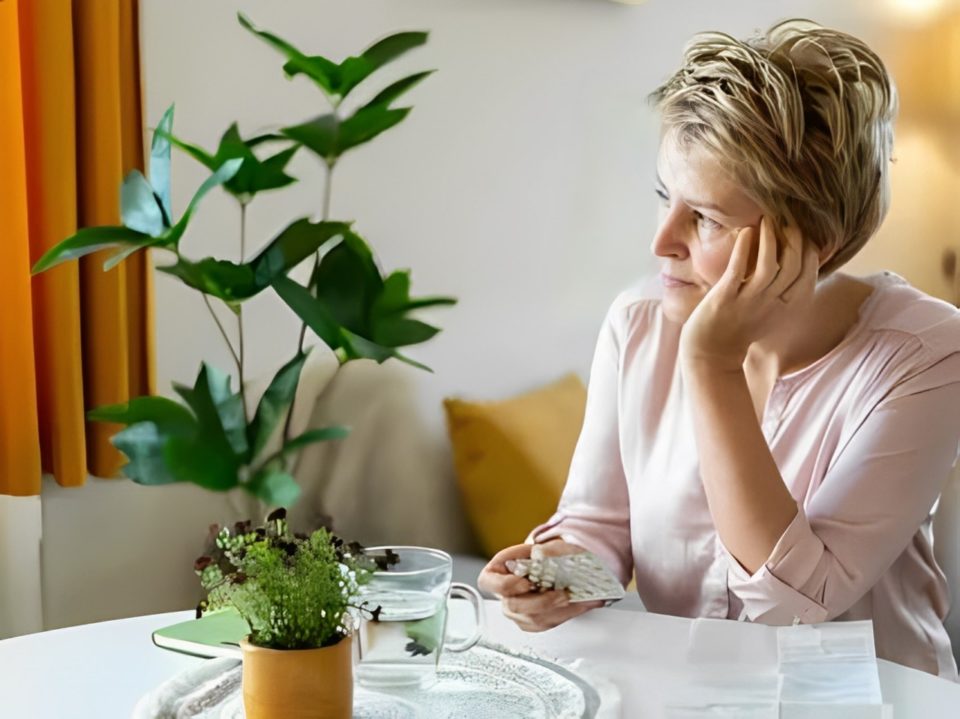
Entering menopause can feel like stepping into unfamiliar territory, with shifts in mood, body, and energy levels that can be unsettling. To gain some perspective, I reached out to two menopause experts who shared valuable insights on how to approach this transformative phase with more confidence and ease. Here’s what I learned from them about embracing menopause as a natural, empowering journey.
Understanding Menopause as a Normal Transition
The first expert I spoke with emphasized that menopause is not an illness or something to be “fixed”; it’s a natural part of life. She explained that menopause is a three-stage process: perimenopause, menopause, and postmenopause. Each phase brings hormonal shifts and physical changes, but understanding these stages can help manage expectations and foster self-compassion.
Perimenopause can start as early as the mid-40s and may bring irregular periods, mood changes, and hot flashes. Menopause officially begins one year after a woman’s last period, marking the end of her reproductive years, while postmenopause is the stage where symptoms like hot flashes may decrease but new issues, such as bone health and heart health, become more important.
By normalizing these stages, this expert encouraged me to approach menopause as a new phase rather than a problem to dread.“Menopause is just a new phase of life, and it doesn’t mean losing energy or well-being,” she assured me.
Embracing Self-Care and Lifestyle Adjustments
The second expert underscored the importance of self-care, especially as our bodies adapt to hormonal shifts. She stressed that lifestyle adjustments can make a significant difference in managing symptoms. Diet, exercise, and sleep become increasingly important, as they play a role in stabilizing mood, energy levels, and overall well-being.
For instance, a diet rich in whole foods, like leafy greens, whole grains, and lean proteins, can help balance blood sugar and reduce fatigue. Calcium-rich foods and weight-bearing exercises also help maintain bone density, which becomes more crucial during postmenopause. She also advised limiting caffeine and alcohol, as they can exacerbate hot flashes and disrupt sleep.
Simple self-care routines, such as mindful meditation, deep breathing, and spending time outdoors, can go a long way in reducing stress. Since menopause can bring emotional ups and downs, these practices offer a way to center oneself and maintain emotional balance.
The Power of Connection and Community
Both experts emphasized the power of connection in navigating menopause. Often, women feel isolated or embarrassed to talk about their experiences, but opening up can offer relief and valuable insights. Joining support groups or talking with friends going through similar changes can reduce feelings of isolation. Online communities also provide a platform for sharing tips, stories, and advice, making the experience feel less daunting.
The experts shared that simply talking about menopause helps normalize it. Menopause is a common experience, and by supporting one another, women can shift the narrative from one of struggle to one of resilience and empowerment.
Exploring Treatment Options
There’s no one-size-fits-all approach to managing menopause symptoms, but understanding treatment options can be empowering. The first expert discussed hormone replacement therapy (HRT) as an option for some women, especially those with severe symptoms. HRT can alleviate symptoms by balancing hormone levels, though it’s not suitable for everyone. Talking to a healthcare provider can help determine if it’s right for you, taking into account your medical history and personal needs.
The second expert mentioned alternative treatments, such as herbal supplements, acupuncture, and cognitive behavioral therapy (CBT), which can be beneficial for women who prefer non-hormonal options. She also highlighted the importance of staying informed and advocating for oneself in medical conversations, ensuring that any treatment aligns with one’s comfort and health goals.
Redefining This Phase as Empowering
Both experts agreed that menopause can be reframed as an empowering chapter. While it brings new challenges, it also offers a chance for self-discovery and growth. Embracing this phase can allow women to focus on their health, passions, and personal development in ways they may not have before. Menopause can be a time to rediscover oneself, cultivate new interests, and build a lifestyle that reflects personal priorities.
This shift in perspective—seeing menopause as a phase to be honored rather than dreaded—can make a significant difference in how one experiences it. The experts suggested focusing on self-acceptance and treating menopause as an opportunity for reflection and renewed purpose.
Conclusion
The insights from these menopause experts have helped me approach this phase of life with a new perspective. By understanding the stages of menopause, embracing self-care, connecting with others, exploring treatment options, and redefining menopause as an empowering journey, I feel more equipped to handle the changes ahead. Menopause is not something to fear; it’s a transformative period that can lead to greater self-awareness, health, and fulfillment. With knowledge, support, and a proactive mindset, navigating this life phase can be an opportunity for growth and resilience.
