
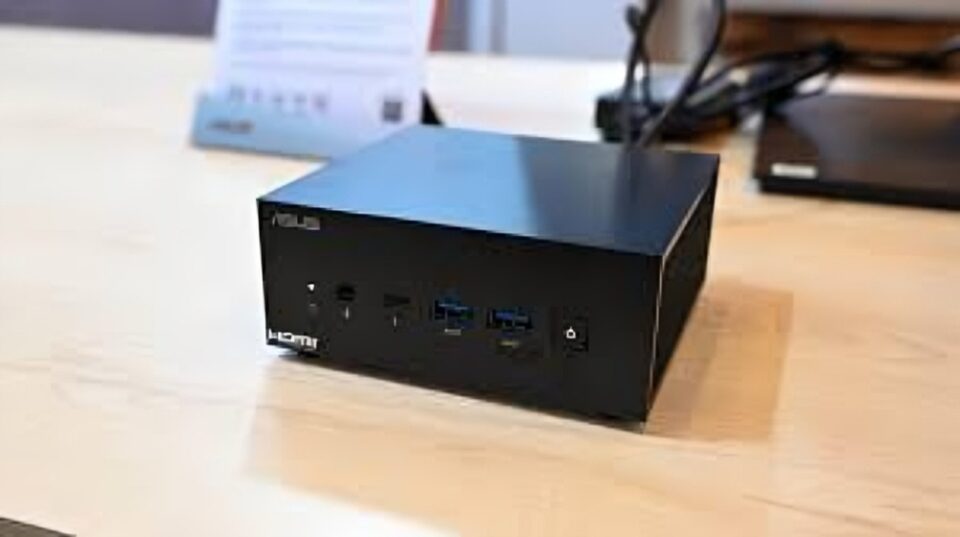
In an age when sleek design and raw performance are often pitted against each other, the Mini PC is quietly making its case. Once considered underpowered curiosities, today’s Mini PCs have evolved into powerful, compact, and shockingly capable machines. If you’re still clinging to the belief that bigger is better when it comes to computing, it’s time to rethink that assumption.
Mini PCs are no longer just backup devices or niche tools for tinkerers—they’re full-blown desktops in a fraction of the size. Here’s why going smaller might be the smartest computing decision you’ll make.
Power in a Tiny Footprint
Modern Mini PCs pack serious hardware. Many now include:
- Multi-core Intel or AMD processors
- Up to 32GB of RAM
- SSD storage
- 4K graphics support
- Multiple USB and HDMI ports
Whether you’re browsing, streaming, coding, or editing light media, a Mini PC can handle it. Models like Intel’s NUC series or Apple’s Mac Mini prove that size doesn’t limit performance anymore.
Unless you’re gaming at ultra settings or rendering 8K video, a Mini PC is more than enough for everyday (and even professional) use.
Minimal Space, Maximum Versatility
One of the biggest perks? Space efficiency. A Mini PC can sit discreetly behind your monitor, under your desk, or even in your bag for travel.
It’s ideal for:
- Home offices where space is at a premium
- Media centers or home theater setups
- Students and remote workers who need a reliable setup without clutter
- Minimalists who want clean, efficient workspaces
You don’t need a giant tower humming in the corner anymore. A Mini PC offers power without the bulk.
Energy Efficient and Quiet
Because of their size and modern engineering, Mini PCs use less power and generate less heat than traditional desktops. Many are fanless or use ultra-quiet cooling systems, making them perfect for bedrooms, libraries, or sound-sensitive environments.
Lower power consumption also means lower electricity bills and better environmental impact, especially if you leave your computer running for long hours.
Affordable Without Cutting Corners
Mini PCs often offer excellent value for money. You’re not paying for unnecessary RGB lights, huge cases, or power supplies meant for high-end gaming rigs.
You can get a reliable Mini PC for a few hundred dollars—far less than a standard desktop or premium laptop—with enough power for everyday computing, productivity tasks, and even light design or development work.
And because they often use standard ports and components, they’re upgradable, too.
Great for Specialized Use Cases
Mini PCs aren’t just for general use. They’re also perfect for:
- Digital signage and kiosks
- Dedicated streaming devices
- Linux or coding machines
- Retro gaming consoles
- Servers for small-scale hosting or NAS systems
Their small form factor and customizability make them ideal for hobbyists, creators, and professionals alike.
Remote Work and Hybrid Life Approved
If you’re moving between home and office or work remotely, Mini PCs make setup and teardown easy. Just plug it in wherever you have a monitor and keyboard. No heavy lifting, no tangled mess of wires. Just pick it up and go.
Pair it with cloud storage and remote work tools, and you’ve got a portable workstation that fits in your hand.
Conclusion
The Mini PC is not a compromise—it’s a calculated upgrade. It’s proof that modern computing doesn’t need to be big, loud, or expensive to be effective. As more of our lives move into the cloud and our workflows become more agile, there’s no better time to think bigger by going smaller.
Whether you’re building a smart home hub, revamping your workspace, or just want a powerful yet compact machine that won’t break the bank, a Mini PC might be all the computer you truly need.
