
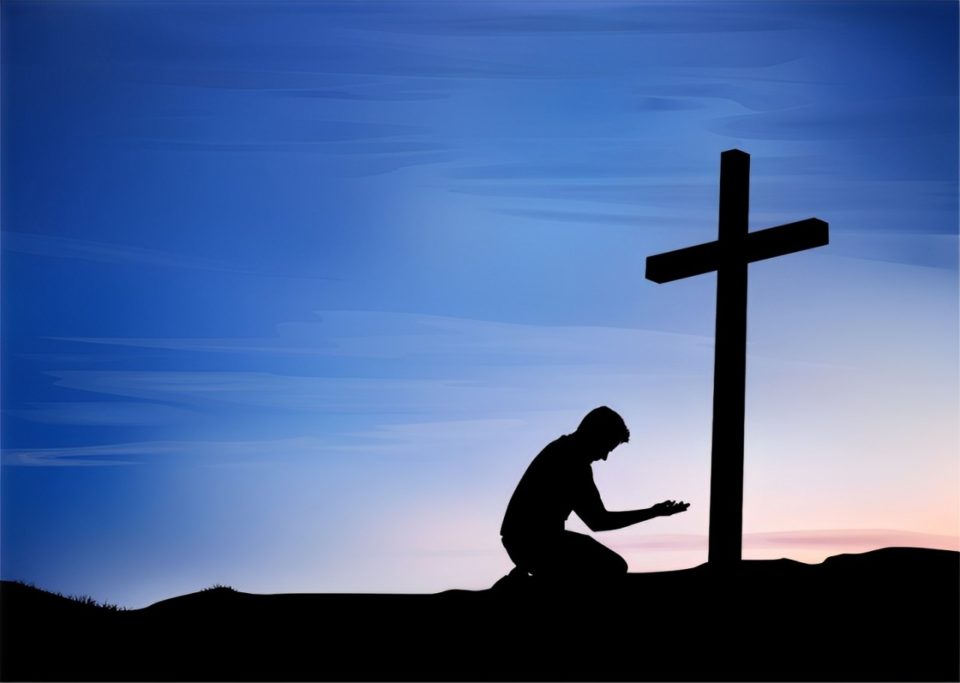
In the journey of recovery and personal growth, one of the most significant concepts that arise is the idea of surrender. The Third Step Prayer, a cornerstone in many spiritual practices, especially in 12-step recovery programs like Alcoholics Anonymous (AA), offers a transformative approach to embracing faith and surrendering control. By relinquishing the need to control everything, individuals open themselves up to healing, growth, and connection with a higher power, whatever that may mean to them.
Understanding the Third Step Prayer
The Third Step Prayer is part of the 12 Steps of Alcoholics Anonymous, which emphasize spiritual growth, personal accountability, and the need for support. The Third Step reads:
“Choose to entrust our will and our lives to the care of God, as we understood Him.”
The prayer associated with this step is a request for guidance and a surrender of one’s personal will to a higher power. It’s about recognizing that control over every aspect of life isn’t possible, and in surrendering, one can begin to trust that a higher power will provide direction.
Through prayer and the steps that have roots in addiction recovery, the principles of faith, trust, and letting go of control can be applied in any area of life—whether overcoming personal struggles, navigating life transitions, or simply trying to find peace in a chaotic world.
The Power of Surrender
Surrender is often misunderstood. In many cultures, it’s seen as weakness or defeat. However, in spiritual and psychological contexts, surrendering is a profound act of strength. The Third Step Prayer invites individuals to embrace surrender—not as a sign of giving up, but as an act of embracing faith, humility, and trust.
When we surrender, we stop trying to force outcomes and instead allow space for grace, intuition, and divine intervention. This shift of mindset from control to trust can be a deeply liberating experience. Surrendering doesn’t mean giving up responsibility or becoming passive—it means recognizing that some things are beyond our control and that we can seek guidance in moments of uncertainty.
Faith as the Cornerstone
Faith is a central element of the Third Step Prayer. However, faith in this context isn’t about blind belief in a religious framework. Instead, it’s about having confidence in the process and trusting that, regardless of the challenges faced, the universe or a higher power has a plan that serves a greater good.
For those who are unfamiliar with spirituality or have doubts about traditional religious concepts, faith can still be nurtured through practices such as mindfulness, meditation, or simply being open to life’s mysteries. It’s not necessary to know all the answers or understand everything—faith in this sense is more about trusting the unknown and allowing life to unfold with an open heart.
Letting Go of Control
A major theme of the Third Step Prayer is the act of letting go of control. Many people, especially those facing addiction or difficult life challenges, often feel the need to control everything in their lives. This urge for control stems from fear, insecurity, and the desire to avoid uncertainty. However, the more we try to control, the more anxiety and frustration we tend to experience.
The Third Step Prayer teaches that surrendering our will is a way to relinquish this burden. When we let go of the need to micromanage every aspect of our lives, we create space for peace, acceptance, and spiritual growth. It’s about learning to trust that we don’t need to have everything figured out—sometimes, it’s enough to simply take the next step with faith.
Practicing the Third Step Prayer
While the Third Step Prayer is often associated with 12-step programs, its essence can be practiced by anyone. To incorporate this prayer or its principles into daily life, try the following steps:
Take a Moment to Reflect: Whether you’re facing a big decision or simply feeling overwhelmed, take a moment to pause.Focus on what is within your control and let go of what is beyond it.
Acknowledge Your Willingness to Surrender: Consciously acknowledge the need for support or guidance. This could be a higher power, the wisdom of others, or your inner intuition. Open yourself to receiving assistance.
Say the Prayer Aloud or in Silence: If the Third Step Prayer resonates with you, say it aloud or silently in your heart. You might want to adapt it to align with your spiritual beliefs or philosophy.
Trust the Process: Allow yourself to let go of expectations and trust the process. Understand that you do not have to have all the answers, and sometimes the right path will reveal itself when you stop trying to control every outcome.
Practice Patience and Gratitude: Surrendering your will is a process, not a one-time event. It requires patience and practice. Show gratitude for the small moments of clarity and peace that come with letting go.
Conclusion
The Third Step Prayer is a powerful tool for anyone seeking peace, spiritual growth, or recovery. By surrendering our will and placing our trust in something greater than ourselves, we free ourselves from the burden of constant control and open ourselves up to a new way of being. It is not about passively accepting everything that comes our way, but rather about embracing faith and making the choice to move forward with humility and trust. Embracing the Third Step Prayer can bring clarity, peace, and a renewed sense of connection to the world around us. Whether you’re on a spiritual journey or simply seeking a sense of calm in the chaos of everyday life, this prayer offers a path toward healing and understanding.
