
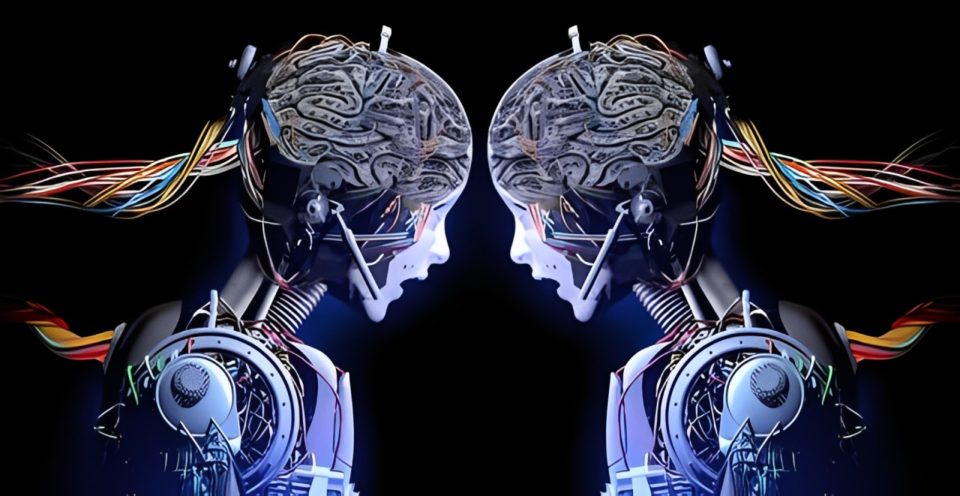
As technology continues to advance at a rapid pace, generative artificial intelligence (AI) has emerged as a powerful tool in various fields, including mental health and therapy. One of the most innovative applications of this technology is role-playing, where users engage in simulated scenarios with AI characters. This article explores the therapeutic value of generative AI role-playing and how it can enhance emotional well-being, foster self-discovery, and provide a safe space for exploration.
Creating Safe Spaces for Exploration
One of the primary benefits of generative AI role-playing is its ability to create safe environments for individuals to explore complex emotions and situations. In traditional therapy settings, discussing sensitive topics can be daunting. However, by interacting with AI characters, users can navigate challenging scenarios without fear of judgment. This safe space allows individuals to express themselves freely, making it easier to confront feelings they may find difficult to articulate in real life.
Enhancing Emotional Intelligence
Role-playing with generative AI can significantly enhance emotional intelligence. By engaging in various scenarios, users can practice recognizing and responding to different emotional cues. For example, they might role-play a conflict resolution scenario where they must navigate their emotions and those of others involved. This practice fosters empathy and understanding, enabling users to develop better interpersonal skills and navigate real-world relationships more effectively.
Facilitating Self-Discovery
Generative AI role-playing serves as a powerful tool for self-discovery. Through simulated experiences, individuals can explore different aspects of their personality, test out new behaviors, and reflect on their choices. This process of experimentation can lead to greater self-awareness and insight into personal values and goals. By stepping into various roles, users can gain a deeper understanding of their motivations and desires, paving the way for personal growth.
Offering Cognitive Behavioral Therapy (CBT) Techniques
Many mental health professionals utilize cognitive-behavioral therapy (CBT) techniques to help clients challenge negative thought patterns and behaviors. Generative AI can facilitate this process through role-playing exercises that simulate real-life situations. For instance, an individual might practice reframing negative thoughts during a conversation with an AI character, learning to identify cognitive distortions and replace them with healthier perspectives. This interactive approach can reinforce therapeutic concepts and help users develop valuable coping strategies.
Reducing Anxiety and Stress
Generative AI role-playing can also serve as an effective tool for anxiety and stress reduction. By allowing individuals to confront fears and anxieties in a controlled environment, users can practice relaxation techniques and coping mechanisms. For example, someone dealing with social anxiety can role-play a conversation with an AI character, helping them build confidence and prepare for real-life interactions. This gradual exposure can reduce feelings of apprehension and empower individuals to face challenging situations with greater resilience.
Expanding Access to Mental Health Resources
As access to mental health care remains a pressing issue, generative AI role-playing offers an innovative solution. AI-driven platforms can provide therapeutic experiences to those who may not have access to traditional therapy due to geographical, financial, or social barriers. This technology can democratize mental health support, making it more accessible to a wider audience while complementing existing therapeutic practices.
Conclusion
The therapeutic value of generative AI role-playing is a promising frontier in the mental health landscape. By providing safe spaces for exploration, enhancing emotional intelligence, facilitating self-discovery, and offering techniques grounded in cognitive-behavioral therapy, AI role-playing can empower individuals on their journey toward improved emotional well-being. As technology continues to evolve, it is crucial for mental health professionals to embrace innovative tools that enhance therapeutic practices and expand access to mental health resources. The potential benefits of generative AI in this realm are vast, opening new avenues for healing and personal growth.
