
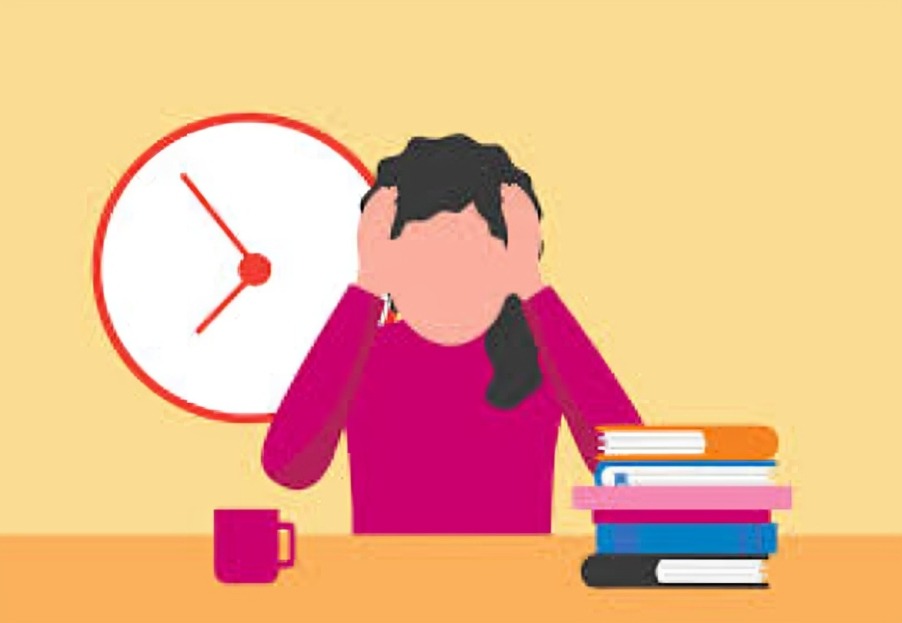
Anxiety can feel overwhelming, like a wave crashing over you with no warning. Your heart races, your thoughts spiral, and suddenly even small tasks seem impossible. In a world that constantly demands our attention, it’s easy to feel like you’re always on edge. But here’s the truth that often gets lost in the noise: you don’t need a perfect plan to start healing—you just need one simple step.
Start With This: Focus on Your Breath
It might sound too basic, too easy to matter. But the simplest way to start easing your anxiety is by returning to your breath.
Anxiety pulls you into the future—into what-ifs, worst-case scenarios, and overwhelming unknowns. Your breath, however, pulls you into the present, where things are quieter, slower, and far more manageable.
Why Breathing Works
When you’re anxious, your nervous system kicks into “fight or flight” mode. Your body thinks you’re in danger, and it reacts accordingly: shallow breaths, racing heart, tense muscles.
Slow, intentional breathing activates the parasympathetic nervous system, also known as the “rest and digest” system. It tells your body, “You’re safe now.” Even if your mind hasn’t caught up yet, your body starts to believe it.
And when your body feels safe, your thoughts start to slow down too.
Try This: The 4-7-8 Method
Here’s one of the simplest and most effective breathing techniques you can try anywhere:
- Inhale through your nose for 4 seconds.
- Hold your breath for 7 seconds.
- Exhale slowly through your mouth for 8 seconds.
- Repeat for 3–4 cycles.
It might feel strange at first. But after just a few rounds, you’ll notice your body start to release tension. Your shoulders drop. Your chest feels lighter. Your racing mind starts to settle.
A Small Step That Builds Momentum
You don’t need to fix everything at once. The beauty of breathwork is that it’s simple, free, and always available. It’s a small act of self-care that you can do anytime, anywhere—whether you’re in traffic, lying in bed, or about to walk into a stressful situation.
And once you experience that brief moment of calm, it creates space—space for clarity, space for better choices, space for peace.
From that small shift, you can build more:
- A short walk.
- A journaling session.
- A supportive conversation.
- A better night’s sleep.
It all starts with the breath.
Conclusion
Anxiety doesn’t disappear overnight. It doesn’t need to.
What matters is that you begin.
Your breath is your anchor—your most reliable tool for grounding yourself when the world feels like it’s spinning too fast. You don’t need a therapist on speed dial, a full yoga routine, or a library of self-help books to start. Those things can come later.
For now, just breathe.Inhale. Hold. Exhale.One calm moment at a time.
