
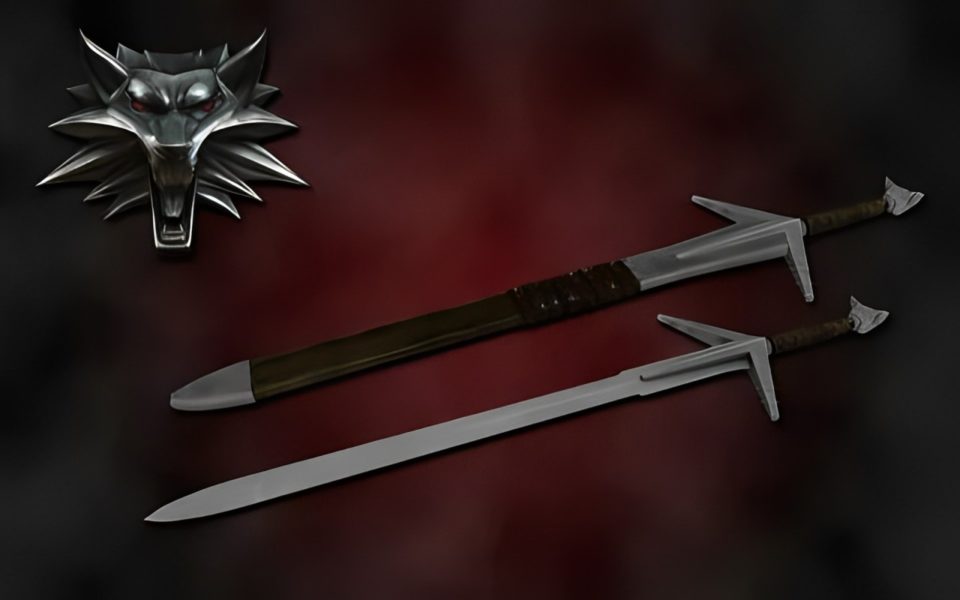
The allure of silver swords is deeply embedded in folklore, literature, and pop culture. From tales of slaying werewolves and vampires to modern fantasy games, silver swords are portrayed as potent weapons against mythical creatures. But is it actually possible to craft a viable silver sword in reality? Would it be practical or even effective as a weapon? Let’s explore the metallurgical, historical, and practical aspects of creating a silver sword.
The Mythical Appeal of Silver Swords
Silver has long been associated with the supernatural. In various myths and legends, silver is believed to have purifying properties and the ability to repel or harm creatures of the night, such as vampires, werewolves, and other malevolent beings. This belief has been reinforced by numerous books, movies, and games, making the silver sword a symbol of power against evil. However, beyond the mystique and symbolism, the practicality of a silver sword as a weapon raises several questions.
The Properties of Silver
To understand the viability of a silver sword, we first need to consider the properties of silver as a metal:
Softness: Silver is a relatively soft metal. On the Mohs hardness scale, which measures the hardness of minerals, silver ranks at around 2.5 to 3. For comparison, steel, which is commonly used in sword-making, has a hardness of around 4 to 8. This softness makes silver malleable and easy to work with, but it also means that it can bend, scratch, or dull easily.
Density: Silver is dense and heavy, with a density of about 10.49 g/cm³. While this gives it a solid feel, it also means that a silver sword would be quite heavy, potentially making it unwieldy compared to swords made from lighter metals like steel.
Durability: The durability of silver is another concern. Due to its softness, a silver sword would likely suffer from significant wear and tear during combat. It would be prone to nicks, dents, and deformation after striking harder objects or other weapons.
Challenges in Crafting a Silver Sword
Given the properties of silver, several challenges arise when considering crafting a viable silver sword:
Structural Integrity: A sword needs to maintain its shape and sharpness during use. Silver’s softness would make it difficult for a silver sword to hold an edge, and it would likely bend or warp under the stress of combat.
Weight and Balance: A sword’s effectiveness depends on its balance and maneuverability. The density of silver would result in a heavy blade, which could be cumbersome and difficult to wield effectively, especially in prolonged combat situations.
Cost: Silver is more expensive than steel. Crafting a sword from silver would be significantly more costly, making it impractical for widespread use, especially when there are more effective and economical materials available.
Potential Solutions and Alternatives
While a pure silver sword may not be practical, there are potential alternatives and solutions that could make use of silver’s properties:
Silver-Plated Swords: One viable alternative is to use a steel core for strength and durability, with a thin layer of silver plating on the surface. This would combine the sharpness and resilience of steel with the aesthetic and symbolic qualities of silver. The silver layer could still provide the purported mystical benefits without compromising the sword’s functionality.
Alloying with Silver: Another possibility is to alloy silver with other metals to improve its hardness and durability. For example, sterling silver, which is an alloy of 92.5% silver and 7.5% other metals (usually copper), is harder than pure silver. While still not as hard as steel, it could potentially offer a balance between hardness and the desirable properties of silver.
Decorative Use: Silver could be used for decorative purposes, such as inlays, engravings, or hilt designs. This would maintain the sword’s combat effectiveness while incorporating silver for its aesthetic appeal and symbolic significance.
Historical and Practical Context
Historically, silver swords are rare, largely due to the practical challenges mentioned above. Most historical swords were made from steel, iron, or bronze, materials that offer a good balance of hardness, flexibility, and durability. However, silver has been used in other aspects of weaponry and armor, such as decorative inlays, ceremonial weapons, and religious artifacts, highlighting its cultural and symbolic importance.
In modern times, silver is more commonly used in jewelry, currency, and electrical applications due to its conductivity and resistance to corrosion. The idea of a silver sword remains largely in the realm of fantasy, where its mystical properties can be fully appreciated without the constraints of practicality.
Conclusion
While the concept of a silver sword is captivating and rich with mythological significance, crafting a viable silver sword poses significant practical challenges. Silver’s softness, weight, and cost make it an impractical choice for a functional weapon. However, through methods like silver plating, alloying, or decorative use, the essence of silver can still be incorporated into sword-making. Ultimately, the allure of silver swords may lie more in the stories they inspire than in their practicality as real-world weapons.
